ChainPatrol
 Web-Check
  SOCRadar
  LeakIX
FBI IC3
Melden Sie internetbasierte Kriminalität in den Vereinigten Staaten
Federal tips line1-800-CALL-FBI

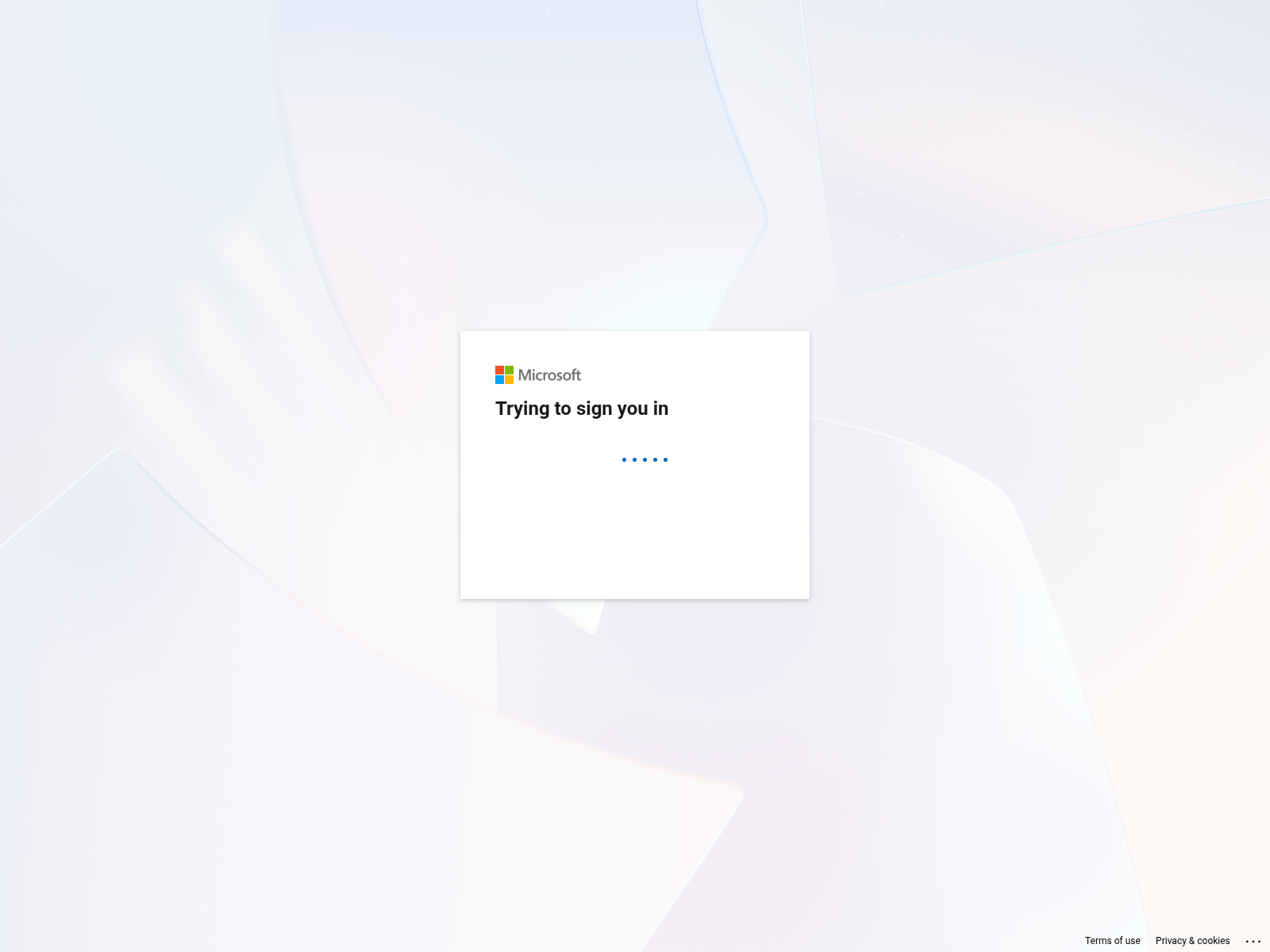
“Sign in to your account”
docx-app-d7624292.azurewebsites.net — Inhalt nicht verfügbar. Markenidentität: Microsoft; Betrugstyp: Tech Support Scam. Zusammenfassung der Beweislage: VirusTotal 20 detections (engine total unavailable) (ADMINUSLabs, Criminal IP, alphaMountain.ai, BitDefender, Chong Lua Dao); URLQuery 2 alerts; URLScan malicious verdict; Google Safe Browsing flagged; PhishDestroy score 100/100. Registrar: Microsoft.
Die ausführliche Analyse von PhishDestroy AI bleibt auf Englisch, damit der ursprüngliche forensische Bericht unverändert bleibt.
This domain, docx-app-d7624292.azurewebsites.net, poses a high-risk credential theft threat through Microsoft brand impersonation. The site mimics legitimate Microsoft login portals, displaying the page title 'Sign in to your account' to deceive users into entering sensitive authentication credentials. Infrastructure analysis confirms the domain is designed to harvest usernames, passwords, and potentially multi-factor authentication tokens, which could lead to unauthorized account access, data exfiltration, or further lateral movement within compromised environments.
Evidence supporting this assessment includes detection by 20 out of 95 security vendors on VirusTotal, classification as phishing by Google Safe Browsing, and presence on one security blocklist. The domain was registered through Microsoft on March 14, 2026, an anomalous future date suggesting potential domain spoofing or registry manipulation. It resolves to IP address 20.208.5.128 within AS8075 (Microsoft Corporation), and uses a valid SSL certificate issued by Microsoft Azure RSA TLS Issuing CA 07, further enhancing its appearance of legitimacy. The domain's hosting on azurewebsites.net infrastructure, combined with the Microsoft-branded certificate, indicates a calculated effort to bypass initial suspicion.
Users who visited this domain should immediately revoke any entered credentials, particularly Microsoft account passwords and associated authentication tokens. Enable multi-factor authentication on all accounts if not already active, and monitor for unauthorized access attempts or suspicious activity. Network administrators should block the domain and its resolving IP (20.208.5.128) at the perimeter, and review logs for connections to docx-app-d7624292.azurewebsites.net or the seed identifier a8aa14. Given the domain's current offline status, organizations should remain vigilant for similar impersonation attempts leveraging Microsoft Azure hosting infrastructure or future-dated domain registrations.


Fast, small JavaScript library simplifying HTML manipulation, event handling, and Ajax.
Google PageSpeed Insights — mobile performance audit of docx-app-d7624292.azurewebsites.net · checked Mar 14, 2026
PD-20260314-69E2CB Recipient: abuse@microsoft.com Wenn Sie Kontoanmeldeinformationen, persönliche oder Zahlungsinformationen eingegeben oder eine Datei von dieser Domain heruntergeladen haben, ergreifen Sie sofort Maßnahmen. Nachfolgend finden Sie Ressourcen, die Ihnen helfen, den Vorfall zu melden und sich zu schützen.


Wählen Sie Ihr Land aus, um Offizielle Kontakte im Bereich Cyberkriminalität oder einen Beschwerdeentwurf erstellen → zu erhalten.
Diese Ursprungs-IP hostet mehrere Phishing-Domänen – die Infrastruktur kann kampagnenübergreifend gemeinsam genutzt werden.
These domains also target Microsoft users. View all Microsoft threats →
Kürzlich hinzugefügte Berichte aus der PhishDestroy-Datenbank. Diese Discovery-Links implizieren keine gemeinsame Nutzung der Infrastruktur oder des Eigentums.
Bedrohungsanalyse anhand gespeicherter Blocklisten, WHOIS, DNS und öffentlicher Scan-Beweise
Jetzt scannenMelden Sie verdächtige Domains an unsere Bedrohungsdatenbank – schützen Sie die Community
MeldenAktuelle Phishing-Meldungen und beobachtete Verfügbarkeitsänderungen
ÜberwachenBeobachten Sie aktuelle Bedrohungen oder legen Sie Widerspruch gegen diesen Eintrag ein, wenn Sie der Meinung sind, dass es sich um einen Fehlalarm handelt
 werdmountbank.com