
 ChainPatrol
 Web-Check
  SOCRadar
  LeakIX
FBI IC3
Melden Sie internetbasierte Kriminalität in den Vereinigten Staaten
Federal tips line1-800-CALL-FBI

“Google”
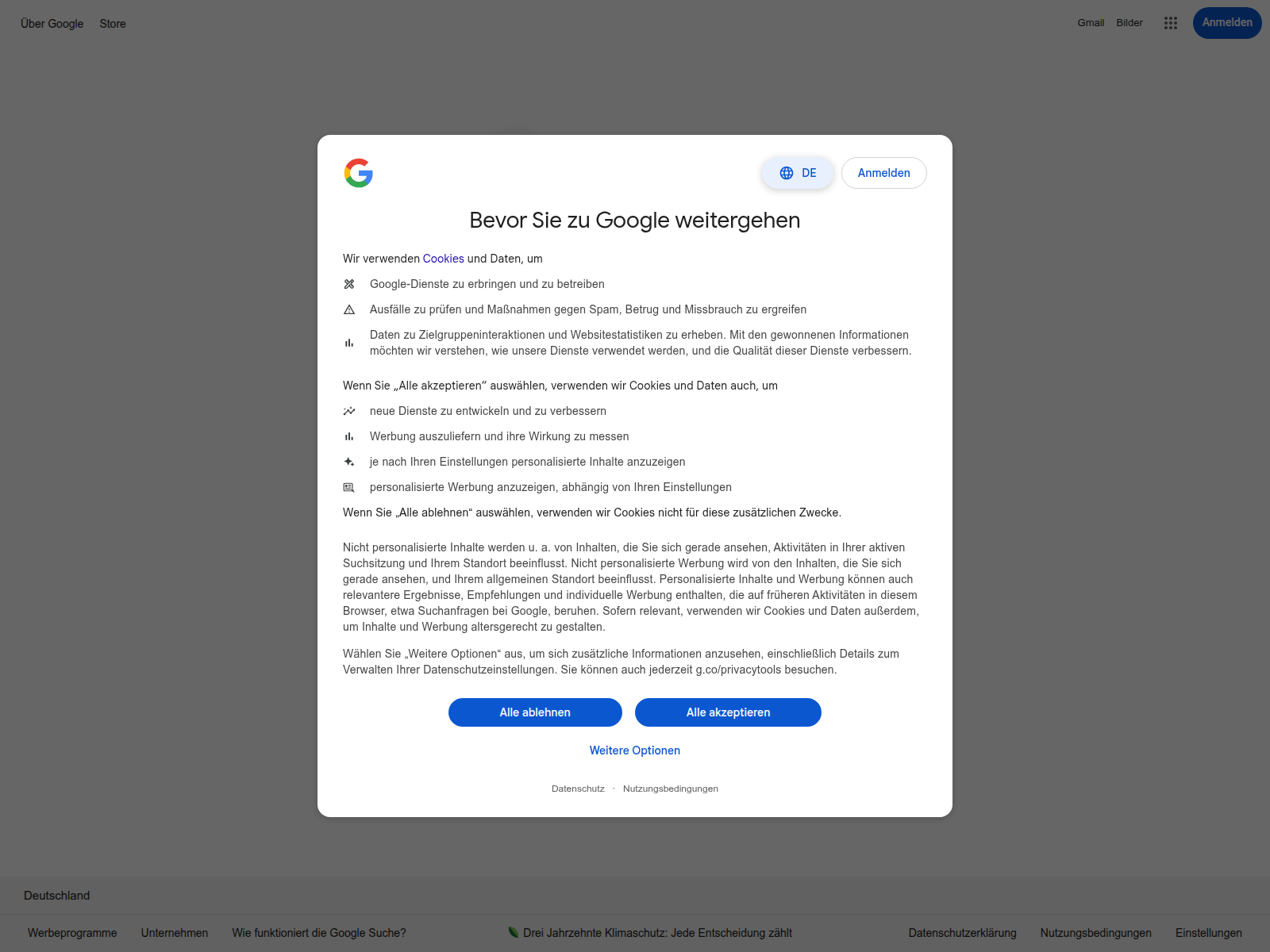
cwyovcg505ovqm8bxujq6n4t.pages.dev — Nicht bestätigt. Markenidentität: Google; Betrugstyp: Credential Phishing. Zusammenfassung der Beweislage: VirusTotal 3/91 (ChainPatrol, alphaMountain.ai, LevelBlue); PhishDestroy score 76/100. Registrar: Cloudflare.
Die ausführliche Analyse von PhishDestroy AI bleibt auf Englisch, damit der ursprüngliche forensische Bericht unverändert bleibt.
This domain is flagged as a high-risk brand impersonation threat targeting Gmail users. Analysis indicates the infrastructure is designed to harvest authentication credentials through a visually convincing replica of the legitimate login interface, as evidenced by the page title 'Google' and the use of a Google Trust Services SSL certificate (WE1). Infrastructure analysis reveals the domain cwyovcg505ovqm8bxujq6n4t.pages.dev was registered through Cloudflare, Inc. on November 20, 2025. It resolves to the IP address 142.250.186.132, geolocated to the United States under AS15169 (Google LLC), which may contribute to its deceptive appearance. Detection metrics show limited but concerning coverage, with 3 out of 95 security vendors flagging the domain on VirusTotal. The domain appears on one security blocklist and is actively blocked by at least one threat intelligence feed. The SSL certificate, issued by Google Trust Services, further enhances the illusion of legitimacy, increasing the likelihood of successful phishing attempts. Mitigation against this credential theft campaign requires multi-layered defenses. Network-level protections should include blocking the domain and its resolving IP (142.250.186.132) at firewalls and DNS filters. Endpoint security measures must prioritize real-time detection of brand impersonation attempts, particularly those mimicking Google's login pages. User awareness training should emphasize verifying domain authenticity, even when SSL certificates and page titles appear legitimate. Organizations are advised to implement multi-factor authentication and monitor for anomalous login attempts, as compromised credentials from this campaign may lead to unauthorized account access or lateral movement within networks.

 (US)
Mountain View, US
(US)
Mountain View, USHTTP Strict Transport Security — forces browsers to use HTTPS connections only.
Third major version of HTTP protocol, built on QUIC for faster, more reliable connections.
Google PageSpeed Insights — mobile performance audit of cwyovcg505ovqm8bxujq6n4t.pages.dev · checked Mar 6, 2026
Wenn Sie Kontoanmeldeinformationen, persönliche oder Zahlungsinformationen eingegeben oder eine Datei von dieser Domain heruntergeladen haben, ergreifen Sie sofort Maßnahmen. Nachfolgend finden Sie Ressourcen, die Ihnen helfen, den Vorfall zu melden und sich zu schützen.


Wählen Sie Ihr Land aus, um Offizielle Kontakte im Bereich Cyberkriminalität oder einen Beschwerdeentwurf erstellen → zu erhalten.
Diese Berichte werden auf dieselbe gemeinsame Edge-IP aufgelöst. Sie helfen bei der Berichtserkennung, bedeuten jedoch keinen gemeinsamen Besitz oder einen gemeinsamen Ursprungsserver.
These domains also target Google users. View all Google threats →
Kürzlich hinzugefügte Berichte aus der PhishDestroy-Datenbank. Diese Discovery-Links implizieren keine gemeinsame Nutzung der Infrastruktur oder des Eigentums.
Bedrohungsanalyse anhand gespeicherter Blocklisten, WHOIS, DNS und öffentlicher Scan-Beweise
Jetzt scannenMelden Sie verdächtige Domains an unsere Bedrohungsdatenbank – schützen Sie die Community
MeldenAktuelle Phishing-Meldungen und beobachtete Verfügbarkeitsänderungen
ÜberwachenBeobachten Sie aktuelle Bedrohungen oder legen Sie Widerspruch gegen diesen Eintrag ein, wenn Sie der Meinung sind, dass es sich um einen Fehlalarm handelt
 tzr-4fgge.iris42.workers.dev
  20.rewardingmyself.com
  spcx47p.xyz
  web-api.pro
  mars24pazjige72veied4awxfb6gtkjauij7qkofveula8gc6fljy8qd.icu
  ledger-com-portfolio.cc