 ChainPatrol
 Web-Check
  SOCRadar
  LeakIX
FBI IC3
Melden Sie internetbasierte Kriminalität in den Vereinigten Staaten
Federal tips line1-800-CALL-FBI
The sent-report ledger records the first outgoing report at .
The recorded recipient is network-abuse@google.com.
The latest stored availability evidence still shows the domain reachable; 6 months has elapsed since the first outgoing report.
ICANN RAA §3.18 describes registrar abuse-contact and handling obligations. This section records outgoing timestamps, listed recipients, case identifiers, and later availability. It does not by itself prove receipt, acknowledgement, investigation, remediation, or contractual non-compliance.

“Blog not found”
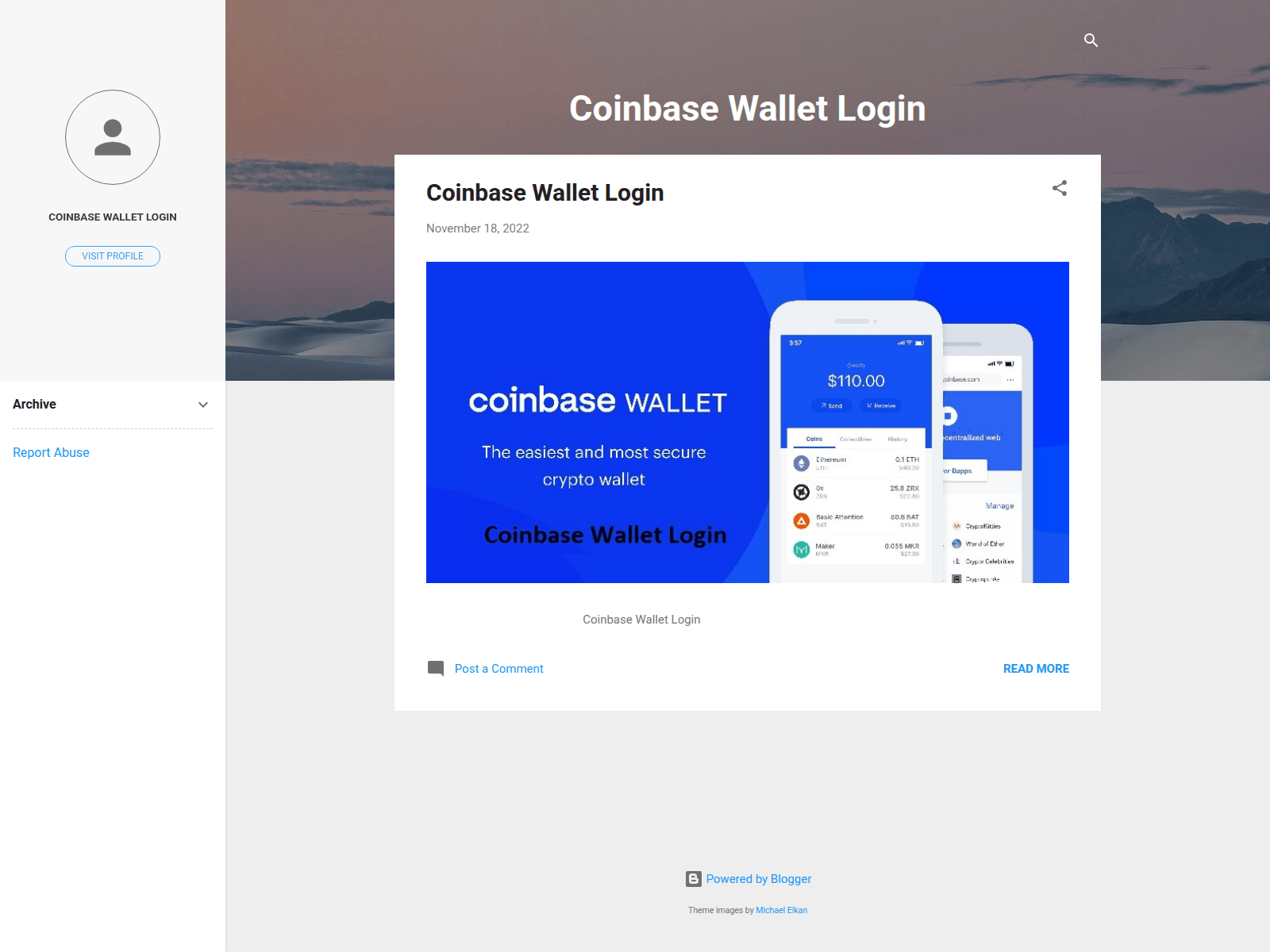
coinbase-wallet-login-to.blogspot.com.au — Nicht bestätigt. Markenidentität: Coinbase; Betrugstyp: Crypto Scam. Zusammenfassung der Beweislage: VirusTotal 10/91 (ADMINUSLabs, alphaMountain.ai, BitDefender, Chong Lua Dao, CyRadar); URLQuery 3 alerts; PhishDestroy score 80/100. Registrar: MarkMonitor.
Die ausführliche Analyse von PhishDestroy AI bleibt auf Englisch, damit der ursprüngliche forensische Bericht unverändert bleibt.
This domain, coinbase-wallet-login-to.blogspot.com.au, poses a significant threat as a brand impersonation site targeting the cryptocurrency platform Coinbase. The domain is designed to trick users into believing they are interacting with a legitimate Coinbase service, potentially leading to credential theft or financial loss.
Analysis indicates that this domain was created on February 21, 2026, and is registered through MarkMonitor, Inc. The domain resolves to the IP address 142.251.141.97, which is located in the United States and belongs to AS15169 Google LLC. The SSL certificate is issued by Google Trust Services / WE2. The domain has been flagged by 10 out of 95 security vendors on VirusTotal, and it appears on 3 security blocklists, including PhishDestroy, MetaMask, and SEAL. The current status of the domain is offline, with the page title displaying 'Blog not found'.
If a user has visited this domain, it is crucial to take immediate action to mitigate potential risks. First, change any passwords used on the site, especially those associated with cryptocurrency wallets or financial accounts. Monitor account activity for any unauthorized transactions. Additionally, report the incident to the respective service provider and consider enabling two-factor authentication for added security. It is also recommended to run a full system scan using trusted antivirus software to ensure no malware was installed. Users should remain vigilant and verify the legitimacy of any website before entering sensitive information.

 (US)
(US)
Third major version of HTTP protocol, built on QUIC for faster, more reliable connections.
PD-20260125-E3994F Recipient: network-abuse@google.com Wenn Sie Kontoanmeldeinformationen, persönliche oder Zahlungsinformationen eingegeben oder eine Datei von dieser Domain heruntergeladen haben, ergreifen Sie sofort Maßnahmen. Nachfolgend finden Sie Ressourcen, die Ihnen helfen, den Vorfall zu melden und sich zu schützen.


Wählen Sie Ihr Land aus, um Offizielle Kontakte im Bereich Cyberkriminalität oder einen Beschwerdeentwurf erstellen → zu erhalten.
Diese Ursprungs-IP hostet mehrere Phishing-Domänen – die Infrastruktur kann kampagnenübergreifend gemeinsam genutzt werden.
These domains also target Coinbase users. View all Coinbase threats →
Kürzlich hinzugefügte Berichte aus der PhishDestroy-Datenbank. Diese Discovery-Links implizieren keine gemeinsame Nutzung der Infrastruktur oder des Eigentums.
Bedrohungsanalyse anhand gespeicherter Blocklisten, WHOIS, DNS und öffentlicher Scan-Beweise
Jetzt scannenMelden Sie verdächtige Domains an unsere Bedrohungsdatenbank – schützen Sie die Community
MeldenAktuelle Phishing-Meldungen und beobachtete Verfügbarkeitsänderungen
ÜberwachenBeobachten Sie aktuelle Bedrohungen oder legen Sie Widerspruch gegen diesen Eintrag ein, wenn Sie der Meinung sind, dass es sich um einen Fehlalarm handelt


 rn-facebook.blogspot.com
  ruxbl66.blogspot.com
  facebook-login-facebook.blogspot.com
  situs-undian2021.blogspot.com
  list-serve.com
  urlwatch.com
  649715-coinbase.com
  securitycheck-coinbase.com
  swiftgatelogs.com