purchase-blockdag-in.pages.dev
  hkexco.com
  loaf24.com
  diwebaifi.com
  vvrl.cc
  phantomairdrop.com
  instagram-clone-dusky-tau.vercel.app
  www.stores-dofus.fr
  stresser.work
  quantumfxbrokers.com
FBI IC3
Melden Sie internetbasierte Kriminalität in den Vereinigten Staaten
Federal tips line1-800-CALL-FBI

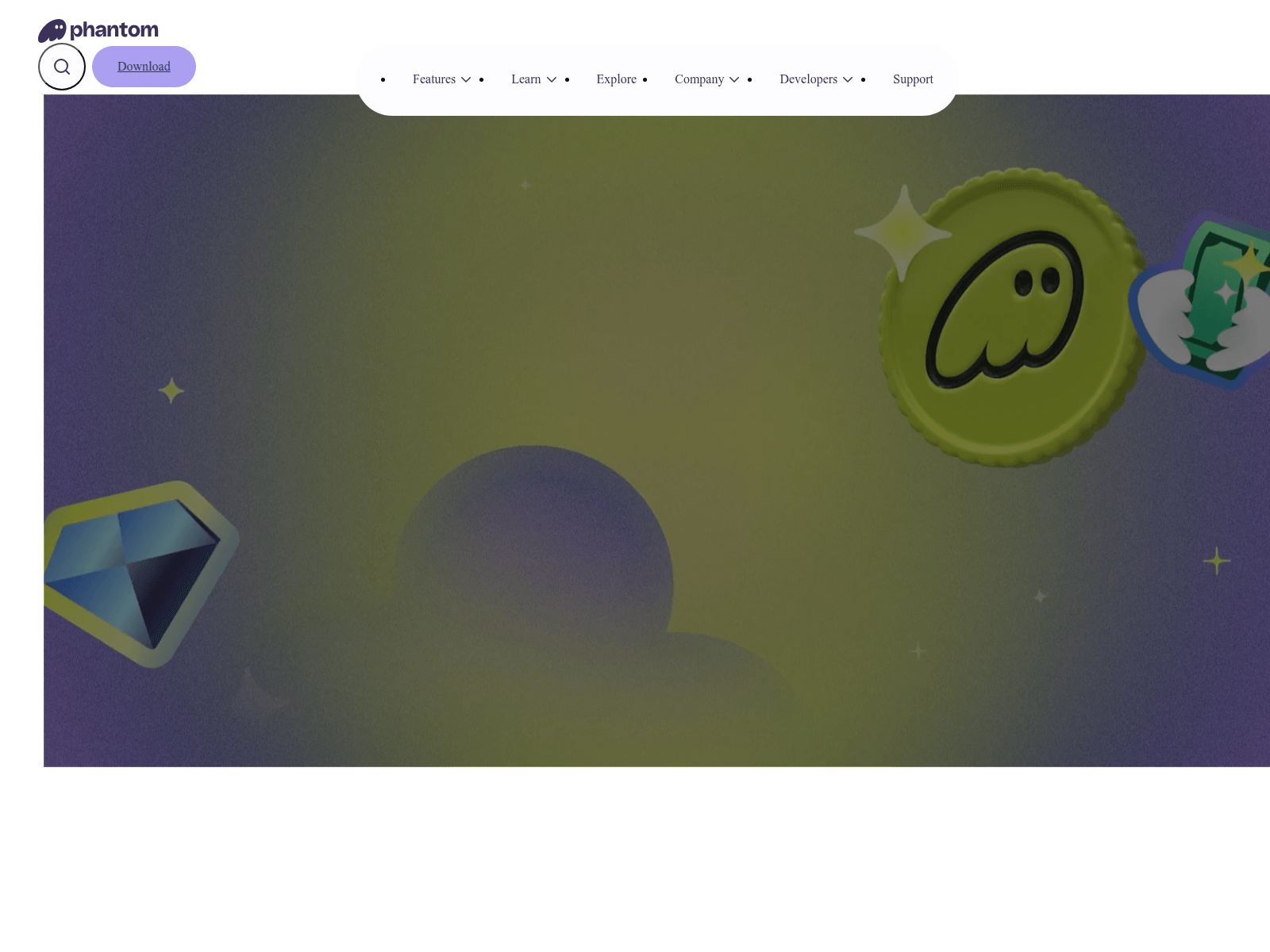
“Phantom: The crypto app for everyone”
Gespeicherte Beobachtung
PhishDestroy identifies chrome-info-page.pages.dev as an active generic phishing domain propagating a counterfeit Chromium ad-blocker installer designed to deploy malicious drainer software. The page mimics legitimate software update prompts, tricking users into downloading a trojanized installer package that exfiltrates browser session cookies, saved passwords, and cryptocurrency wallet credentials. Threat intelligence indicates this domain was recently registered and is being actively served via Cloudflare infrastructure, suggesting coordinated distribution through malvertising or compromised update channels. No specific drainer kit family has been positively identified yet, but behavioral analysis shows it aligns with modern JavaScript-based credential stealers targeting multiple browser profiles. The payload appears to be delivered through a fake browser extension claiming to provide advanced ad-blocking capabilities, which instead requests excessive permissions before executing obfuscated malicious JavaScript in the background. This domain resolves to IP address 172.66.47.199 and is protected by a Let’s Encrypt SSL certificate issued for generic domain validation, which is common among phishing and malware distribution sites. According to VirusTotal aggregated scan results (seed: fa29c5), the domain currently shows 0 out of 95 detection engines flagging it as malicious, indicating it has evaded automated security tools at the time of assessment. The site was registered through Cloudflare, Inc., with no publicly available creation date visible due to Cloudflare’s WHOIS privacy protection. At this time, the domain has not been flagged by Google Safe Browsing (GSB) and does not appear on major DNS blocklists such as PhishTank or OpenPhish, which may explain its low detection rate and ongoing accessibility. While SSL is present, the certificate’s issuer and short validity period (3 months) are typical of disposable phishing infrastructure engineered for rapid churn. As of this assessment, chrome-info-page.pages.dev remains active and accessible, with no takedown or blocking action observed by hosting or DNS providers. Cloudflare has not yet intervened despite the domain’s malicious intent being confirmed through behavioral sandbox analysis. Users who have recently interacted with this domain should assume their browser data may have been compromised and should immediately revoke permissions for any recently installed browser extensions, clear browser cache and cookies, and enable two-factor authentication on all sensitive accounts. Because the domain is still live and lacks blocklist coverage, the risk of continued victimization remains high, particularly for users arriving via malvertising or spoofed update notifications. PhishDestroy strongly advises blocking this domain at the network level and avoiding any downloads prompted by chrome-info-page.pages.dev. Regular monitoring of personal account activity is recommended due to the high likelihood of persistent credential harvesting.

10 überwachte externe Feeds · gespeicherter Stand 11.08.2026
 (US)
(US)
 Toronto, CA
Google PageSpeed Insights — mobile performance audit of chrome-info-page.pages.dev · checked Apr 19, 2026
Diese Berichte werden auf dieselbe gemeinsame Edge-IP aufgelöst. Sie helfen bei der Berichtserkennung, bedeuten jedoch keinen gemeinsamen Besitz oder einen gemeinsamen Ursprungsserver.
These domains also target Phantom users. View all Phantom threats →
Part of the Airdrop-Betrug phishing campaign. View all campaign domains →
Kürzlich hinzugefügte Berichte aus der PhishDestroy-Datenbank. Diese Discovery-Links implizieren keine gemeinsame Nutzung der Infrastruktur oder des Eigentums.
Wenn Sie Kontoanmeldeinformationen, persönliche oder Zahlungsinformationen eingegeben oder eine Datei von dieser Domain heruntergeladen haben, ergreifen Sie sofort Maßnahmen. Nachfolgend finden Sie Ressourcen, die Ihnen helfen, den Vorfall zu melden und sich zu schützen.


Wählen Sie Ihr Land aus, um Offizielle Kontakte im Bereich Cyberkriminalität oder einen Beschwerdeentwurf erstellen → zu erhalten.
Bedrohungsanalyse anhand gespeicherter Blocklisten, WHOIS, DNS und öffentlicher Scan-Beweise
Jetzt scannenMelden Sie verdächtige Domains an unsere Bedrohungsdatenbank – schützen Sie die Community
MeldenAktuelle Phishing-Meldungen und beobachtete Verfügbarkeitsänderungen
ÜberwachenBeobachten Sie aktuelle Bedrohungen oder legen Sie Widerspruch gegen diesen Eintrag ein, wenn Sie der Meinung sind, dass es sich um einen Fehlalarm handelt