 ChainPatrol
 Web-Check
  SOCRadar
  LeakIX
FBI IC3
Melden Sie internetbasierte Kriminalität in den Vereinigten Staaten
Federal tips line1-800-CALL-FBI

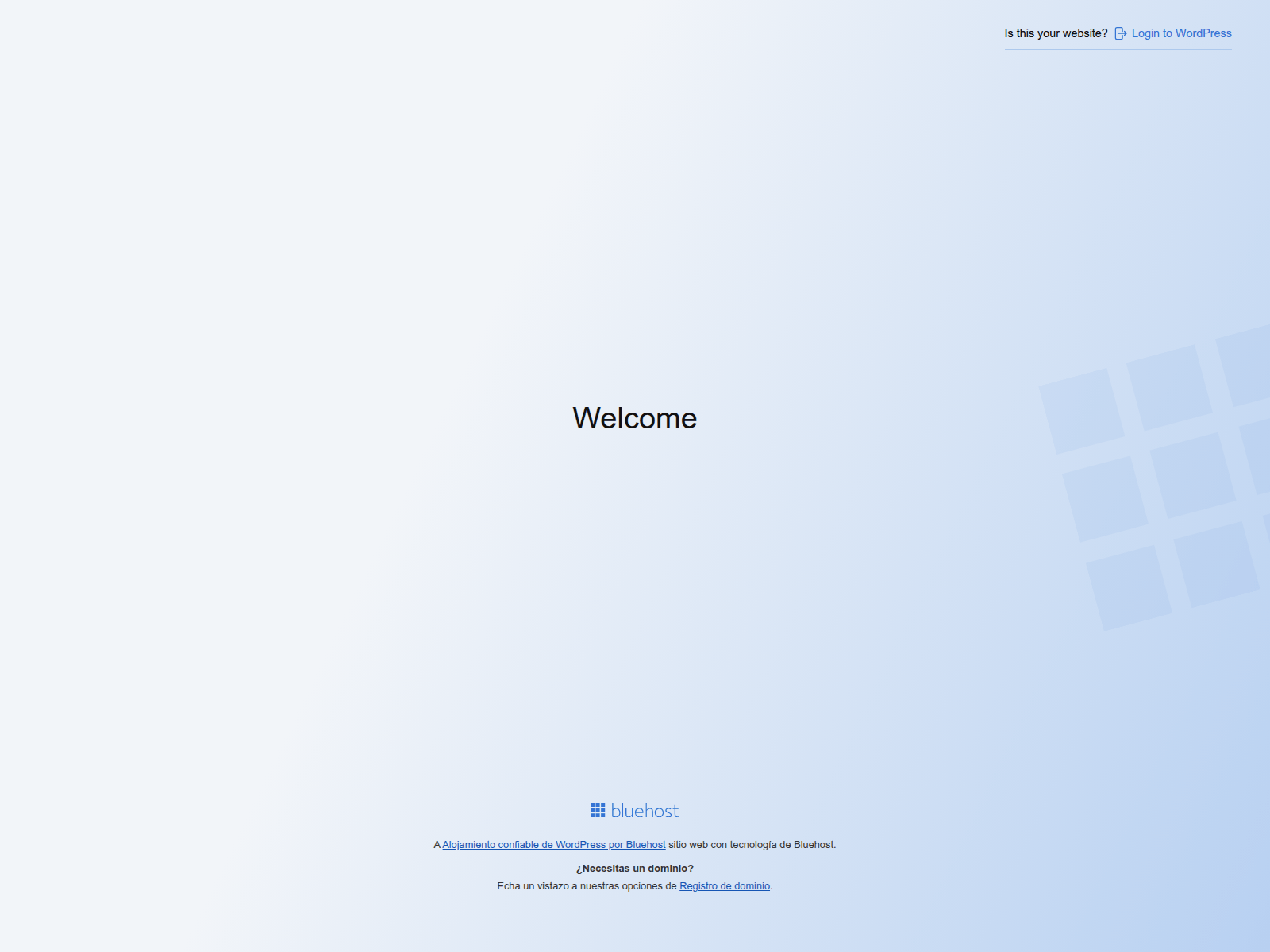
“Welcome — Próximamente”
cgl.iwp.mybluehost.me — Nicht bestätigt. Zusammenfassung der Beweislage: VirusTotal 6/91 (alphaMountain.ai, Chong Lua Dao, Emsisoft, Gridinsoft, LevelBlue); CF Radar malicious; PhishDestroy score 78/100. Registrar: Domain.com - Network S….
Die ausführliche Analyse von PhishDestroy AI bleibt auf Englisch, damit der ursprüngliche forensische Bericht unverändert bleibt.
cgl.iwp.mybluehost.me is currently active and has been classified as a generic phishing site. The domain was registered on October 05 2016 through Domain.com – Network Solutions, LLC and is hosted on the MyBluehost infrastructure, using the authoritative nameservers ns1.mybluehost.me and ns2.mybluehost.me. DNS resolution points to the IPv4 address 69.6.192.12, which belongs to an Oracle Corporation network (AS31898) located in Spain. The server presents a Sectigo Limited‑issued DV certificate (Sectigo Public Server Authentication CA R36), indicating that TLS is enabled but offering no additional trust.
HTTP requests receive a 302 redirect response, a common technique used to forward victims to malicious payloads or credential‑harvesting pages. The public page title returned by the web server is “Welcome — Próximamente”, and no further content has been collected, leaving the exact phishing landing page unknown. Threat intelligence sources have placed the domain on a single security blocklist and it is explicitly blocked by the PhishDestroy service. VirusTotal analysis reports that 8 of 93 scanned security vendors flag the domain as malicious, reinforcing the suspicion of phishing activity.
The limited number of blocklist appearances suggests that the infrastructure may be newly repurposed or that detection coverage is still expanding. Defenders should consider immediate network‑level blocking of the domain and its resolved IP address, enforce TLS inspection to capture any redirected traffic, and monitor for new sub‑domains under the same registrar and nameserver pair. Continuous re‑scanning with multi‑vendor engines is advised to detect any changes in the detection ratio. Because the underlying content has not been fully enumerated, threat hunters should collect the actual response payloads after following the 302 redirect to confirm the credential‑stealing mechanism and to enrich detection signatures.

 (US)
(US)

Wenn Sie Kontoanmeldeinformationen, persönliche oder Zahlungsinformationen eingegeben oder eine Datei von dieser Domain heruntergeladen haben, ergreifen Sie sofort Maßnahmen. Nachfolgend finden Sie Ressourcen, die Ihnen helfen, den Vorfall zu melden und sich zu schützen.

Wählen Sie Ihr Land aus, um Offizielle Kontakte im Bereich Cyberkriminalität oder einen Beschwerdeentwurf erstellen → zu erhalten.
Diese Ursprungs-IP hostet mehrere Phishing-Domänen – die Infrastruktur kann kampagnenübergreifend gemeinsam genutzt werden.
Kürzlich hinzugefügte Berichte aus der PhishDestroy-Datenbank. Diese Discovery-Links implizieren keine gemeinsame Nutzung der Infrastruktur oder des Eigentums.
Bedrohungsanalyse anhand gespeicherter Blocklisten, WHOIS, DNS und öffentlicher Scan-Beweise
Jetzt scannenMelden Sie verdächtige Domains an unsere Bedrohungsdatenbank – schützen Sie die Community
MeldenAktuelle Phishing-Meldungen und beobachtete Verfügbarkeitsänderungen
ÜberwachenBeobachten Sie aktuelle Bedrohungen oder legen Sie Widerspruch gegen diesen Eintrag ein, wenn Sie der Meinung sind, dass es sich um einen Fehlalarm handelt
 admin-dev.blackuptech.com
  spcx30b.icu
  temuplus.blogspot.com
  mrbeast-gifts.blogspot.com