 ChainPatrol
 Web-Check
  SOCRadar
  LeakIX
FBI IC3
Melden Sie internetbasierte Kriminalität in den Vereinigten Staaten
Federal tips line1-800-CALL-FBI

“Suspected phishing site | Cloudflare”
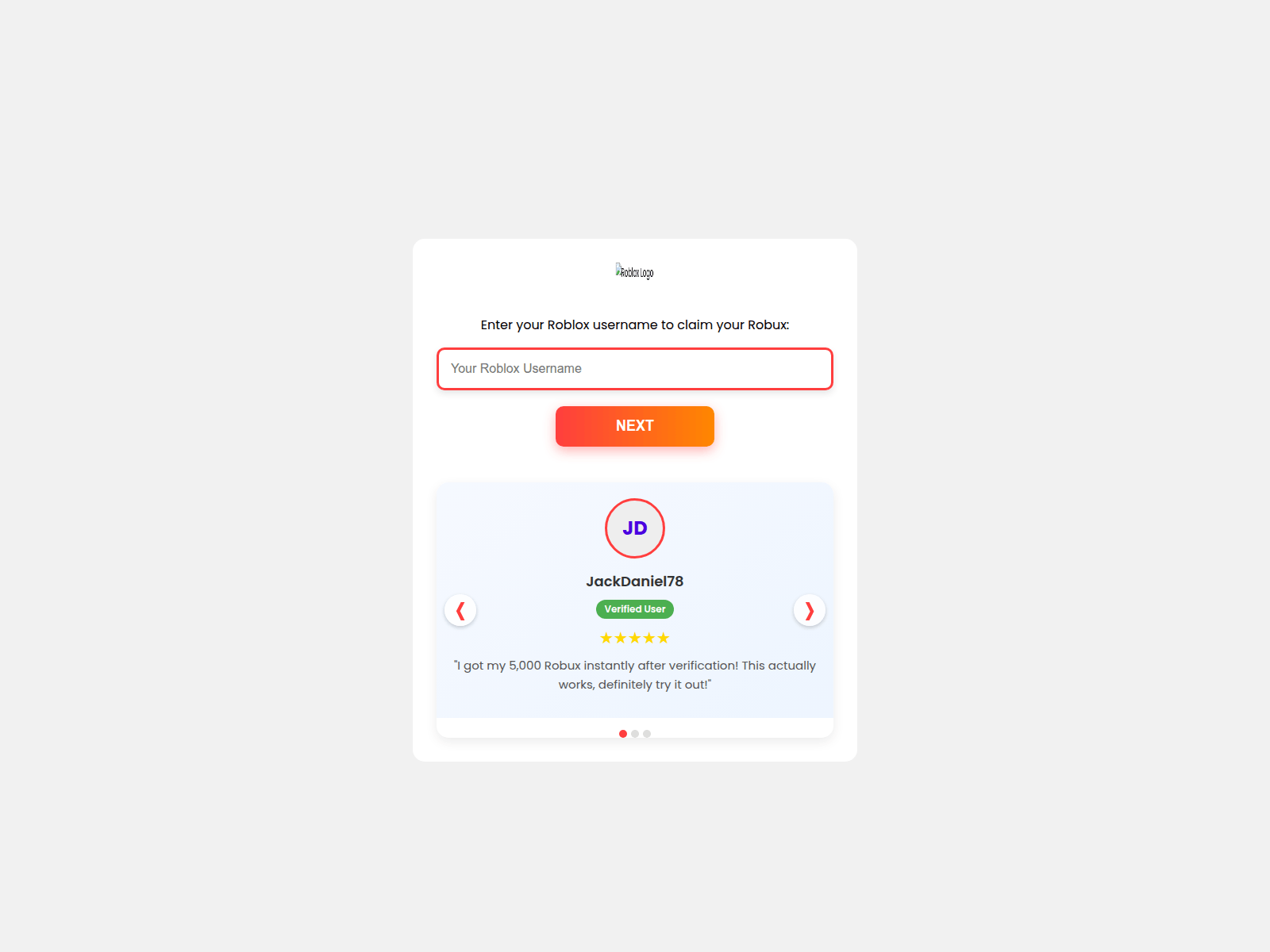
cashoutrewards.roblox-635.workers.dev — Inhalt nicht verfügbar. Betrugstyp: Fake Airdrop. Zusammenfassung der Beweislage: VirusTotal 13/94 (ADMINUSLabs, alphaMountain.ai, CyRadar, Emsisoft, Fortinet); PhishDestroy score 99/100. Registrar: Cloudflare.
Die ausführliche Analyse von PhishDestroy AI bleibt auf Englisch, damit der ursprüngliche forensische Bericht unverändert bleibt.
PhishDestroy identifies cashoutrewards.roblox-635.workers.dev as an active crypto-drainer phishing domain designed to steal cryptocurrency from unsuspecting users by impersonating the official Roblox cashout rewards portal. The site prompts visitors to connect their crypto wallets to allegedly claim rewards, but instead siphons all assets into attacker-controlled addresses. Technical analysis reveals the domain resolves to IP 188.114.97.3, a Cloudflare Worker instance that bypasses traditional hosting scrutiny. The threat combines social engineering with on-chain theft, targeting users familiar with Roblox’s reward ecosystem and leveraging the credibility of the roblox-635.workers.dev subdomain. This domain was flagged under investigation with unique seed d4ad31 after VirusTotal scans returned 0 detections out of 95 engines as of initial analysis. The registrar is Cloudflare, Inc., and the SSL certificate is issued by Let’s Encrypt, which does not imply legitimacy. Public blocklist counts remain unverified due to the site’s recent activation, but the combination of a fresh Cloudflare Worker deployment and zero detections signals high-risk evasion tactics. The infrastructure footprint is minimal and ephemeral, typical of crypto-drainer operations, designed to disappear before security teams can respond. The domain linked to this threat was registered anonymously and is hosted within Cloudflare’s serverless environment, making takedown and traceback efforts significantly more difficult. Users who visited cashoutrewards.roblox-635.workers.dev should immediately disconnect their crypto wallets from any active sessions using the wallet’s built-in disconnect function. Revoke any token approvals granted to unknown or suspicious domains via tools like revoke.cash or Etherscan’s token approval checker. Do not attempt to reconnect or re-enter private keys or seed phrases, even if the site requests it for “verification.” Report this domain to PhishDestroy using the unique seed d4ad31 for inclusion in the global phishing blocklist. Enable hardware wallet signing for additional security and monitor all wallet transactions for unauthorized transfers. Consider using a dedicated browser profile for Web3 interactions and disable auto-connect features where possible.

 (US)
(US)
 Toronto, CA
Google PageSpeed Insights — mobile performance audit of cashoutrewards.roblox-635.workers.dev · checked Apr 6, 2026
Wenn Sie Kontoanmeldeinformationen, persönliche oder Zahlungsinformationen eingegeben oder eine Datei von dieser Domain heruntergeladen haben, ergreifen Sie sofort Maßnahmen. Nachfolgend finden Sie Ressourcen, die Ihnen helfen, den Vorfall zu melden und sich zu schützen.


Wählen Sie Ihr Land aus, um Offizielle Kontakte im Bereich Cyberkriminalität oder einen Beschwerdeentwurf erstellen → zu erhalten.
Diese Berichte werden auf dieselbe gemeinsame Edge-IP aufgelöst. Sie helfen bei der Berichtserkennung, bedeuten jedoch keinen gemeinsamen Besitz oder einen gemeinsamen Ursprungsserver.
Kürzlich hinzugefügte Berichte aus der PhishDestroy-Datenbank. Diese Discovery-Links implizieren keine gemeinsame Nutzung der Infrastruktur oder des Eigentums.
Bedrohungsanalyse anhand gespeicherter Blocklisten, WHOIS, DNS und öffentlicher Scan-Beweise
Jetzt scannenMelden Sie verdächtige Domains an unsere Bedrohungsdatenbank – schützen Sie die Community
MeldenAktuelle Phishing-Meldungen und beobachtete Verfügbarkeitsänderungen
ÜberwachenBeobachten Sie aktuelle Bedrohungen oder legen Sie Widerspruch gegen diesen Eintrag ein, wenn Sie der Meinung sind, dass es sich um einen Fehlalarm handelt
 15.rewardingmyself.com
  accounts-fe50ccd9.jkhjkjk.workers.dev
  zoom-meetings.live
  epiclocker.top
  cnear.com