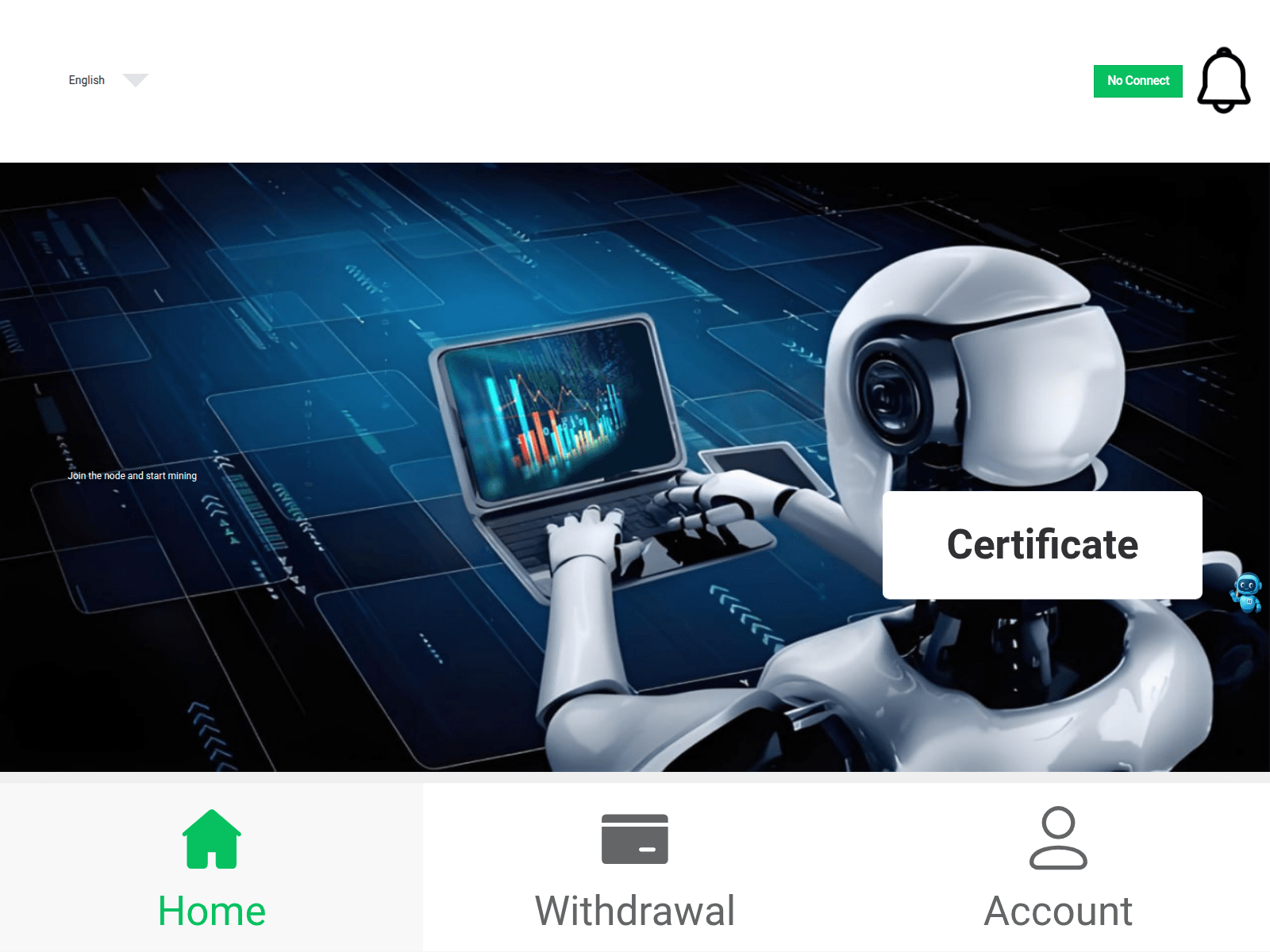
boxessd.us.cc
  invest1.detechbazzar.com
  gmx-appvoting.com
  seasharebox648-e4a23cdf77d2.herokuapp.com
  pumpstreamers.xyz
FBI IC3
Melden Sie internetbasierte Kriminalität in den Vereinigten Staaten
Federal tips line1-800-CALL-FBI
The sent-report ledger records the first outgoing report at . A report was sent to the recorded registrar; contact details remain in Domain Intelligence. The latest stored availability evidence still shows the domain reachable; 4 months has elapsed since the first outgoing report.
ICANN RAA §3.18 describes registrar abuse-contact and handling obligations. This section records outgoing timestamps and later availability. It does not by itself prove receipt, acknowledgement, investigation, remediation, or contractual non-compliance.

The domain bnb-19.cc is a generic phishing site designed to conduct crypto scams, with no specific brand impersonation or drainer kit identified. As of the latest verification, bnb-19.cc has been taken offline, but it previously posed an elevated risk to users by attempting to deceive victims into disclosing sensitive information or transferring cryptocurrency.
Technical indicators confirm the malicious nature of bnb-19.cc. The domain was flagged by 4 of 95 security vendors on VirusTotal, including Forcepoint ThreatSeeker, and appeared on 2 security blocklists (PhishDestroy and ScamSniffer). It was registered through Gname.com Pte. Ltd. on October 12, 2025, and resolved to the IP address 172.67.206.168, hosted by Cloudflare in Canada. The SSL certificate was issued by Google Trust Services (WE1), and the site employed technologies such as Vue.js, Facebook Pixel, and Cloudflare Browser Insights. No page title was observed during analysis.
Users who interacted with bnb-19.cc should take immediate safety steps. If cryptocurrency transactions were attempted, revoke any token approvals and transfer remaining funds to a new wallet. Monitor accounts for unauthorized activity and enable two-factor authentication (2FA) on all financial and crypto-related platforms. Report the domain to relevant authorities, such as the Anti-Phishing Working Group (APWG) or local cybercrime units, and consider submitting the URL to additional blocklists like Google Safe Browsing or PhishTank to prevent further abuse.
PD-20260321-969523
| Detection System | Indicator | Verdict | Alert |
|---|---|---|---|
| DNS4EU | a5y9r.bot77.cc |
malicious | Sinkholed |
10 überwachte externe Feeds · gespeicherter Stand 10.08.2026
0 → 1
 (BR)
(BR)
 Toronto, CA
Google PageSpeed Insights — mobile performance audit of bnb-19.cc · checked Mar 21, 2026
Kürzlich hinzugefügte Berichte aus der PhishDestroy-Datenbank. Diese Discovery-Links implizieren keine gemeinsame Nutzung der Infrastruktur oder des Eigentums.
Wenn Sie Kontoanmeldeinformationen, persönliche oder Zahlungsinformationen eingegeben oder eine Datei von dieser Domain heruntergeladen haben, ergreifen Sie sofort Maßnahmen. Nachfolgend finden Sie Ressourcen, die Ihnen helfen, den Vorfall zu melden und sich zu schützen.

Wählen Sie Ihr Land aus, um Offizielle Kontakte im Bereich Cyberkriminalität oder einen Beschwerdeentwurf erstellen → zu erhalten.
Bedrohungsanalyse anhand gespeicherter Blocklisten, WHOIS, DNS und öffentlicher Scan-Beweise
Jetzt scannenMelden Sie verdächtige Domains an unsere Bedrohungsdatenbank – schützen Sie die Community
MeldenAktuelle Phishing-Meldungen und beobachtete Verfügbarkeitsänderungen
ÜberwachenBeobachten Sie aktuelle Bedrohungen oder legen Sie Widerspruch gegen diesen Eintrag ein, wenn Sie der Meinung sind, dass es sich um einen Fehlalarm handelt