
 ChainPatrol
 Web-Check
  SOCRadar
  LeakIX
FBI IC3
Melden Sie internetbasierte Kriminalität in den Vereinigten Staaten
Federal tips line1-800-CALL-FBI

“bellsouth att sign in”
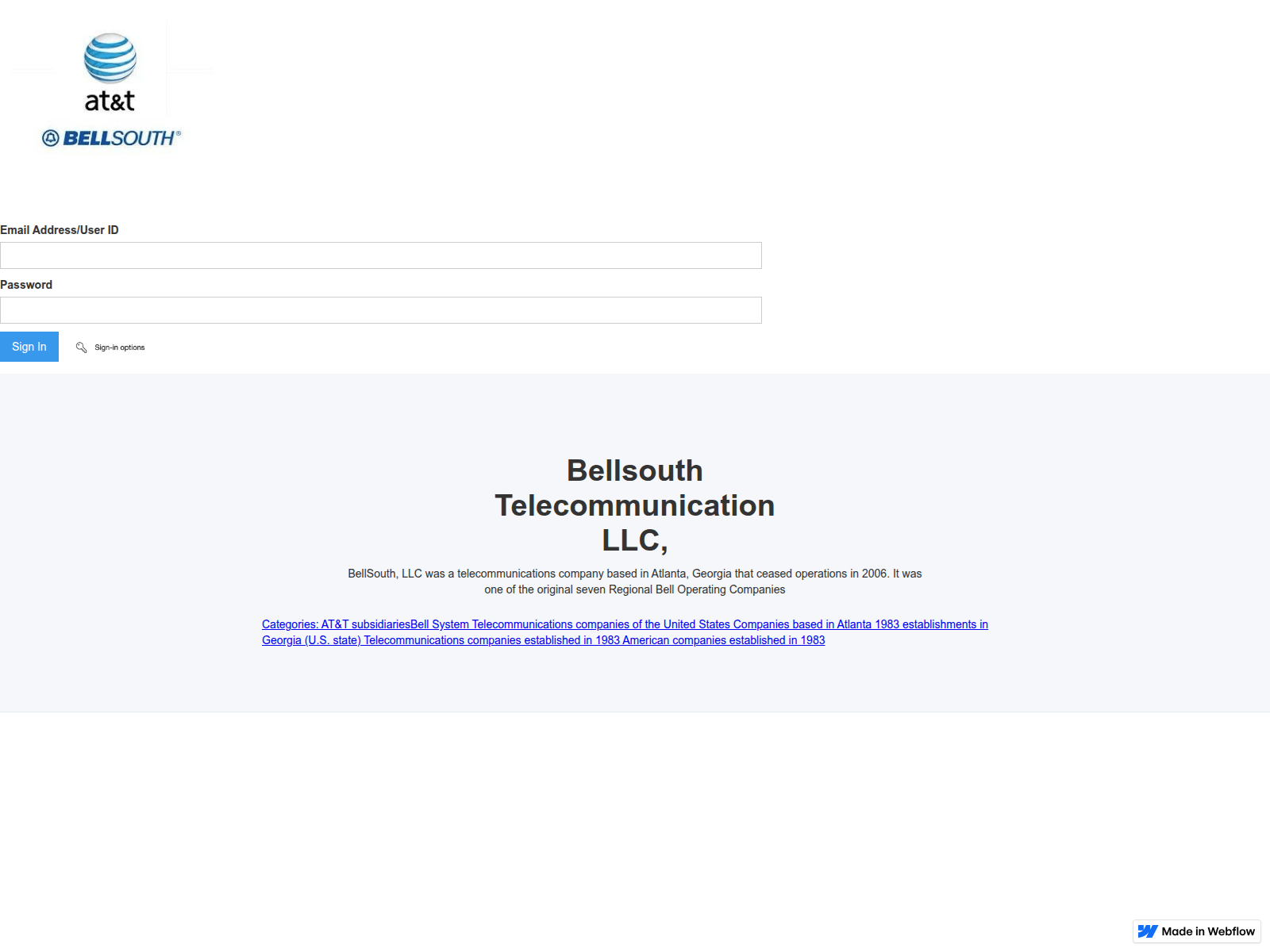
bellsouth-att-sign-in-fdbdf1.webflow.io — Inhalt nicht verfügbar. Markenidentität: AT&T; Betrugstyp: Generic Phishing. Zusammenfassung der Beweislage: VirusTotal 17/95 (ADMINUSLabs, alphaMountain.ai, BitDefender, CRDF, CyRadar); Google Safe Browsing flagged; CF Radar malicious; PhishDestroy score 100/100. Registrar: MarkMonitor.
Die ausführliche Analyse von PhishDestroy AI bleibt auf Englisch, damit der ursprüngliche forensische Bericht unverändert bleibt.
This domain, bellsouth-att-sign-in-fdbdf1.webflow.io, operates as a credential harvesting phishing site designed to impersonate AT&T’s official login portal. The site mimics the appearance of legitimate AT&T/Bellsouth authentication pages, tricking users into entering sensitive account details such as usernames, passwords, and potentially payment information. The primary threat posed by this domain is unauthorized account access, which could lead to identity theft, financial fraud, or further exploitation of compromised credentials across other platforms. Analysis indicates this domain was registered through MarkMonitor, Inc. on May 8, 2013, though the phishing content appears to have been deployed more recently. Infrastructure analysis reveals the domain resolves to 104.18.36.248, hosted on Cloudflare’s network (AS13335). The site’s SSL certificate is issued by Google Trust Services (WE1), a common tactic to lend false legitimacy. Security vendors flagged this domain in 17 out of 95 scans on VirusTotal, with Google Safe Browsing explicitly classifying it as phishing. Additionally, the domain appears on at least one security blocklist and has since been taken offline. If you visited bellsouth-att-sign-in-fdbdf1.webflow.io and entered login credentials or other sensitive information, immediate action is required. First, change the passwords for any accounts using the same or similar credentials, prioritizing email, financial, and AT&T-related services. Enable multi-factor authentication (MFA) where available to add an extra layer of security. Monitor accounts for unauthorized activity, such as unfamiliar transactions or login attempts, and report any suspicious behavior to the affected service provider. Consider notifying credit agencies to place a fraud alert if financial information was exposed. Users should also scan their devices for malware, as phishing sites may distribute additional payloads.

 Scamadviser Warnings
1/100
Scamadviser Warnings
1/100
 (US)
San Francisco, US
(US)
San Francisco, USCloudflare is a web-infrastructure and website-security company, providing content-delivery-network services, DDoS mitigation, Internet security, and distributed domain-name-server services.
www.cloudflare.com 100 % KonfidenzHTTP/3 is the third major version of the Hypertext Transfer Protocol used to exchange information on the World Wide Web.
httpwg.org 100 % KonfidenzWenn Sie Kontoanmeldeinformationen, persönliche oder Zahlungsinformationen eingegeben oder eine Datei von dieser Domain heruntergeladen haben, ergreifen Sie sofort Maßnahmen. Nachfolgend finden Sie Ressourcen, die Ihnen helfen, den Vorfall zu melden und sich zu schützen.


Wählen Sie Ihr Land aus, um Offizielle Kontakte im Bereich Cyberkriminalität oder einen Beschwerdeentwurf erstellen → zu erhalten.
Diese Berichte werden auf dieselbe gemeinsame Edge-IP aufgelöst. Sie helfen bei der Berichtserkennung, bedeuten jedoch keinen gemeinsamen Besitz oder einen gemeinsamen Ursprungsserver.
These domains also target AT&T users. View all AT&T threats →
Kürzlich hinzugefügte Berichte aus der PhishDestroy-Datenbank. Diese Discovery-Links implizieren keine gemeinsame Nutzung der Infrastruktur oder des Eigentums.
Bedrohungsanalyse anhand gespeicherter Blocklisten, WHOIS, DNS und öffentlicher Scan-Beweise
Jetzt scannenMelden Sie verdächtige Domains an unsere Bedrohungsdatenbank – schützen Sie die Community
MeldenAktuelle Phishing-Meldungen und beobachtete Verfügbarkeitsänderungen
ÜberwachenBeobachten Sie aktuelle Bedrohungen oder legen Sie Widerspruch gegen diesen Eintrag ein, wenn Sie der Meinung sind, dass es sich um einen Fehlalarm handelt
 list-serve.com
  urlwatch.com
  contact-metamask-support.blogspot.com.co
  pumplive.xyz