smartproxy.in
  pumplive.solstream.cc
FBI IC3
Melden Sie internetbasierte Kriminalität in den Vereinigten Staaten
Federal tips line1-800-CALL-FBI
The sent-report ledger records the first outgoing report at . A report was sent to the recorded registrar; contact details remain in Domain Intelligence. The latest stored availability evidence still shows the domain reachable; 20 days has elapsed since the first outgoing report.
ICANN RAA §3.18 describes registrar abuse-contact and handling obligations. This section records outgoing timestamps and later availability. It does not by itself prove receipt, acknowledgement, investigation, remediation, or contractual non-compliance.

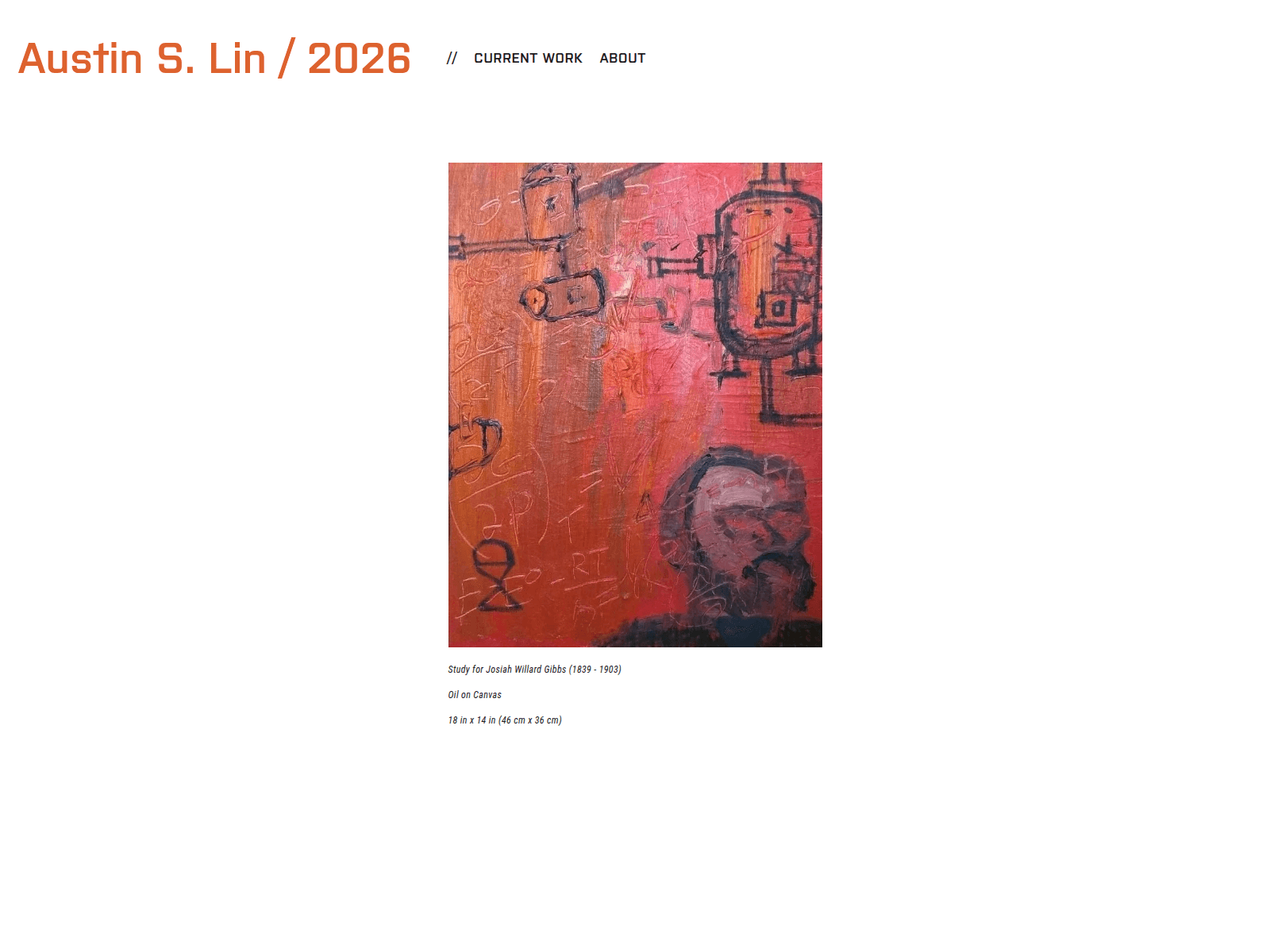
“Austin S. Lin / 2026”
Analysis of the domain austinsl.in indicates that it is actively being used for a phishing operation as of the report date, July 22, 2026. The domain was registered through GoDaddy on January 09, 2017 and currently resolves to the IP address 104.21.29.174, which is associated with Cloudflare’s edge network. Nameserver records show damiete.ns.cloudflare.com and naya.ns.cloudflare.com, confirming that the infrastructure is hosted behind Cloudflare’s DNS services. The domain has been scanned by 95 antivirus and URL scanning vendors on VirusTotal; while none of the engines returned a positive classification at the time of analysis, the absence of detections does not constitute evidence of benign intent.
The site is listed on a single security blocklist and is actively blocked by the PhishDestroy mitigation service, demonstrating that at least one external platform has identified it as malicious. Current status is marked as active, and the threat type is recorded as generic phishing. No public page title, SSL certificate details, or HTTP response codes are available in the supplied intelligence, leaving the exact content and response behavior of the site unverified.
Defenders should continue to enforce domain‑based blocking for austinsl.in, monitor traffic to the associated IP address for anomalous patterns, and consider adding the IP to network‑level deny lists. Ongoing observation of the Cloudflare edge IP is advisable, as shared hosting may expose additional malicious actors. Organizations are encouraged to update URL filtering solutions with the latest blocklist entry and to remain vigilant for any future detections or reputation changes associated with this domain.
PD-20260722-CC99E1
10 überwachte externe Feeds · gespeicherter Stand 12.08.2026
 (US)
(US)
 Toronto, CA
6 Technologien mit hoher Konfidenz erkannt
Google PageSpeed Insights — mobile performance audit of austinsl.in · checked Jul 22, 2026
Kürzlich hinzugefügte Berichte aus der PhishDestroy-Datenbank. Diese Discovery-Links implizieren keine gemeinsame Nutzung der Infrastruktur oder des Eigentums.
Wenn Sie Kontoanmeldeinformationen, persönliche oder Zahlungsinformationen eingegeben oder eine Datei von dieser Domain heruntergeladen haben, ergreifen Sie sofort Maßnahmen. Nachfolgend finden Sie Ressourcen, die Ihnen helfen, den Vorfall zu melden und sich zu schützen.


Wählen Sie Ihr Land aus, um Offizielle Kontakte im Bereich Cyberkriminalität oder einen Beschwerdeentwurf erstellen → zu erhalten.
Bedrohungsanalyse anhand gespeicherter Blocklisten, WHOIS, DNS und öffentlicher Scan-Beweise
Jetzt scannenMelden Sie verdächtige Domains an unsere Bedrohungsdatenbank – schützen Sie die Community
MeldenAktuelle Phishing-Meldungen und beobachtete Verfügbarkeitsänderungen
ÜberwachenBeobachten Sie aktuelle Bedrohungen oder legen Sie Widerspruch gegen diesen Eintrag ein, wenn Sie der Meinung sind, dass es sich um einen Fehlalarm handelt