meihsue.us.cc
  ledger-support.top
FBI IC3
Melden Sie internetbasierte Kriminalität in den Vereinigten Staaten
Federal tips line1-800-CALL-FBI

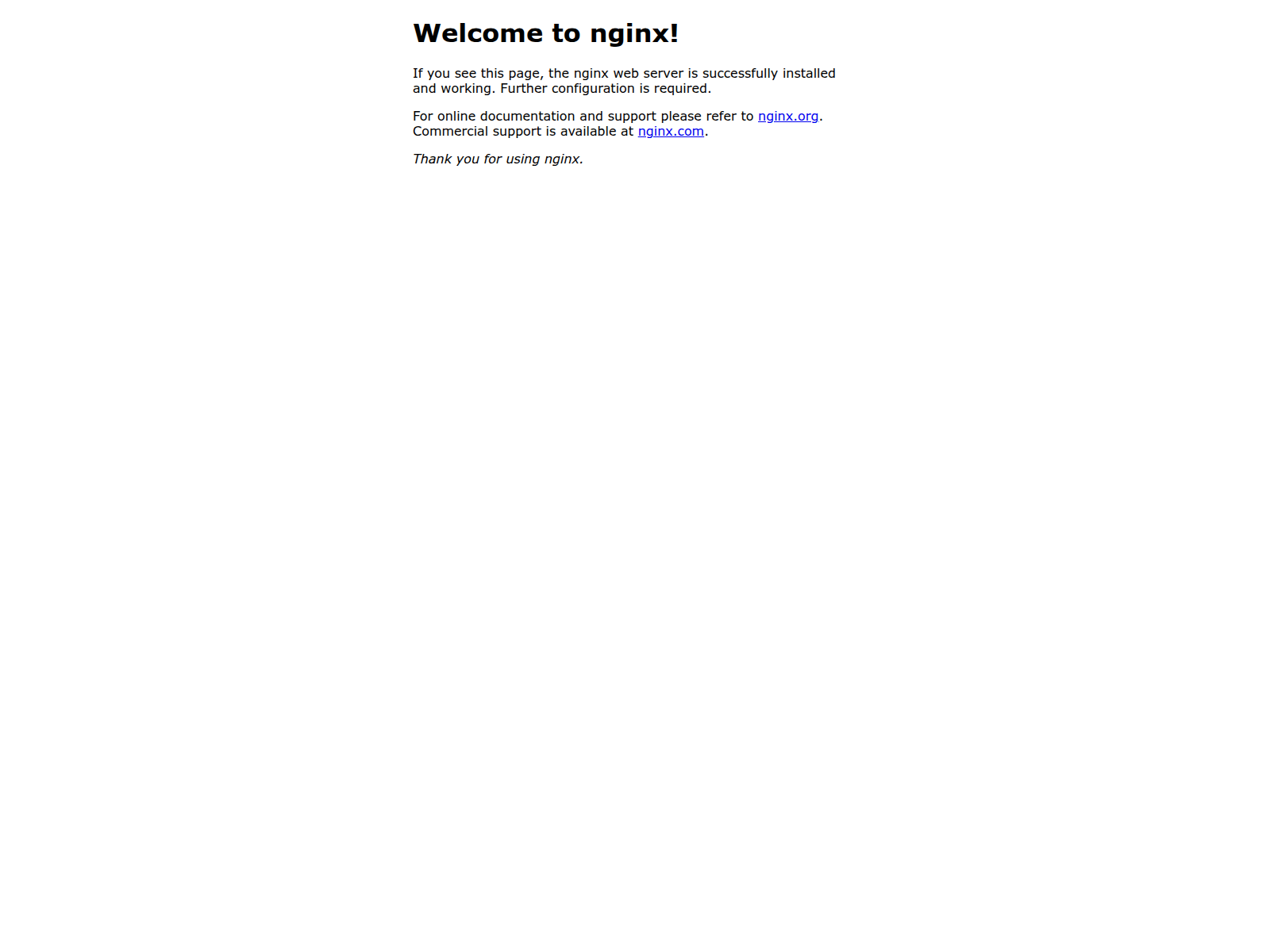
“Welcome to nginx!”
Analysis of the domain att.vtyxz.cc indicates an elevated-risk brand-impersonation campaign targeting X.com, currently offline as of July 23, 2026. The domain was registered on February 21, 2026, through Gname.com Pte. Ltd., a registrar frequently observed in phishing operations. Infrastructure analysis reveals Cloudflare hosting (AS13335) with nameservers alfred.ns.cloudflare.com and nancy.ns.cloudflare.com, resolving to IP 172.67.130.155, geolocated in the United States. No SSL certificate is present, and the HTTP response displays the default 'Welcome to nginx!' page title, suggesting either misconfiguration or a placeholder state during the campaign's inactive phase. Detection data shows the domain is flagged by 12 of 93 security vendors on VirusTotal, though the specific detection engines and signatures are not disclosed in available intelligence.
It appears on one security blocklist and is blocked by PhishDestroy. Gridinsoft assigns a trust score of 0/100, reinforcing its classification as malicious. The absence of an SSL certificate and the use of a default server banner may indicate a hastily deployed or low-sophistication operation, though this does not preclude effectiveness in targeted attacks. Defenders should treat this domain as confirmed malicious infrastructure.
Recommended actions include blocking the domain and IP 172.67.130.155 at perimeter security controls, monitoring for internal connections to the domain or associated Cloudflare nameservers, and reviewing logs for prior interactions. Given the domain's offline status, defenders should prioritize retrospective analysis to identify any successful compromises before takedown. The registrar, Gname.com Pte. Ltd., should be monitored for additional malicious registrations, as its history of abuse may warrant heightened scrutiny in threat intelligence workflows. No evidence currently links this domain to a specific phishing kit or payload, and the exact content served to victims remains unanalyzed.
PD-20260120-E3A47F
| Detection System | Indicator | Verdict | Alert |
|---|---|---|---|
| DNS4EU | att.vtyxz.cc |
malicious | Sinkholed |
10 überwachte externe Feeds · gespeicherter Stand 12.08.2026
Cloudflare-Radar-Scan gespeichert · Scan öffnen
Von 1 Community-Mitglied gemeldet; erstmals gesehen am 20.01.2026
 (SG)
(SG)
 San Francisco, US
Diese Berichte werden auf dieselbe gemeinsame Edge-IP aufgelöst. Sie helfen bei der Berichtserkennung, bedeuten jedoch keinen gemeinsamen Besitz oder einen gemeinsamen Ursprungsserver.
Kürzlich hinzugefügte Berichte aus der PhishDestroy-Datenbank. Diese Discovery-Links implizieren keine gemeinsame Nutzung der Infrastruktur oder des Eigentums.
Wenn Sie Kontoanmeldeinformationen, persönliche oder Zahlungsinformationen eingegeben oder eine Datei von dieser Domain heruntergeladen haben, ergreifen Sie sofort Maßnahmen. Nachfolgend finden Sie Ressourcen, die Ihnen helfen, den Vorfall zu melden und sich zu schützen.


Wählen Sie Ihr Land aus, um Offizielle Kontakte im Bereich Cyberkriminalität oder einen Beschwerdeentwurf erstellen → zu erhalten.
Bedrohungsanalyse anhand gespeicherter Blocklisten, WHOIS, DNS und öffentlicher Scan-Beweise
Jetzt scannenMelden Sie verdächtige Domains an unsere Bedrohungsdatenbank – schützen Sie die Community
MeldenAktuelle Phishing-Meldungen und beobachtete Verfügbarkeitsänderungen
ÜberwachenBeobachten Sie aktuelle Bedrohungen oder legen Sie Widerspruch gegen diesen Eintrag ein, wenn Sie der Meinung sind, dass es sich um einen Fehlalarm handelt