rainbowmoon.cc
  xzgjjr.vip
  google-amazon-ultraman.cc
  www.stores-dofus.fr
  stresser.work
FBI IC3
Melden Sie internetbasierte Kriminalität in den Vereinigten Staaten
Federal tips line1-800-CALL-FBI

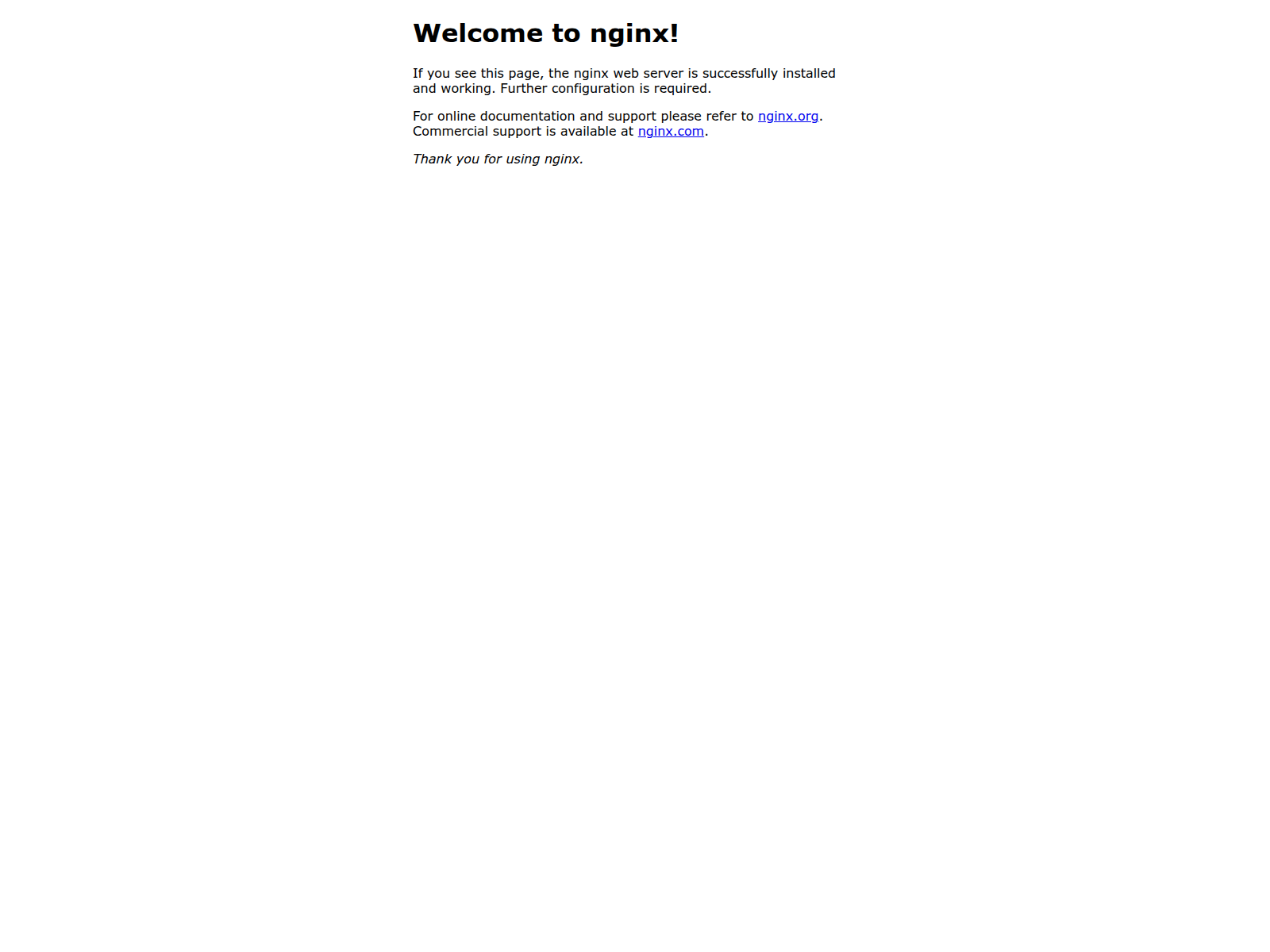
“Welcome to nginx!”
This domain, att.rgpxb.cc, is flagged as a brand impersonation site targeting X.com, a high-profile social media platform. Analysis indicates the domain was designed to mimic legitimate X.com properties, likely to deceive users into divulging credentials or engaging with fraudulent content. No evidence of a crypto drainer kit or payment interception was observed, but the domain's structure and naming convention align with known brand impersonation tactics. The page title, 'Welcome to nginx!', suggests a default server configuration, which may indicate rushed deployment or low-effort infrastructure setup. Infrastructure analysis reveals the domain was registered on February 21, 2026, through Gname.com Pte. Ltd., a registrar commonly associated with high-risk domains. It resolves to IP address 172.67.130.143, hosted on AS13335 (Cloudflare, Inc.), a network frequently leveraged for bulletproof hosting. At the time of assessment, 20 out of 95 security vendors on VirusTotal flagged the domain as malicious, while it appeared on one external blocklist. No SSL certificate was detected, further reducing user trust and increasing exposure to interception. The domain's current status is offline, though historical records confirm its prior operational state. Current response actions indicate the domain has been taken offline, likely due to enforcement measures or hosting provider intervention. However, residual risk persists due to the domain's recent registration and association with brand impersonation campaigns. Organizations are advised to block the domain at the DNS level and monitor for re-registration or similar variants using the seed '11efbd'. Users should be alerted to the threat, particularly those accessing X.com or related services, as credential theft remains a plausible secondary objective. Continuous monitoring of newly registered domains with similar naming patterns is recommended to preempt further abuse.
PD-20260131-662012
| Detection System | Indicator | Verdict | Alert |
|---|---|---|---|
| Hagezi Threat Feed | att.rgpxb.cc |
malicious | Sinkholed |
| Quad9 DNS | att.rgpxb.cc |
malicious | Sinkholed |
| OpenDNS | att.rgpxb.cc |
phishing | Phishing Block |
| DNS4EU | att.rgpxb.cc |
malicious | Sinkholed |
10 überwachte externe Feeds · gespeicherter Stand 10.08.2026
Cloudflare-Radar-Scan gespeichert · Scan öffnen
 (SG)
(SG)
 San Francisco, US
Kürzlich hinzugefügte Berichte aus der PhishDestroy-Datenbank. Diese Discovery-Links implizieren keine gemeinsame Nutzung der Infrastruktur oder des Eigentums.
Wenn Sie Kontoanmeldeinformationen, persönliche oder Zahlungsinformationen eingegeben oder eine Datei von dieser Domain heruntergeladen haben, ergreifen Sie sofort Maßnahmen. Nachfolgend finden Sie Ressourcen, die Ihnen helfen, den Vorfall zu melden und sich zu schützen.


Wählen Sie Ihr Land aus, um Offizielle Kontakte im Bereich Cyberkriminalität oder einen Beschwerdeentwurf erstellen → zu erhalten.
Bedrohungsanalyse anhand gespeicherter Blocklisten, WHOIS, DNS und öffentlicher Scan-Beweise
Jetzt scannenMelden Sie verdächtige Domains an unsere Bedrohungsdatenbank – schützen Sie die Community
MeldenAktuelle Phishing-Meldungen und beobachtete Verfügbarkeitsänderungen
ÜberwachenBeobachten Sie aktuelle Bedrohungen oder legen Sie Widerspruch gegen diesen Eintrag ein, wenn Sie der Meinung sind, dass es sich um einen Fehlalarm handelt