mxhaisyx.us.cc
  rainbowmoon.cc
FBI IC3
Melden Sie internetbasierte Kriminalität in den Vereinigten Staaten
Federal tips line1-800-CALL-FBI

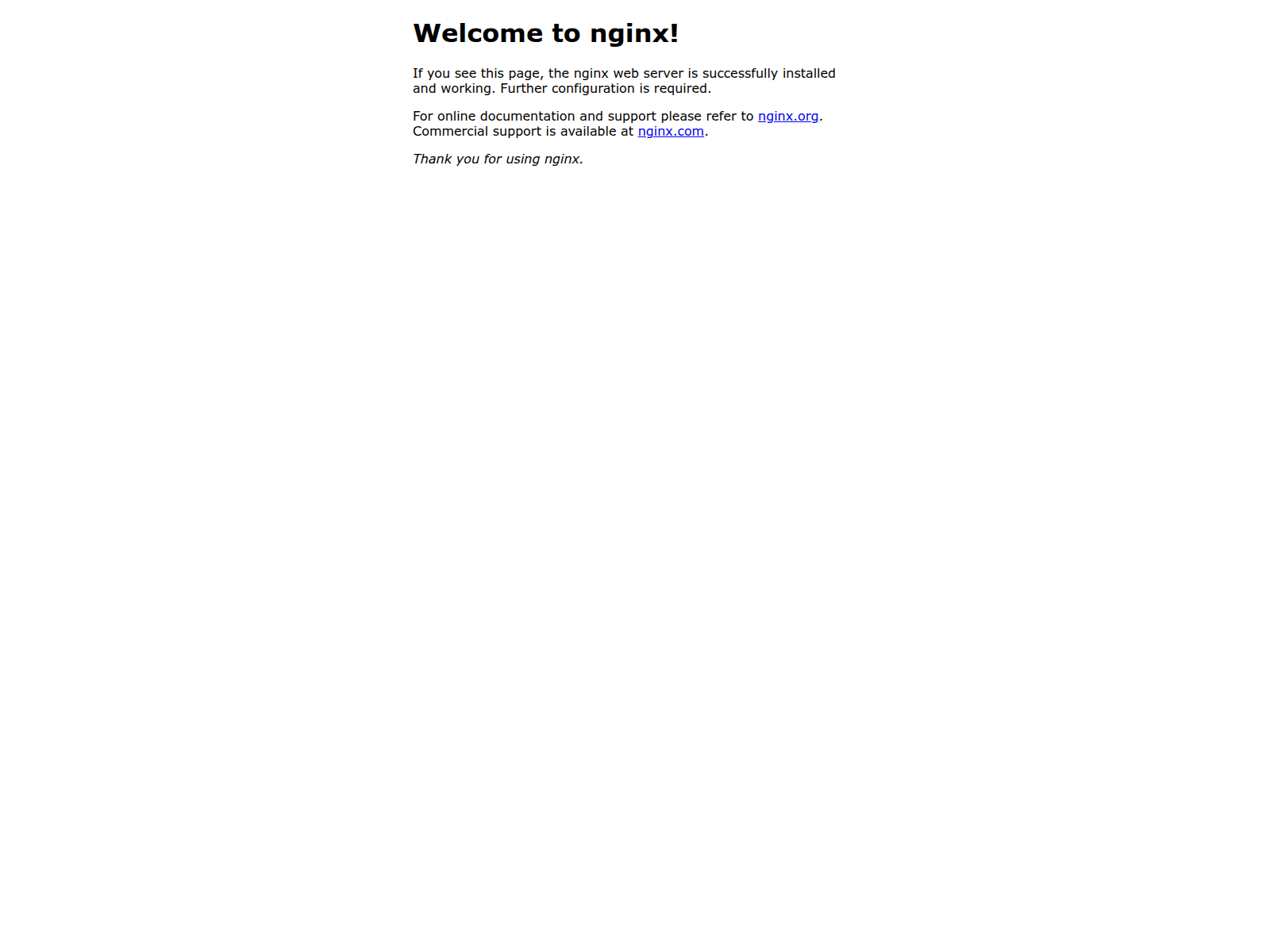
“Welcome to nginx!”
Analysis of the domain att.kgeyu.cc was performed on July 23, 2026. The domain is currently offline, which suggests the operators have taken the site down after detection. The domain was registered on March 2, 2026 through Gname.com Pte. Ltd., a registrar that is frequently used for short‑lived malicious infrastructure. DNS resolution points to the IP address 172.67.173.162, which belongs to AS13335 Cloudflare, Inc. and is geolocated in the United States. The authoritative nameservers are benedict.ns.cloudflare.com and melinda.ns.cloudflare.com, confirming that the domain relied on Cloudflare’s DNS and CDN services. No TLS certificate was presented for the site, indicating that the service was delivered over plain HTTP.
An HTTP request to the host returned the default server banner “Welcome to nginx!”, which is a generic response and provides no indication of the intended phishing content. Google Safe Browsing has classified the URL as a social‑engineering threat, and the domain appears on a single security blocklist. PhishDestroy also listed the domain as blocked. VirusTotal recorded 18 detections out of 93 scanned security vendors, reinforcing the view that the domain was used for malicious purposes. The available evidence confirms that att.kgeyu.cc was employed in a generic phishing campaign, but the specific target brand, credential‑capture page layout, or lure technique has not been disclosed in the collected data.
Consequently, defenders cannot attribute the campaign to a particular industry or victim profile beyond the generic phishing classification. The lack of a TLS certificate and the use of a default Nginx page suggest that the malicious site may have been a temporary drop‑off point for redirects or payload delivery rather than a fully crafted phishing landing page.
PD-20260302-1F47BE
| Detection System | Indicator | Verdict | Alert |
|---|---|---|---|
| Cloudflare DNS | att.kgeyu.cc |
malicious | Sinkholed |
| DNS4EU | att.kgeyu.cc |
malicious | Sinkholed |
10 überwachte externe Feeds · gespeicherter Stand 12.08.2026
Cloudflare-Radar-Scan gespeichert · Scan öffnen
Erreichbar → Nicht erreichbar
Cloudflare-Radar-Scan gespeichert · Scan öffnen
Von 1 Community-Mitglied gemeldet; erstmals gesehen am 02.03.2026
 (SG)
(SG)
 San Francisco, US
Google PageSpeed Insights — mobile performance audit of att.kgeyu.cc · checked Mar 2, 2026
These domains also target ["x.com"] users. View all ["x.com"] threats →
Kürzlich hinzugefügte Berichte aus der PhishDestroy-Datenbank. Diese Discovery-Links implizieren keine gemeinsame Nutzung der Infrastruktur oder des Eigentums.
Wenn Sie Kontoanmeldeinformationen, persönliche oder Zahlungsinformationen eingegeben oder eine Datei von dieser Domain heruntergeladen haben, ergreifen Sie sofort Maßnahmen. Nachfolgend finden Sie Ressourcen, die Ihnen helfen, den Vorfall zu melden und sich zu schützen.


Wählen Sie Ihr Land aus, um Offizielle Kontakte im Bereich Cyberkriminalität oder einen Beschwerdeentwurf erstellen → zu erhalten.
Bedrohungsanalyse anhand gespeicherter Blocklisten, WHOIS, DNS und öffentlicher Scan-Beweise
Jetzt scannenMelden Sie verdächtige Domains an unsere Bedrohungsdatenbank – schützen Sie die Community
MeldenAktuelle Phishing-Meldungen und beobachtete Verfügbarkeitsänderungen
ÜberwachenBeobachten Sie aktuelle Bedrohungen oder legen Sie Widerspruch gegen diesen Eintrag ein, wenn Sie der Meinung sind, dass es sich um einen Fehlalarm handelt