
 ChainPatrol
 Web-Check
  SOCRadar
  LeakIX
FBI IC3
Melden Sie internetbasierte Kriminalität in den Vereinigten Staaten
Federal tips line1-800-CALL-FBI

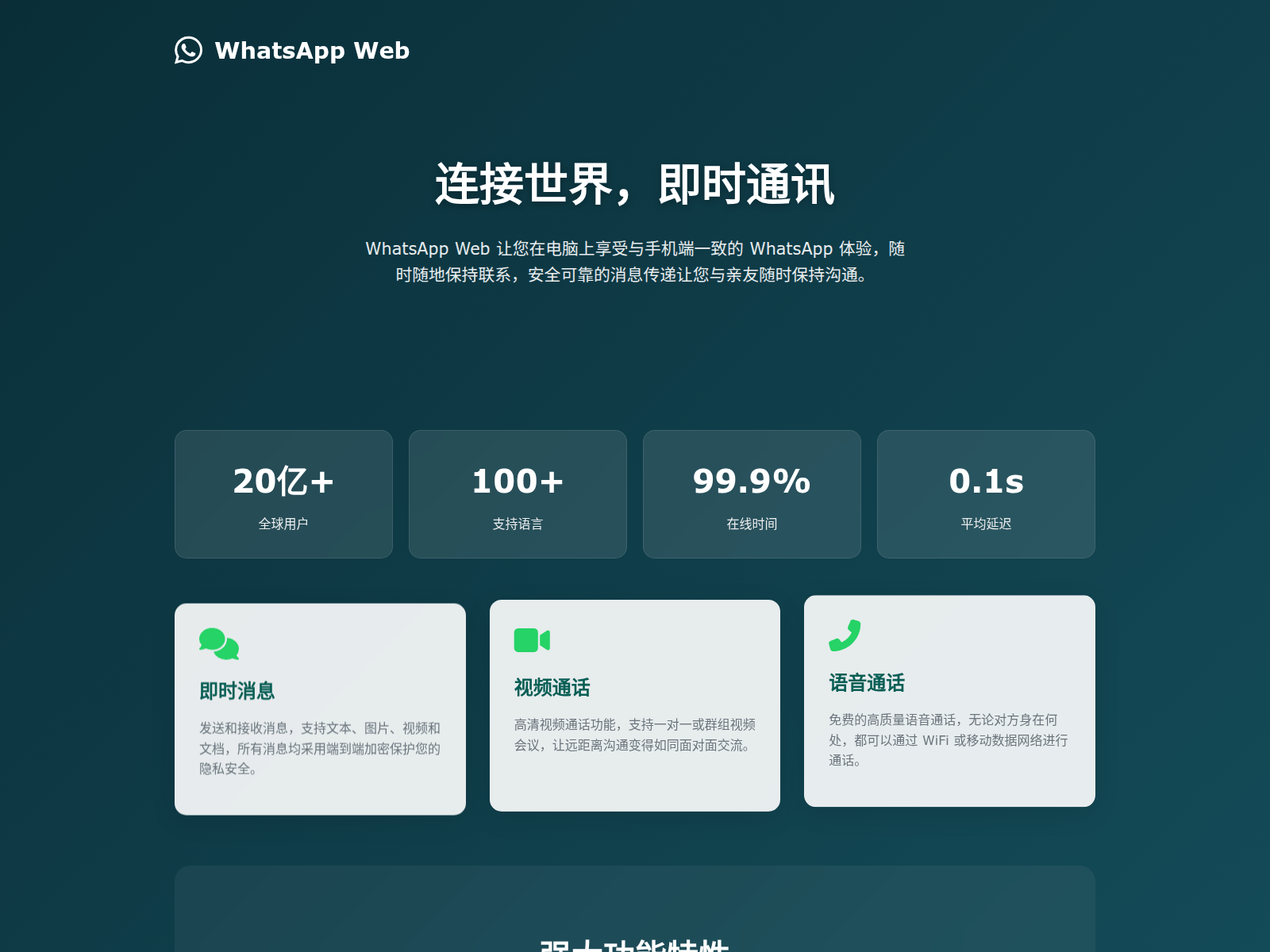
“WhatsApp Web - 即时通讯,连接世界”
app-web-whatsapp.he.cn — Inhalt nicht verfügbar. Markenidentität: WhatsApp; Betrugstyp: Social Media Phishing. Zusammenfassung der Beweislage: VirusTotal 18/95 (ADMINUSLabs, alphaMountain.ai, BitDefender, Cluster25, CRDF); URLQuery 4 alerts; URLScan malicious verdict; Spamhaus DBL_PHISH; CF Radar malicious; PhishDestroy score 95/100. Registrar: 成都垦派科技有限公司.
Die ausführliche Analyse von PhishDestroy AI bleibt auf Englisch, damit der ursprüngliche forensische Bericht unverändert bleibt.
The domain app-web-whatsapp.he.cn is identified as a credential theft threat, specifically targeting users by impersonating the WhatsApp Web platform. This malicious domain aims to deceive victims into providing sensitive login credentials under the guise of an official WhatsApp Web interface. Such attacks can lead to unauthorized access to personal information and communications, posing significant privacy and security risks to individuals.
The domain was flagged by 18 out of 95 security vendors on VirusTotal, indicating a substantial recognition of its threat potential. It was registered through 成都垦派科技有限公司 and is currently offline following intervention by PhishDestroy. The domain was created with a Let's Encrypt SSL certificate, commonly used for both legitimate and malicious purposes. It was added to one known security blocklist, further corroborating its malicious intent. The domain's creation date is recorded as February 21, 2026, and it resolved to the IP address 168.76.144.201, located in Hong Kong under AS137951 ASLINE LIMITED.
Users who visited this domain should immediately change their passwords on all potentially compromised accounts, especially those related to WhatsApp. It is also advisable to enable multi-factor authentication where possible to add an extra layer of security. Monitoring account activity for any unauthorized access attempts is crucial. Additionally, users should remain vigilant against similar threats by ensuring URLs are verified before entering sensitive information and by keeping their security software up to date.

| Detection System | Indicator | Verdict | Alert |
|---|---|---|---|
| OpenDNS | app-web-whatsapp.he.cn |
phishing | Phishing Block |
| Hagezi Threat Feed | app-web-whatsapp.he.cn |
malicious | Sinkholed |
| Cloudflare DNS | app-web-whatsapp.he.cn |
malicious | Sinkholed |
| DNS4EU | app-web-whatsapp.he.cn |
malicious | Sinkholed |
 (CN)
(CN)

High-performance HTTP server and reverse proxy, known for stability and low resource usage.
HTTP Strict Transport Security — forces browsers to use HTTPS connections only.
Third major version of HTTP protocol, built on QUIC for faster, more reliable connections.
Google PageSpeed Insights — mobile performance audit of app-web-whatsapp.he.cn · checked Mar 1, 2026
PD-20260221-AFA9CE Recipient: vbd016@sina.com Wenn Sie Kontoanmeldeinformationen, persönliche oder Zahlungsinformationen eingegeben oder eine Datei von dieser Domain heruntergeladen haben, ergreifen Sie sofort Maßnahmen. Nachfolgend finden Sie Ressourcen, die Ihnen helfen, den Vorfall zu melden und sich zu schützen.


Wählen Sie Ihr Land aus, um Offizielle Kontakte im Bereich Cyberkriminalität oder einen Beschwerdeentwurf erstellen → zu erhalten.
These domains also target WhatsApp users. View all WhatsApp threats →
Kürzlich hinzugefügte Berichte aus der PhishDestroy-Datenbank. Diese Discovery-Links implizieren keine gemeinsame Nutzung der Infrastruktur oder des Eigentums.
Bedrohungsanalyse anhand gespeicherter Blocklisten, WHOIS, DNS und öffentlicher Scan-Beweise
Jetzt scannenMelden Sie verdächtige Domains an unsere Bedrohungsdatenbank – schützen Sie die Community
MeldenAktuelle Phishing-Meldungen und beobachtete Verfügbarkeitsänderungen
ÜberwachenBeobachten Sie aktuelle Bedrohungen oder legen Sie Widerspruch gegen diesen Eintrag ein, wenn Sie der Meinung sind, dass es sich um einen Fehlalarm handelt
 whatsapp.nm.hl.cn
  drk-whatsapp.hk.cn
  rainbetcasinoonline.de
  pump-live.solstream.cc