 ChainPatrol
 Web-Check
  SOCRadar
  LeakIX
FBI IC3
Melden Sie internetbasierte Kriminalität in den Vereinigten Staaten
Federal tips line1-800-CALL-FBI
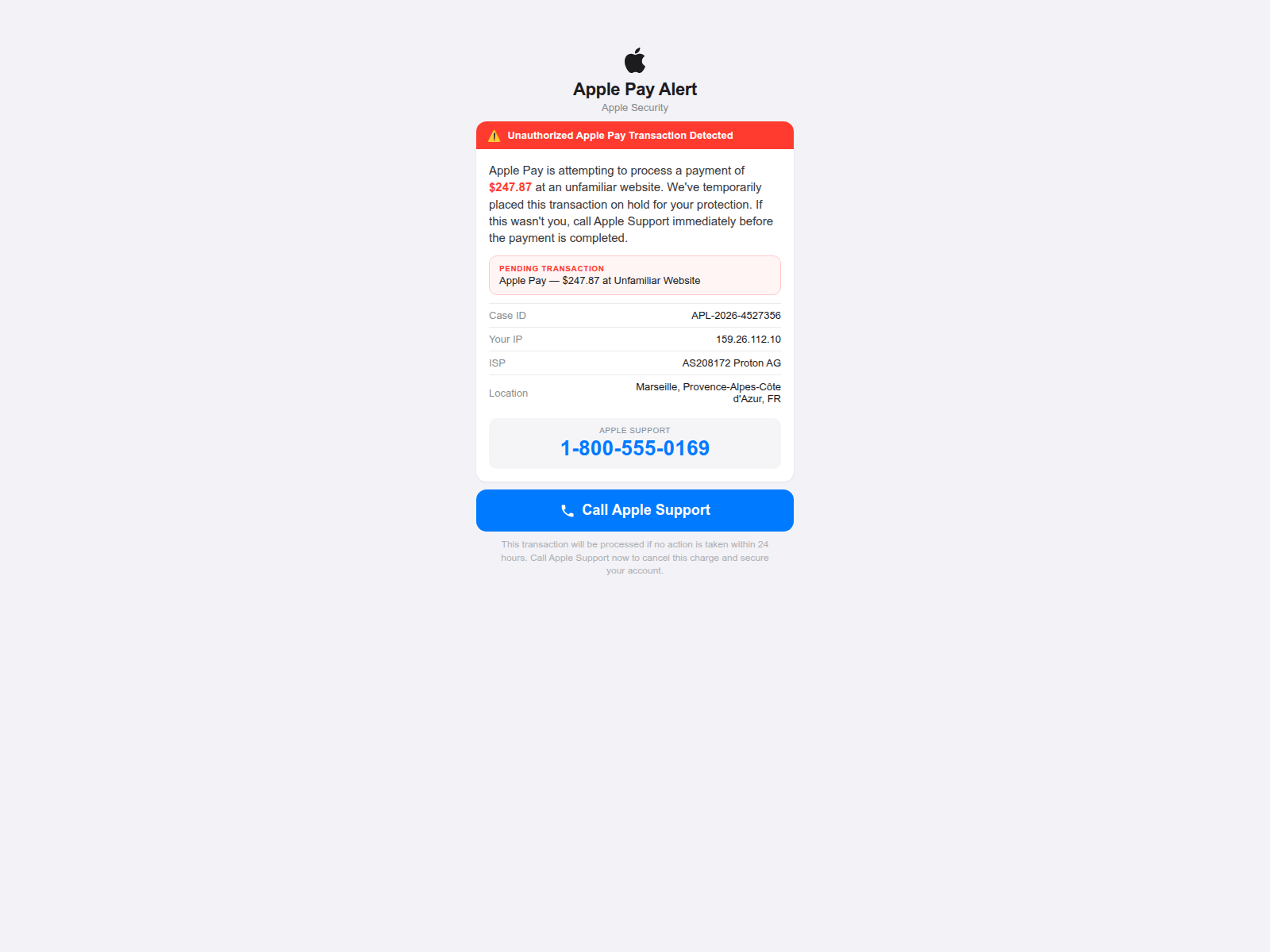
“Apple Support”
6a71c0b8a1b80432d7053a3b--melodic-cendol-596259.netlify.app — Nicht bestätigt. Markenidentität: Apple; Betrugstyp: Impersonation. Zusammenfassung der Beweislage: VirusTotal 16/91 (alphaMountain.ai, BitDefender, Ermes, ESET, Forcepoint ThreatSeeker); CF Radar malicious; PhishDestroy score 95/100. Registrar: Netlify.
Die ausführliche Analyse von PhishDestroy AI bleibt auf Englisch, damit der ursprüngliche forensische Bericht unverändert bleibt.
The domain 6a71c0b8a1b80432d7053a3b--melodic-cendol-596259.netlify.app is presently classified as a high‑risk generic phishing infrastructure. Infrastructure analysis reveals that the site resolves to the IPv4 address 18.208.88.157 and is hosted on Netlify’s platform, as indicated by the Netlify technology fingerprint and the registration record that lists Netlify as the registrar. The TLS certificate presented by the service is issued by DigiCert Inc, confirming the use of a valid, publicly trusted certificate chain. HTTP‑level observations show HSTS support, and IP‑based enrichment from IPinfo further corroborates the Netlify hosting environment.
Threat intelligence aggregators have identified the domain on two public blocklists, and both PhishDestroy and OpenPhish have already listed it as malicious. VirusTotal scans report that fifteen of ninety‑one security vendors have flagged the domain, reinforcing the suspicion of malicious intent despite the relatively modest detection count. No authoritative nameserver information is available (NS_NOT_FOUND), and no page title or content analysis has been published, leaving the exact phishing payload or targeted brand unconfirmed.
Given the active status, the presence on reputable blocklists, and the observed vendor detections, defenders should treat the domain as hostile. Recommended mitigations include immediate blocking at network perimeter devices, updating DNS sinkhole lists with the observed IP address and domain, and monitoring for any outbound connections to the host. Continuous re‑scanning of the URL on VirusTotal or similar platforms is advisable to capture any escalation in detection counts. Organizations should also consider employing URL‑filtering solutions that reference the listed blocklists to prevent end‑user exposure to this high‑risk phishing resource.

 (US)
(US)
 Frankfurt am Main, DE
Netlify providers hosting and server-less backend services for web applications and static websites.
www.netlify.com 100 % KonfidenzHTTP Strict Transport Security (HSTS) informs browsers that the site should only be accessed using HTTPS.
www.rfc-editor.org 100 % KonfidenzGoogle PageSpeed Insights — mobile performance audit of 6a71c0b8a1b80432d7053a3b--melodic-cendol-596259.netlify.app · checked Aug 7, 2026
Wenn Sie Kontoanmeldeinformationen, persönliche oder Zahlungsinformationen eingegeben oder eine Datei von dieser Domain heruntergeladen haben, ergreifen Sie sofort Maßnahmen. Nachfolgend finden Sie Ressourcen, die Ihnen helfen, den Vorfall zu melden und sich zu schützen.


Wählen Sie Ihr Land aus, um Offizielle Kontakte im Bereich Cyberkriminalität oder einen Beschwerdeentwurf erstellen → zu erhalten.
Diese Berichte werden auf dieselbe gemeinsame Edge-IP aufgelöst. Sie helfen bei der Berichtserkennung, bedeuten jedoch keinen gemeinsamen Besitz oder einen gemeinsamen Ursprungsserver.
These domains also target Apple users. View all Apple threats →
Kürzlich hinzugefügte Berichte aus der PhishDestroy-Datenbank. Diese Discovery-Links implizieren keine gemeinsame Nutzung der Infrastruktur oder des Eigentums.
Bedrohungsanalyse anhand gespeicherter Blocklisten, WHOIS, DNS und öffentlicher Scan-Beweise
Jetzt scannenMelden Sie verdächtige Domains an unsere Bedrohungsdatenbank – schützen Sie die Community
MeldenAktuelle Phishing-Meldungen und beobachtete Verfügbarkeitsänderungen
ÜberwachenBeobachten Sie aktuelle Bedrohungen oder legen Sie Widerspruch gegen diesen Eintrag ein, wenn Sie der Meinung sind, dass es sich um einen Fehlalarm handelt
 norvexis.cc
  atlasfederalbk.com