raydiumdexnetlify.world
  deepstresser.su
  stresse.st
  wynavi.com
  navi77.pro
  roblox-robux10kadm1n.blogspot.com
مركز IC3 التابع لمكتب التحقيقات الفيدرالي (FBI)
الإبلاغ عن الجرائم المتصلة بالإنترنت في الولايات المتحدة
Federal tips line1-800-CALL-FBI

“Swap Raydium | DEX on Solana”
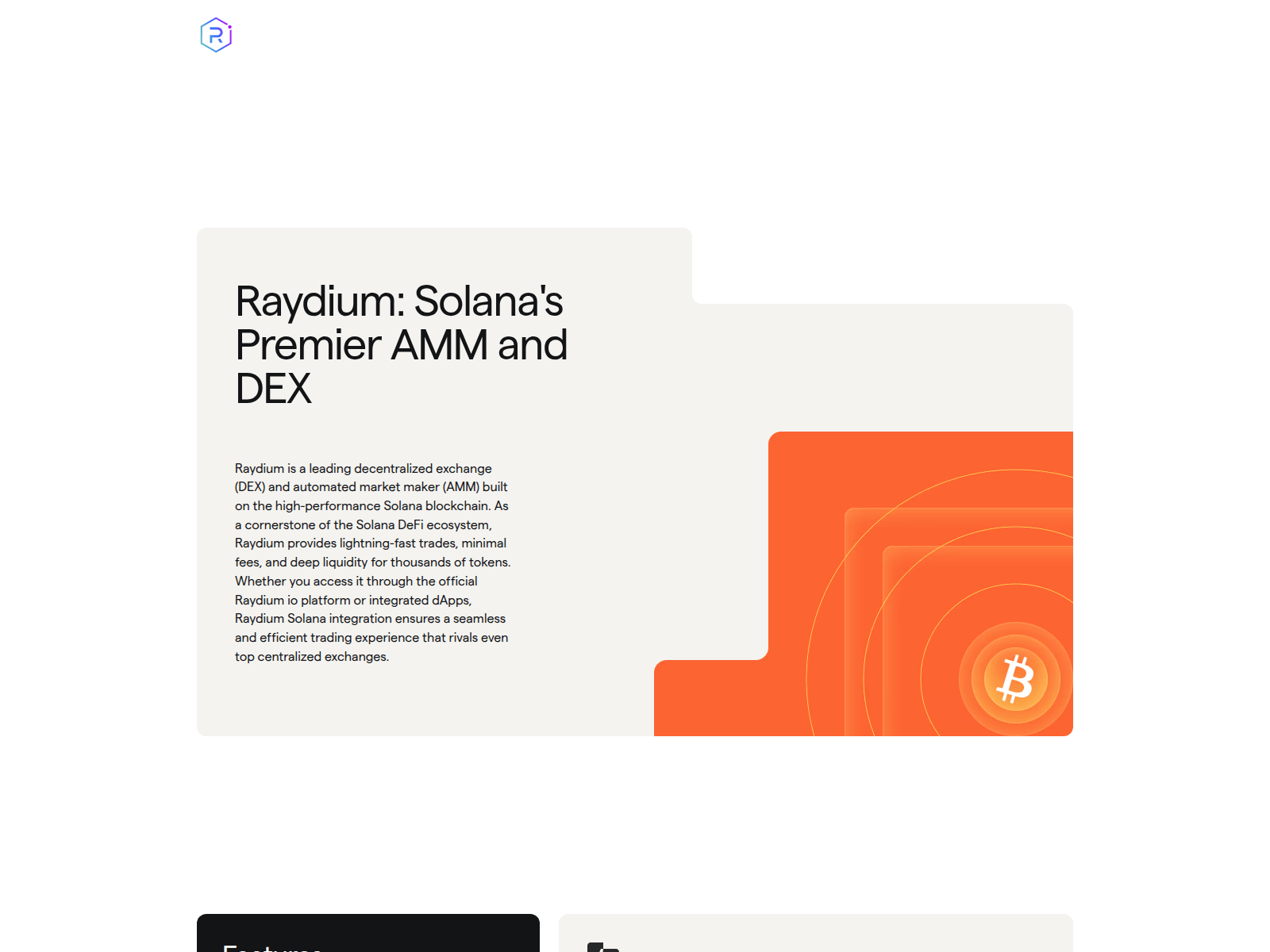
Analysis as of July 23 2026 indicates that the domain raydium.at was registered on February 21 2026 through the registrar Omegatech.sc. The site is served over HTTPS with a Let’s Encrypt certificate issued under the E7 cluster, confirming that the attacker obtained a valid TLS certificate. DNS resolution points to the IPv4 address 91.92.243.31, which is announced by AS202412 belonging to Omegatech LTD and geolocated in the Netherlands. The hosting stack is identified as Nginx with the OpenResty module, and the page loads external resources from Google Hosted Libraries and Google Font API, a common pattern among cryptocurrency‑related front‑ends. The page title returned by the server reads “Swap Raydium | DEX on Solana”, directly referencing the legitimate Raydium brand and reinforcing the impersonation claim.
VirusTotal records show that seven out of ninety‑three scanning engines have flagged the domain, indicating a moderate level of malicious confidence. Independent blocklist providers have listed raydium.at on three separate blocklists, and the domain is actively blocked by PhishDestroy, MetaMask, and SEAL, suggesting that the malicious payload is likely aimed at crypto wallet users. The nameservers a.dnspod.com, b.dnspod.com and c.dnspod.com belong to a public DNS service, which can be leveraged to quickly re‑point the domain if the current hosting is taken down, so future re‑use cannot be ruled out. At present no static content snapshot is publicly available, so the exact malicious functionality cannot be confirmed.
The presence of Google‑hosted libraries suggests the site may attempt to load a wallet‑connect script, but this remains speculative. The current status is offline, but the infrastructure components remain in place and could be re‑activated. Defenders should continue to monitor the IP address 91.92.243.
PD-20260220-DE23E6
| Detection System | Indicator | Verdict | Alert |
|---|---|---|---|
| OpenDNS | raydium.at |
phishing | Phishing Block |
١٠ مصادر خارجية مراقبة · لقطة محفوظة 11/08/2026
يستضيف عنوان IP الأصلي هذا العديد من مجالات التصيد الاحتيالي — وقد تتم مشاركة البنية التحتية عبر الحملات.
These domains also target Raydium users. View all Raydium threats →
التقارير المضافة مؤخرًا من قاعدة بيانات PhishDestroy. لا تتضمن روابط الاكتشاف هذه بنية تحتية أو ملكية مشتركة.
إذا أدخلت بيانات اعتماد الحساب أو المعلومات الشخصية أو معلومات الدفع أو قمت بتنزيل ملف من هذا النطاق، فاتخذ إجراءً فوريًا. فيما يلي موارد لمساعدتك في الإبلاغ عن الحادث وحماية نفسك.


حدد بلدك للحصول على الاتصالات الرسمية المتعلقة بالجرائم الإلكترونية أو إنشاء مسودة شكوى →.
تحليل التهديدات باستخدام قائمة الحظر المخزنة، وWHOIS، وDNS، وأدلة الفحص العامة
امسح الآنأرسل النطاقات المشبوهة إلى قاعدة بيانات التهديدات الخاصة بنا — ساهم في حماية المجتمع
إبلاغتقارير التصيد الاحتيالي الأخيرة وتغييرات التوفر الملحوظة
مراقبةراقب التهديدات في الوقت الفعلي أو اعترض على هذا الإدراج إذا كنت تعتقد أنه إنذار كاذب