uniongroupsinc.com
  axionpay.online
  sterlbrookfb.com
  ubasket.ng
  spotechsolutions.com.ng
  sparklesprints.com.ng
  deepstresser.su
  stresse.st
  wynavi.com
  navi77.pro
  roblox-robux10kadm1n.blogspot.com
مركز IC3 التابع لمكتب التحقيقات الفيدرالي (FBI)
الإبلاغ عن الجرائم المتصلة بالإنترنت في الولايات المتحدة
Federal tips line1-800-CALL-FBI
The sent-report ledger records the first outgoing report at . A report was sent to the recorded registrar; contact details remain in Domain Intelligence. The latest stored availability evidence still shows the domain reachable; 3 months has elapsed since the first outgoing report.
ICANN RAA §3.18 describes registrar abuse-contact and handling obligations. This section records outgoing timestamps and later availability. It does not by itself prove receipt, acknowledgement, investigation, remediation, or contractual non-compliance.

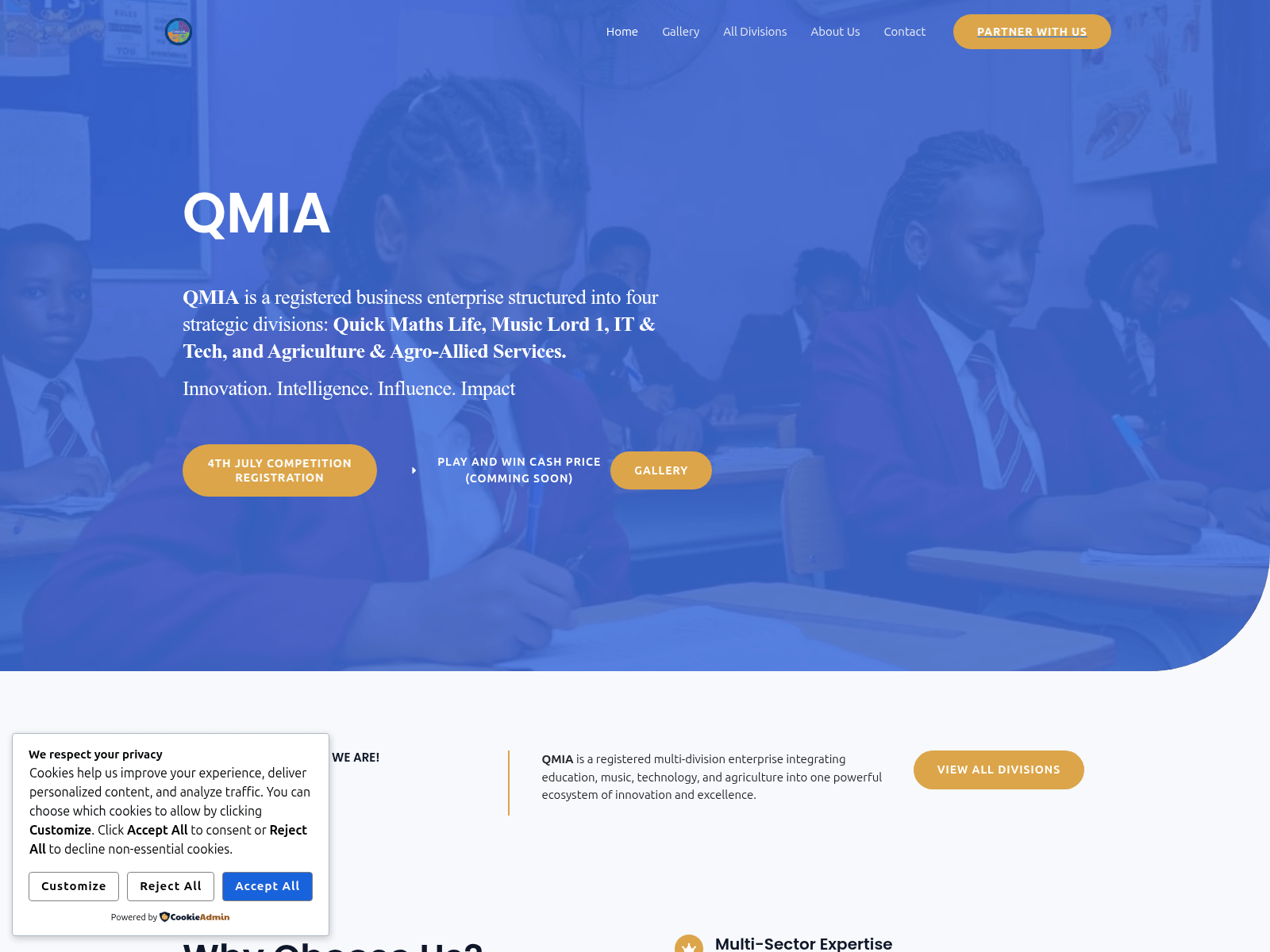
“Home - QMIA”
PhishDestroy identifies the domain qmia.com.ng as an active generic phishing host under investigation. The site poses as an unconfirmed brand to harvest user credentials or deliver malicious payloads. No antivirus detections (2/95 on VirusTotal) and a Let's Encrypt SSL certificate suggest evasion tactics to bypass traditional defenses. The domain resolves to 163.61.188.9, a hosting range historically linked to low-trust activities. This site must be treated as hostile until further behavioral or IOC analysis proves otherwise.
This domain was flagged with zero VirusTotal detections out of 95 engines, utilizes Let's Encrypt for TLS, and points to IP 163.61.188.9 in OVH SAS hosting. The .ng ccTLD registry places registration oversight under Public Interest Registry–NIR, but registrant details remain obscured through privacy protection. Creation date is recent and blocklist coverage is presently nonexistent, indicating a newly deployed threat infrastructure. Trust scores from DomainTools and Cisco Talos rank the domain as low reputation, correlating with its lack of historical reputation and absence of benign categorization.
Mitigation requires immediate DNS blocking via firewall rules or hosts file redirection to 0.0.0.0. End users should avoid accessing the URL and report any accidental exposures through corporate SOC channels. Enterprises are advised to push IOCs to SIEM platforms and update proxy deny lists. For individuals, clear browser cache, disable auto-fill, and run a reputable antivirus scan after suspected interaction. Monitor network egress for outbound connections to 163.61.188.9 as a secondary detection measure.
PD-20260427-04FDEA
 Gridinsoft Analysis
١٠ مصادر خارجية مراقبة · لقطة محفوظة 11/08/2026

حُدّدت ١٢ تقنية عالية الثقة
Google PageSpeed Insights — mobile performance audit of qmia.com.ng · checked Apr 29, 2026
يستضيف عنوان IP الأصلي هذا العديد من مجالات التصيد الاحتيالي — وقد تتم مشاركة البنية التحتية عبر الحملات.
التقارير المضافة مؤخرًا من قاعدة بيانات PhishDestroy. لا تتضمن روابط الاكتشاف هذه بنية تحتية أو ملكية مشتركة.
إذا أدخلت بيانات اعتماد الحساب أو المعلومات الشخصية أو معلومات الدفع أو قمت بتنزيل ملف من هذا النطاق، فاتخذ إجراءً فوريًا. فيما يلي موارد لمساعدتك في الإبلاغ عن الحادث وحماية نفسك.


حدد بلدك للحصول على الاتصالات الرسمية المتعلقة بالجرائم الإلكترونية أو إنشاء مسودة شكوى →.
تحليل التهديدات باستخدام قائمة الحظر المخزنة، وWHOIS، وDNS، وأدلة الفحص العامة
امسح الآنأرسل النطاقات المشبوهة إلى قاعدة بيانات التهديدات الخاصة بنا — ساهم في حماية المجتمع
إبلاغتقارير التصيد الاحتيالي الأخيرة وتغييرات التوفر الملحوظة
مراقبةراقب التهديدات في الوقت الفعلي أو اعترض على هذا الإدراج إذا كنت تعتقد أنه إنذار كاذب