ابحث في النطاقات الخاضعة للمراقبة وراجع الأدلة المخزنة وعمليات الكشف وأحدث حالة التوافر التي تمت ملاحظتها.
196,128
الإجمالي المتتبع
196,128
تم الكشف عن VT
94,152
شوهد آخر مرة نشطًا
98,080
غير متوفر عند آخر تحقق
0
في انتظار الموافقة من VT
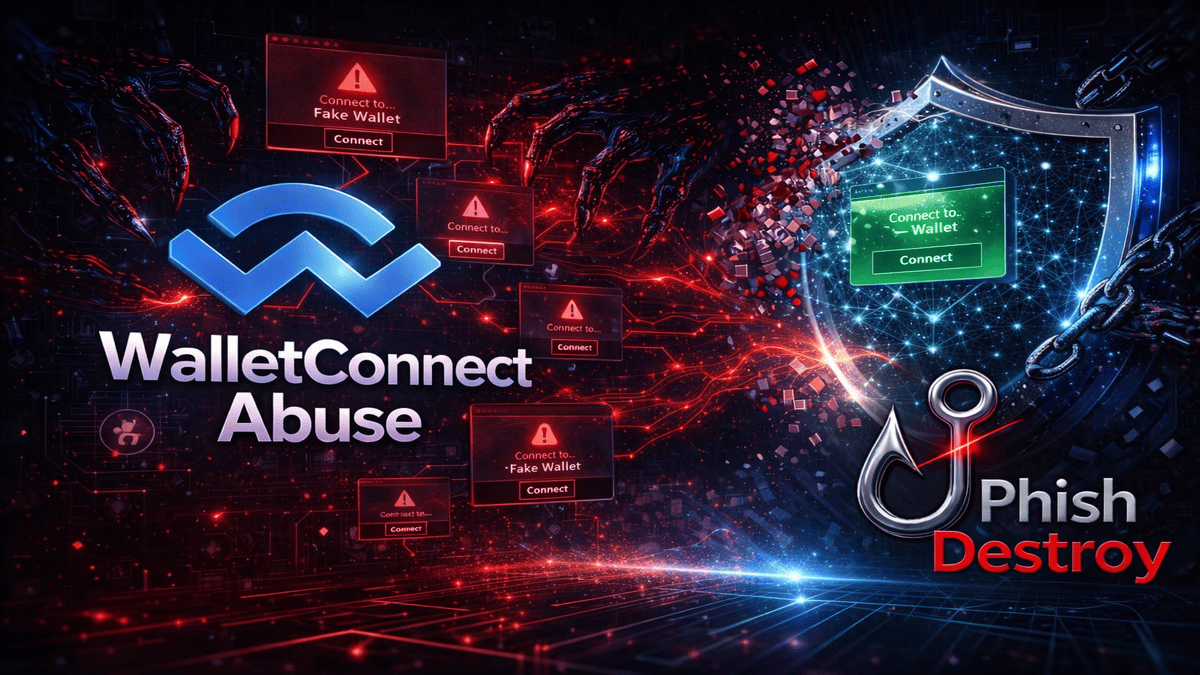
How This Attack Works
WalletConnect Abuse involves deceptive tactics to exploit users of cryptocurrency platforms. Understanding these steps can help in prevention.
STEP 1
Creation of Fake النطاقات
Attackers create fake domains that mimic legitimate cryptocurrency platforms to lure victims.
STEP 2
Deployment of Phishing Pages
Phishing pages are set up on these domains to capture user credentials and wallet information.
STEP 3
Execution of Malicious Code
JavaScript and other scripting languages are used to execute malicious code that intercepts user data.
STEP 4
Unauthorized Transactions
Stolen credentials are used to authorize transactions, draining victims’ wallets.
Technical Analysis
WalletConnect Abuse often involves the creation of phishing sites that mimic popular cryptocurrency service providers. Attackers use sophisticated scripts to manipulate the WalletConnect protocol, intercepting the authentication process. This includes the use of JavaScript to capture private keys and signatures when users attempt to connect their wallets. Infrastructure-wise, attackers frequently utilize content delivery networks like Cloudflare to host phishing sites, taking advantage of high availability and speed. Additionally, smart contracts are sometimes manipulated to automatically approve transactions that transfer funds to the attacker’s address without the victim's explicit consent.
Real Cases
The Opensea Phishing Incident (2024)
$2 million stolen
A phishing campaign targeting Opensea users resulted in significant financial losses and credential theft.
Vercel App Scam (2023)
$1.5 million stolen
Attackers used fake Vercel app domains to trick users into revealing wallet information, leading to unauthorized access.
Marketplace-Art Fraud (2024)
$3 million stolen
Fraudulent marketplace-art domains were used to deceive users into connecting their wallets, resulting in asset theft.
How to Detect
Unfamiliar domain names mimicking legitimate services
Requests for private keys or seed phrases
Unexpected transaction requests
Poor website design or misspellings
Limited or no HTTPS security
How to Protect Yourself
1
Always verify domain authenticity
2
Enable two-factor authentication
3
Use hardware wallets for transactions
4
Regularly update security software
5
Educate yourself on common phishing tactics
Frequently Asked Questions
Data sourced from PhishDestroy threat intelligence database — 1,673 domains tracked for this threat type
WalletConnect Abuse 1,673 domains
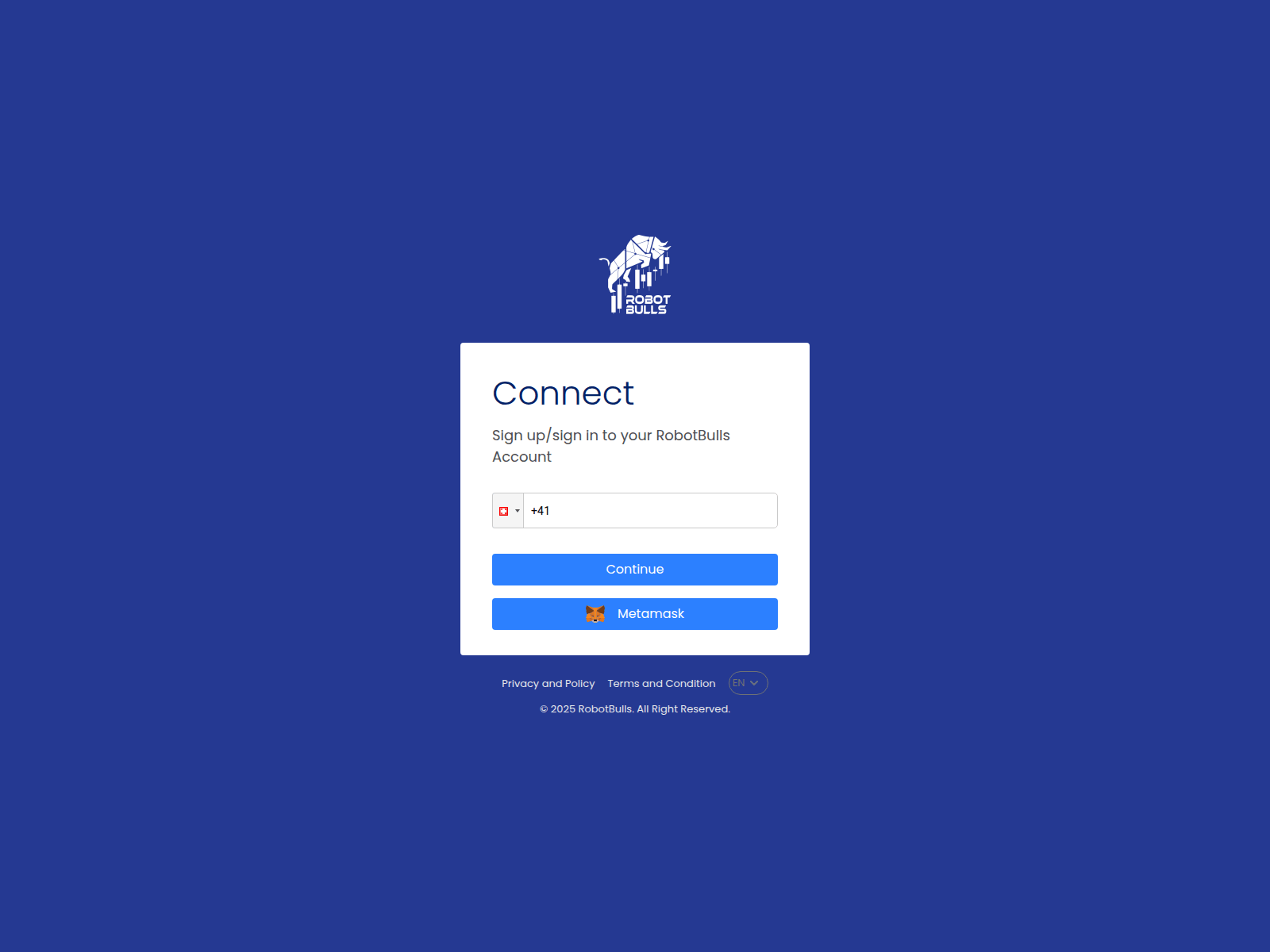

x2h3q-jaaaa-aaaan-qmwdq-cai.icp0.io
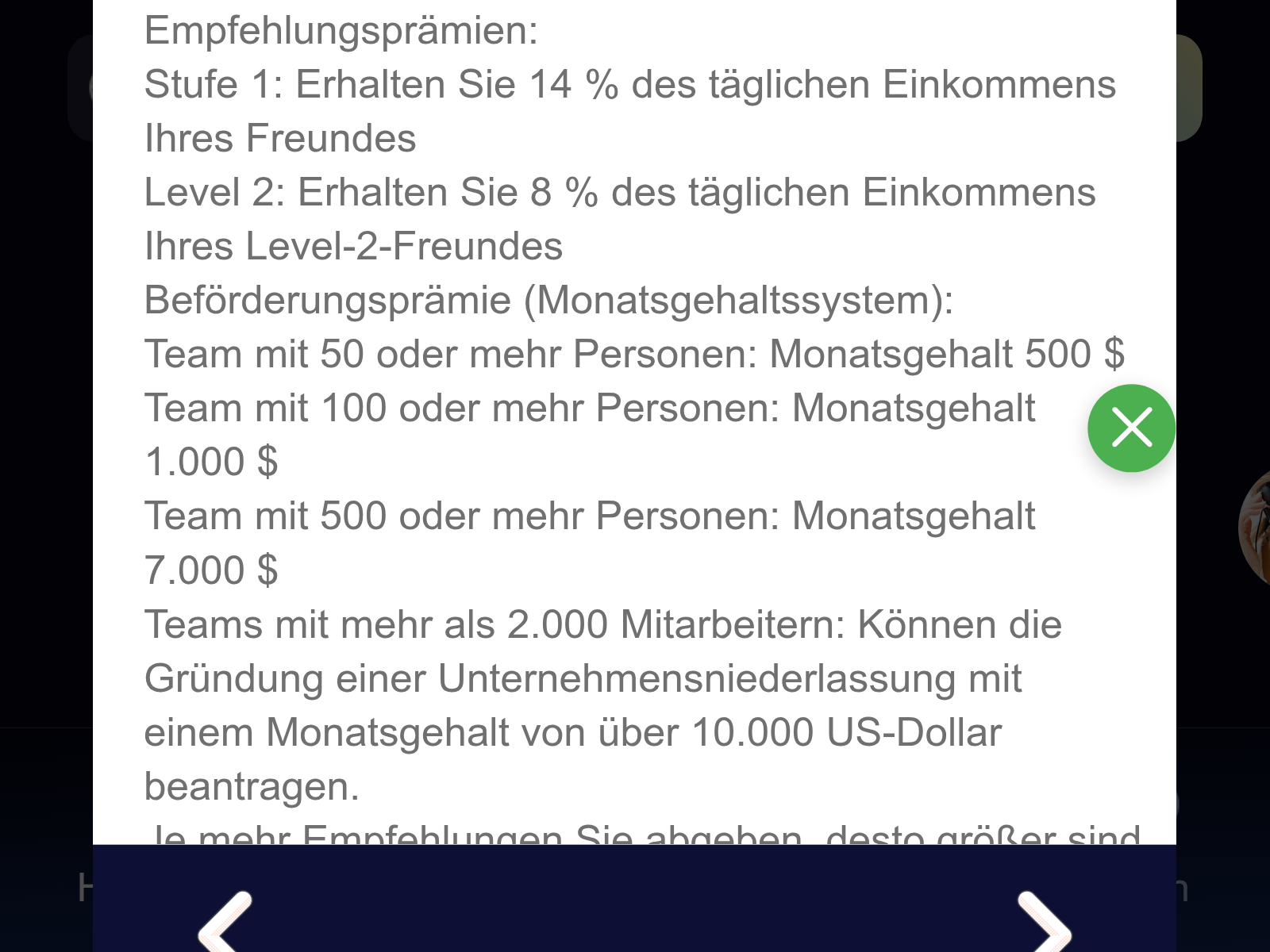
xwt.chardness.com
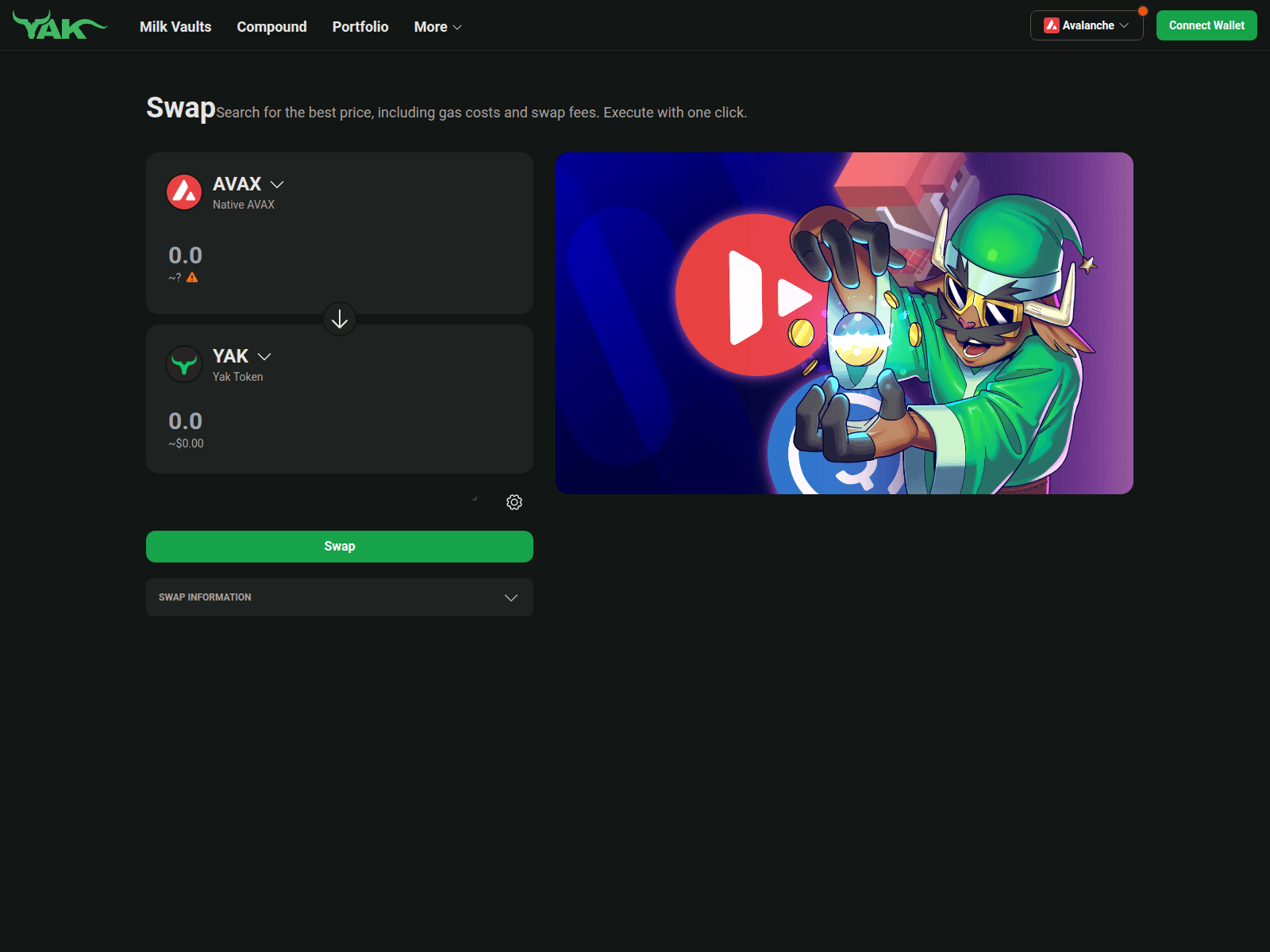
yield-yak.net
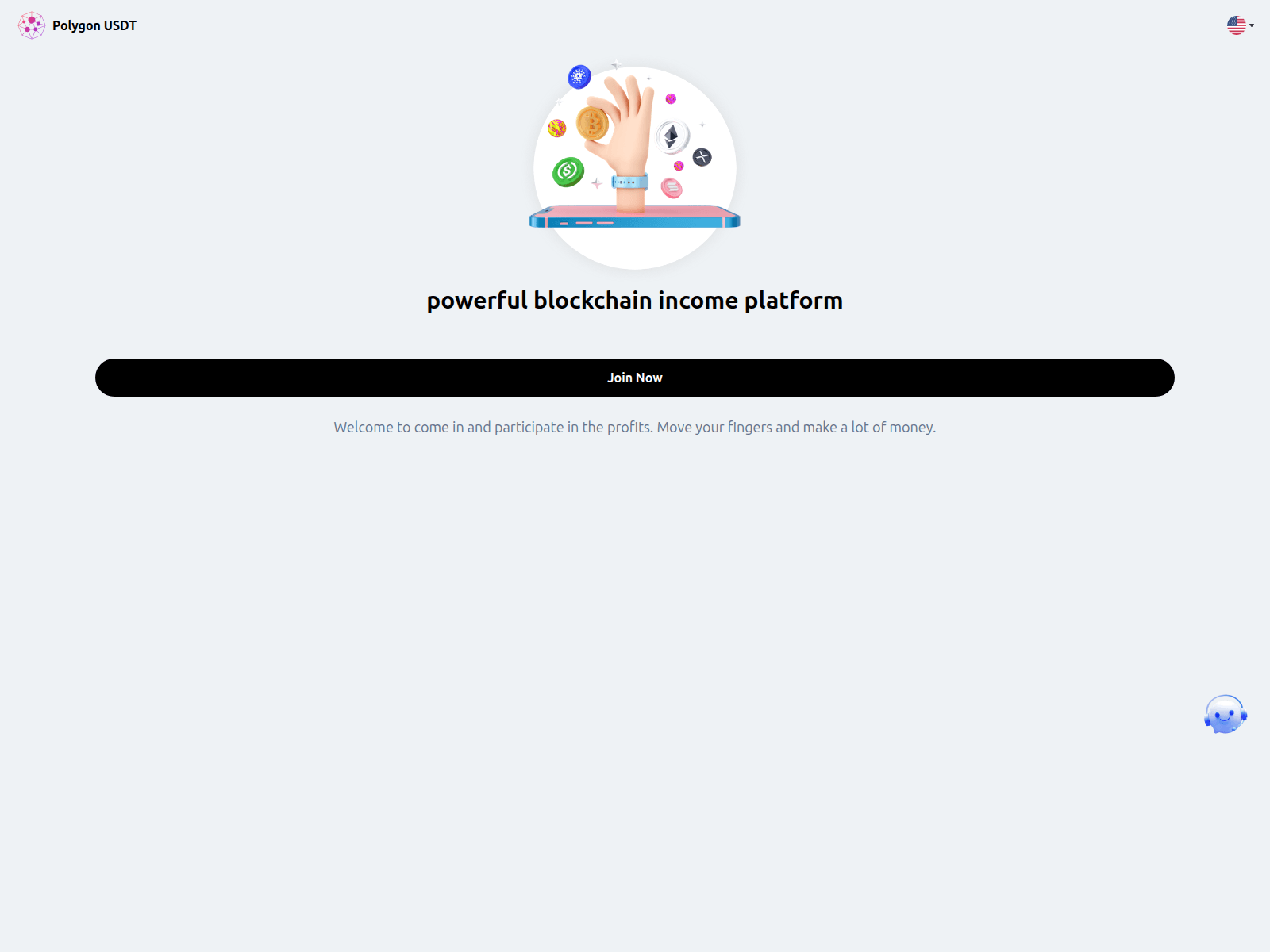
yyp11.net
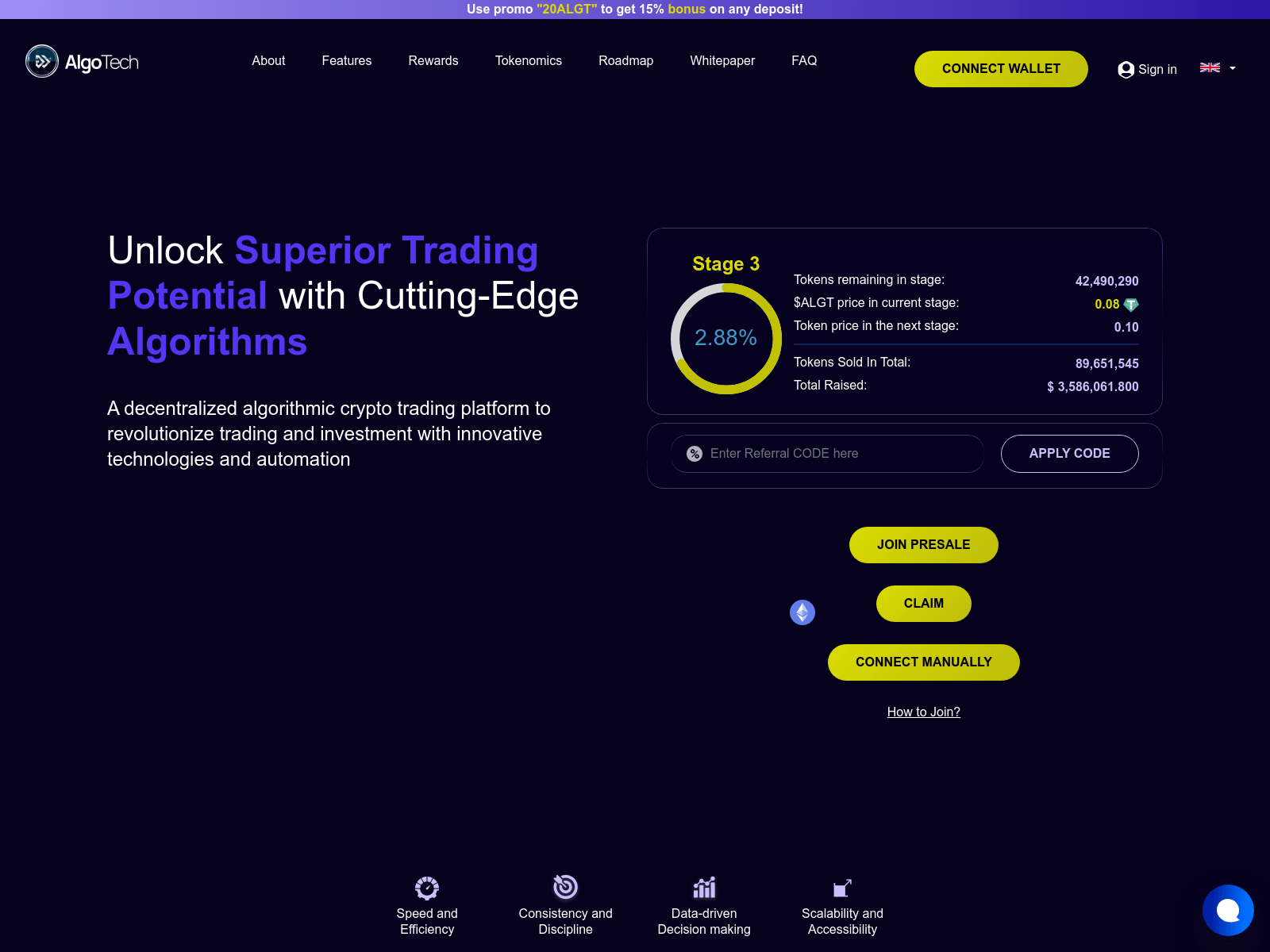
algotech.trade
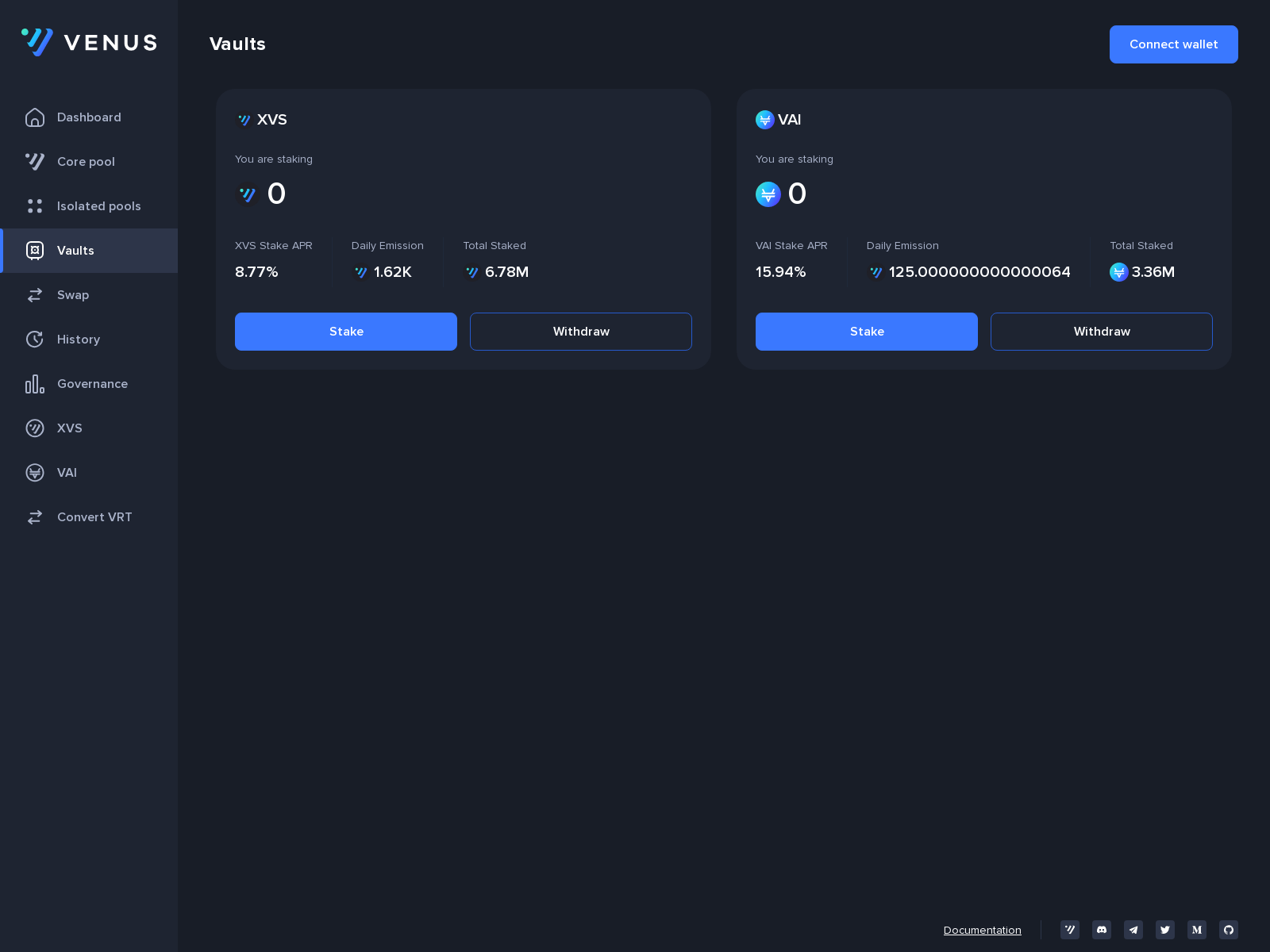
appvenus.io
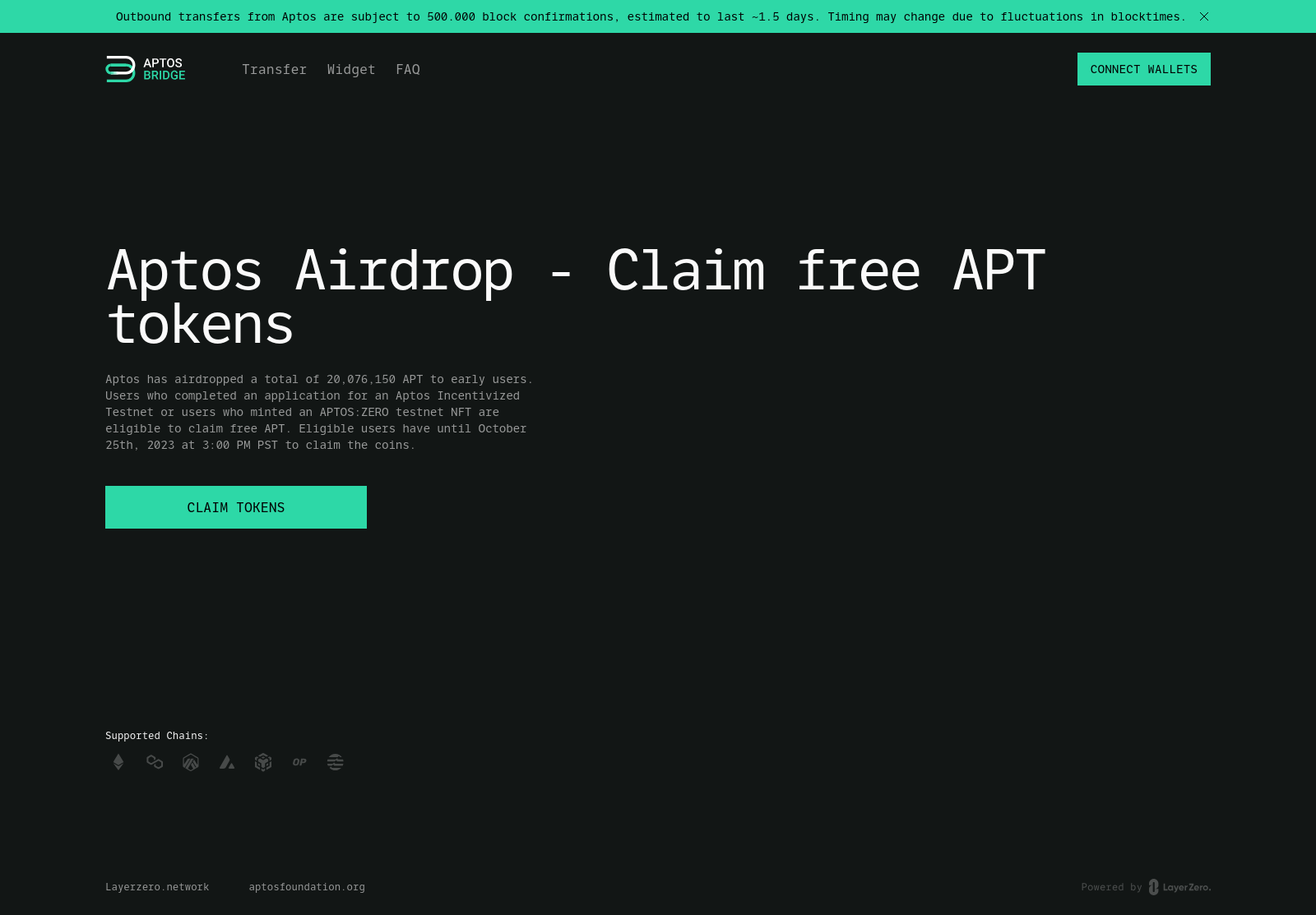
aptos-allocation.com
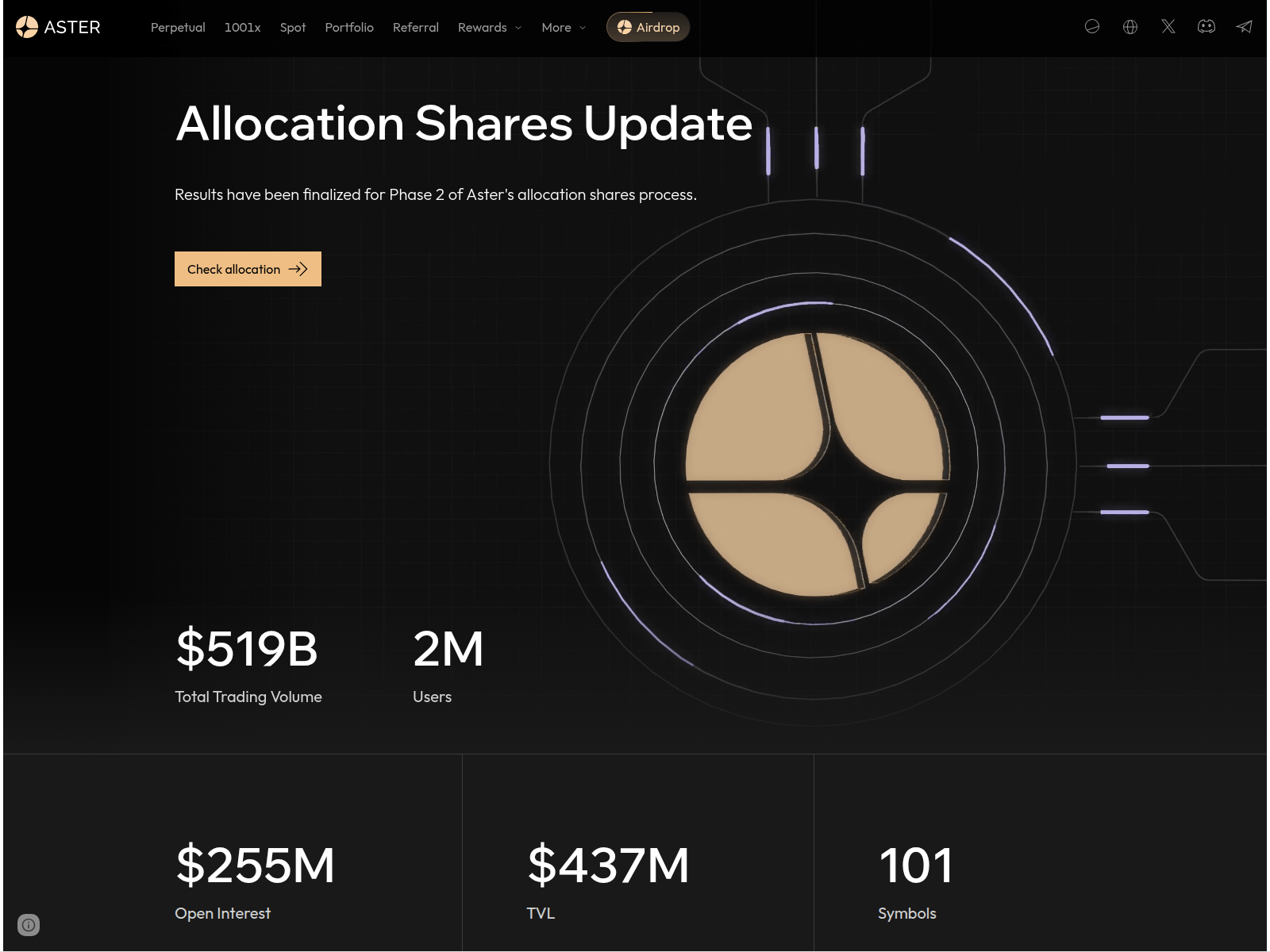
asterdex-votings.com
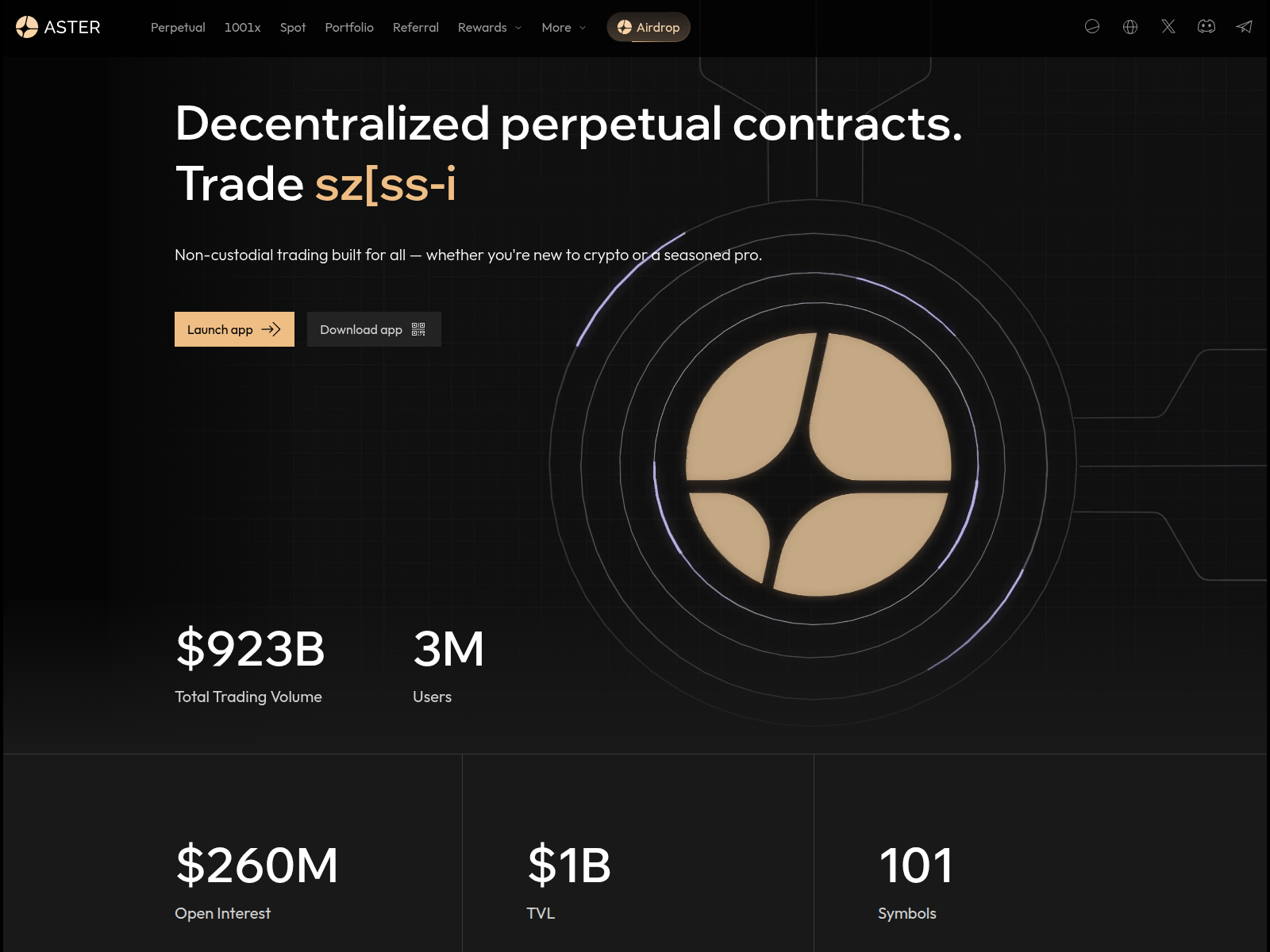
asterdex.pw
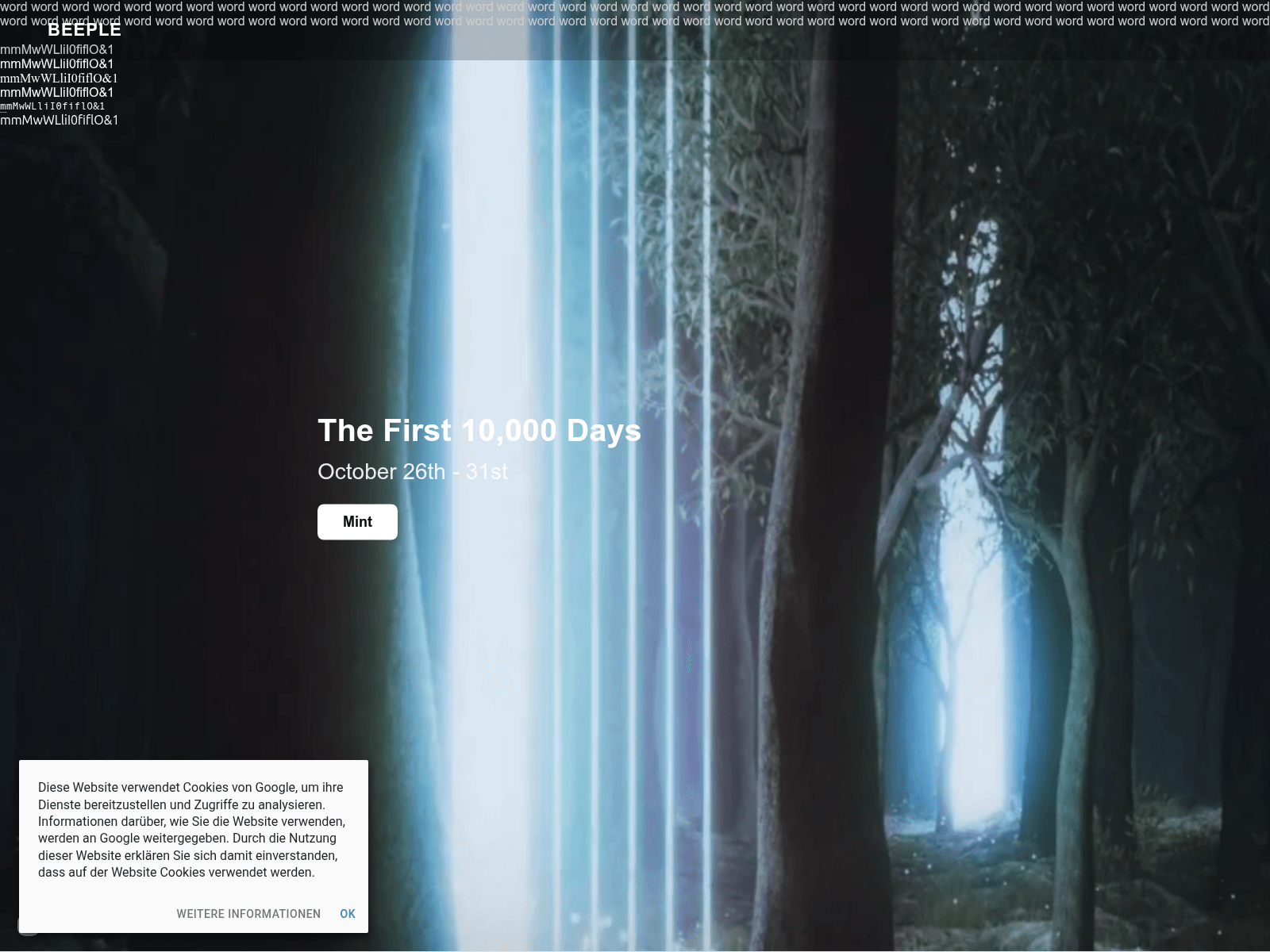
beeplecrap-mint.com
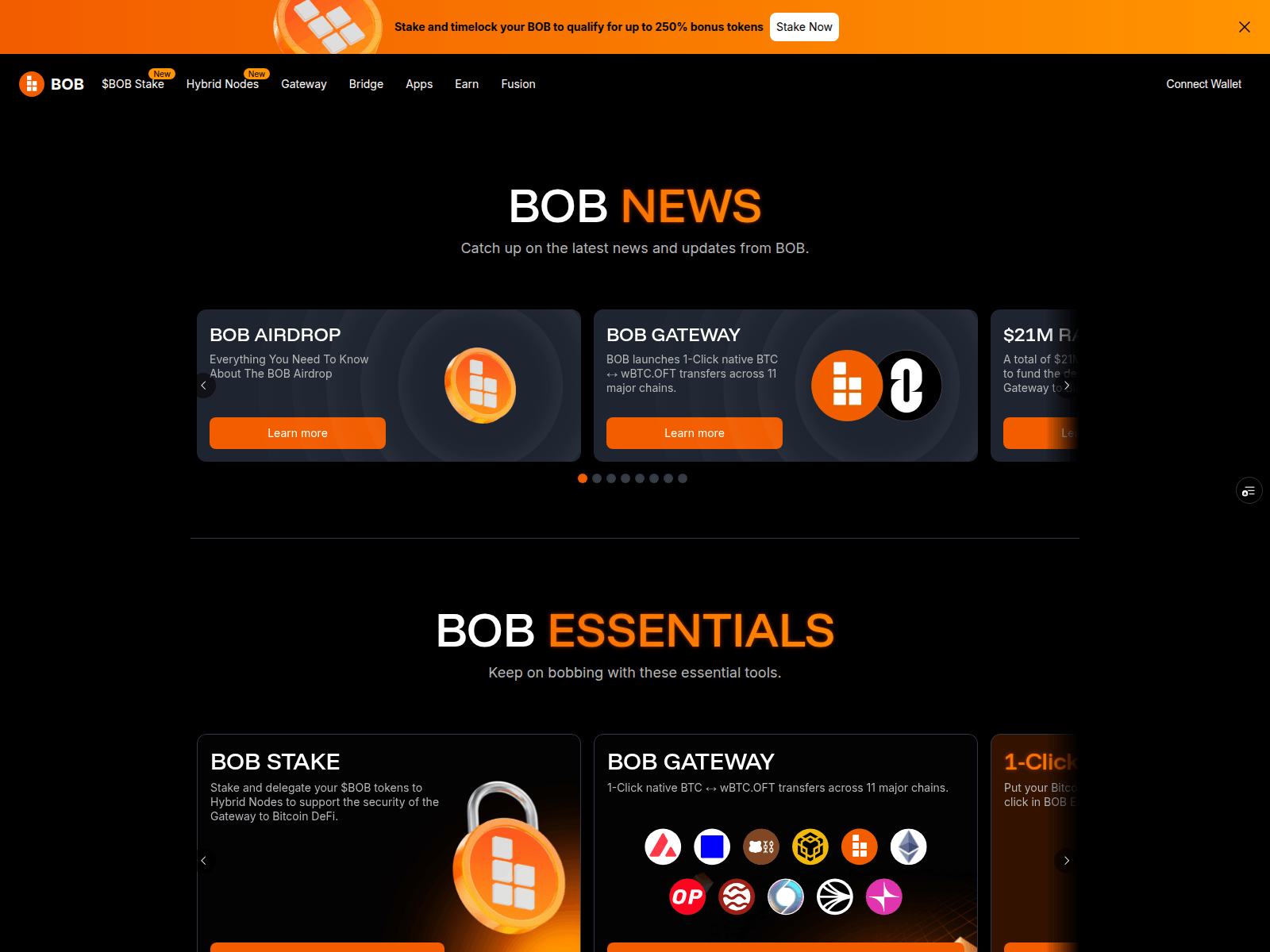
bob-mainnet-kle9if02h-distributed-crafts.vercel.app
bob-mainnet-staging.vercel.app
bob-sepolia-jnlut6zb3-distributed-crafts.vercel.app
bob-sepolia-k50ei2mp5-distributed-crafts.vercel.app
bob-sepolia-r0iniojdx-distributed-crafts.vercel.app
buyback-lurkys.com
chainopera-register.com
chainstats.info

chainstats.net
claim-kitefoundation.com
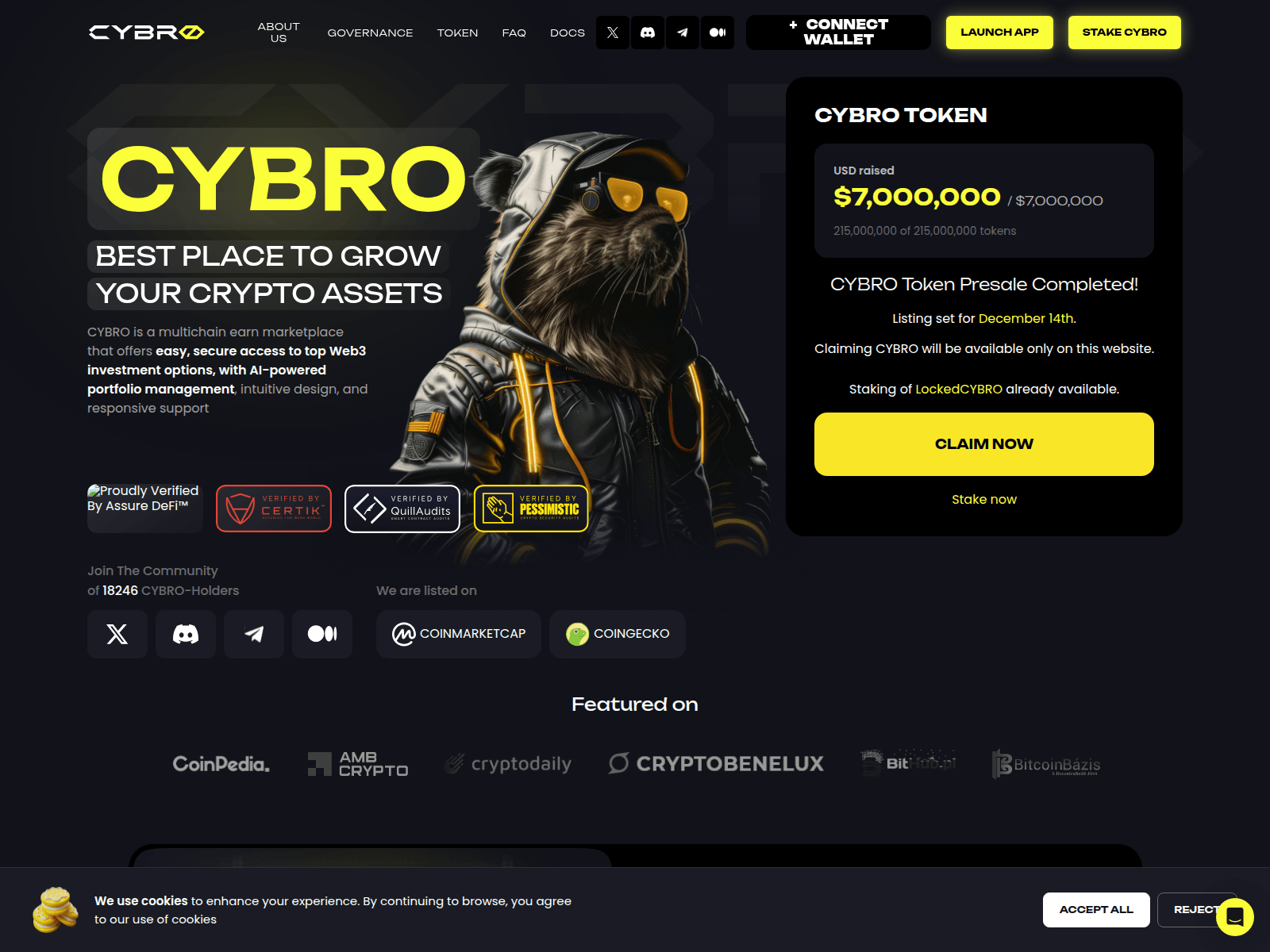
claim.stakecybro.live

clankers-vote.com
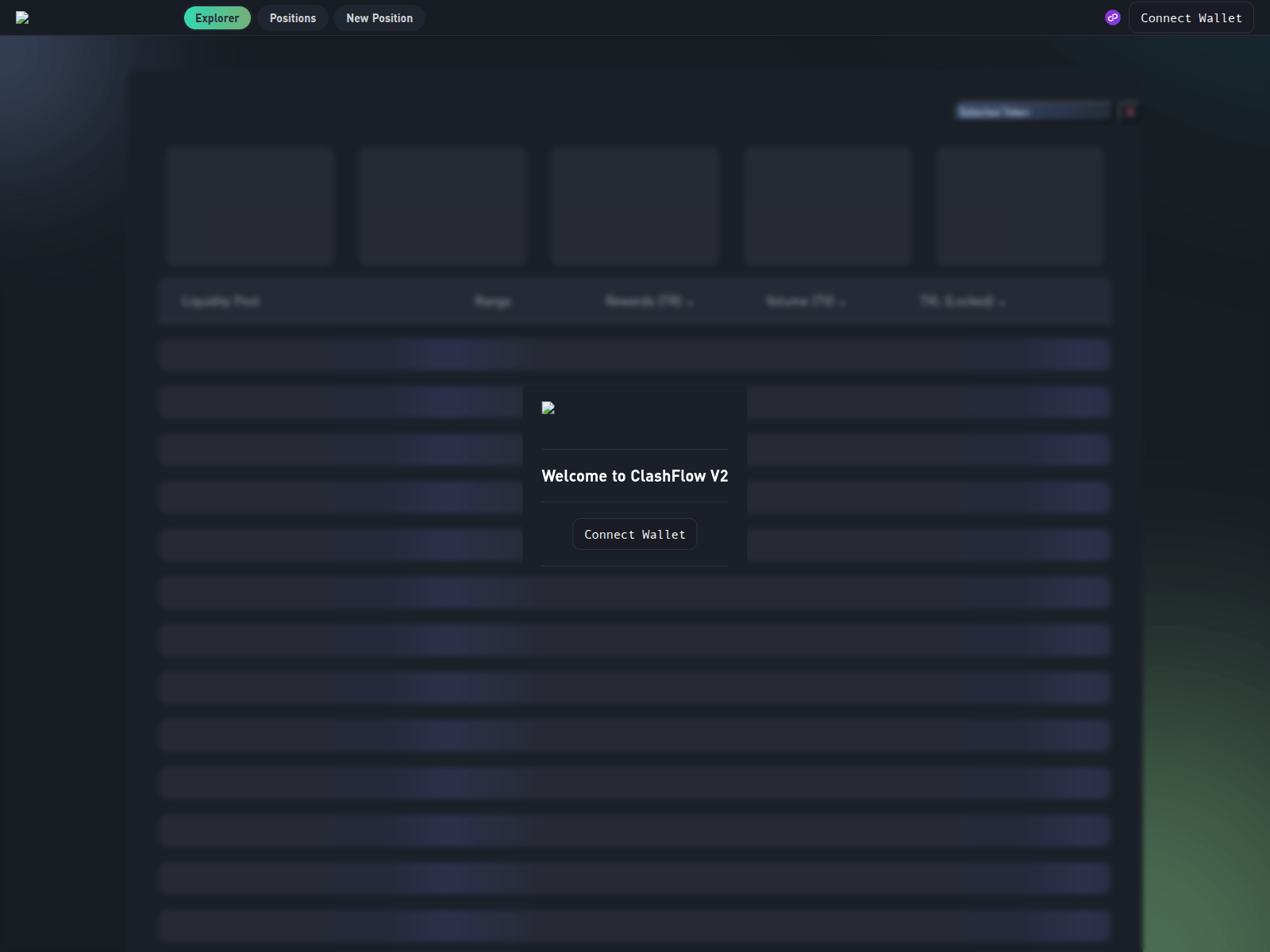
clashflow.finance

cypher.votings.workers.dev
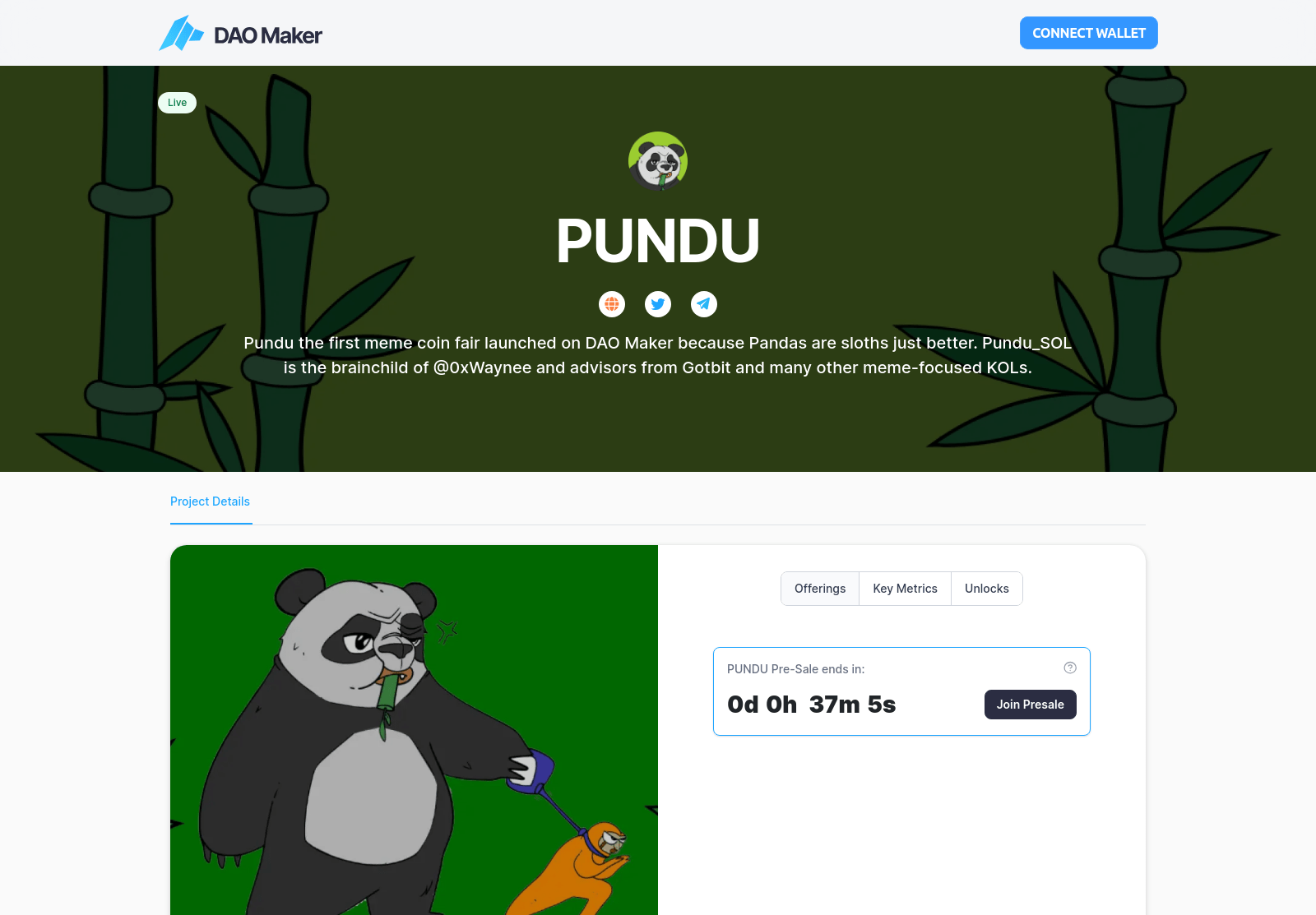
daomaker.lat
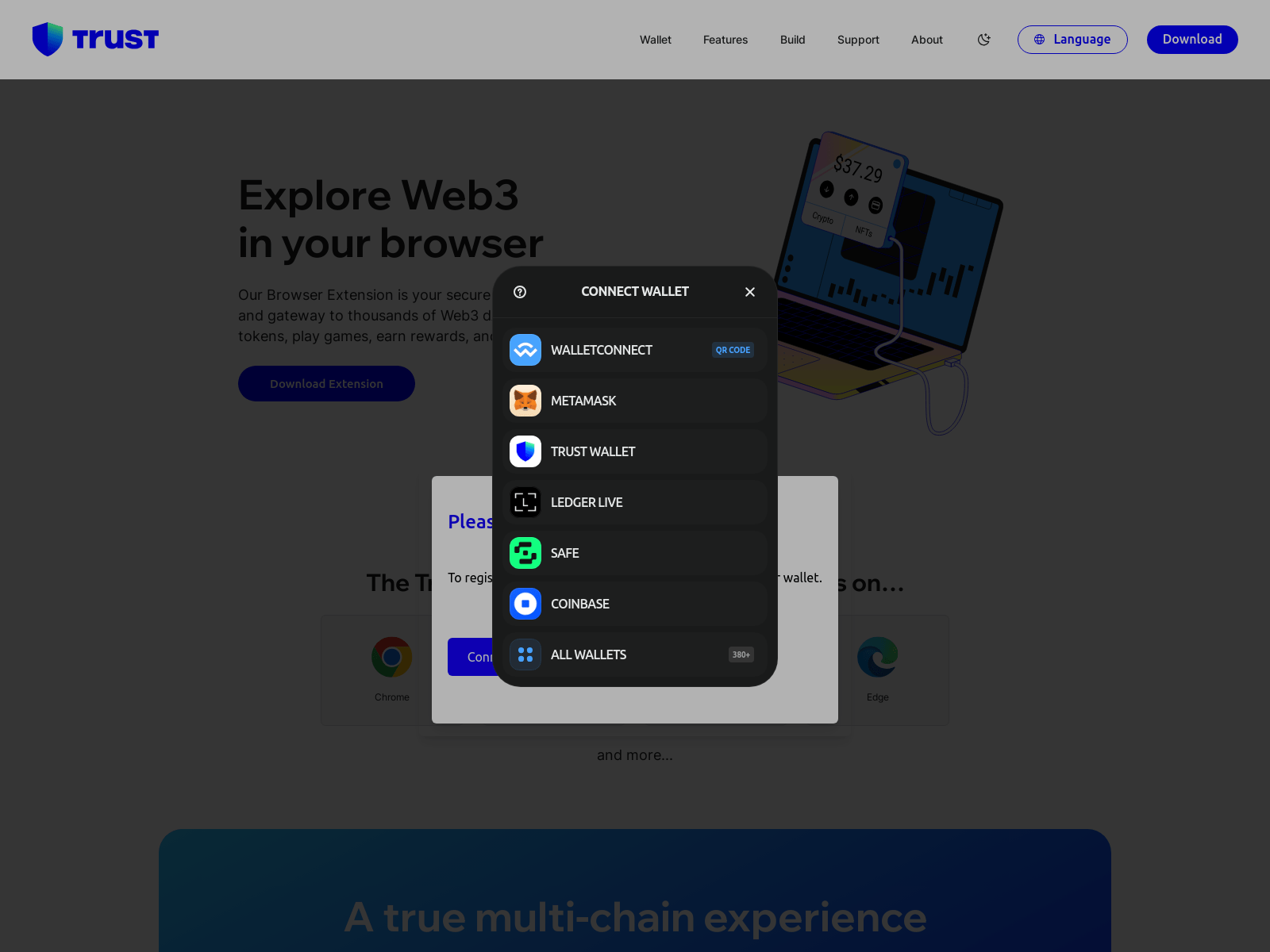
dappextension.info
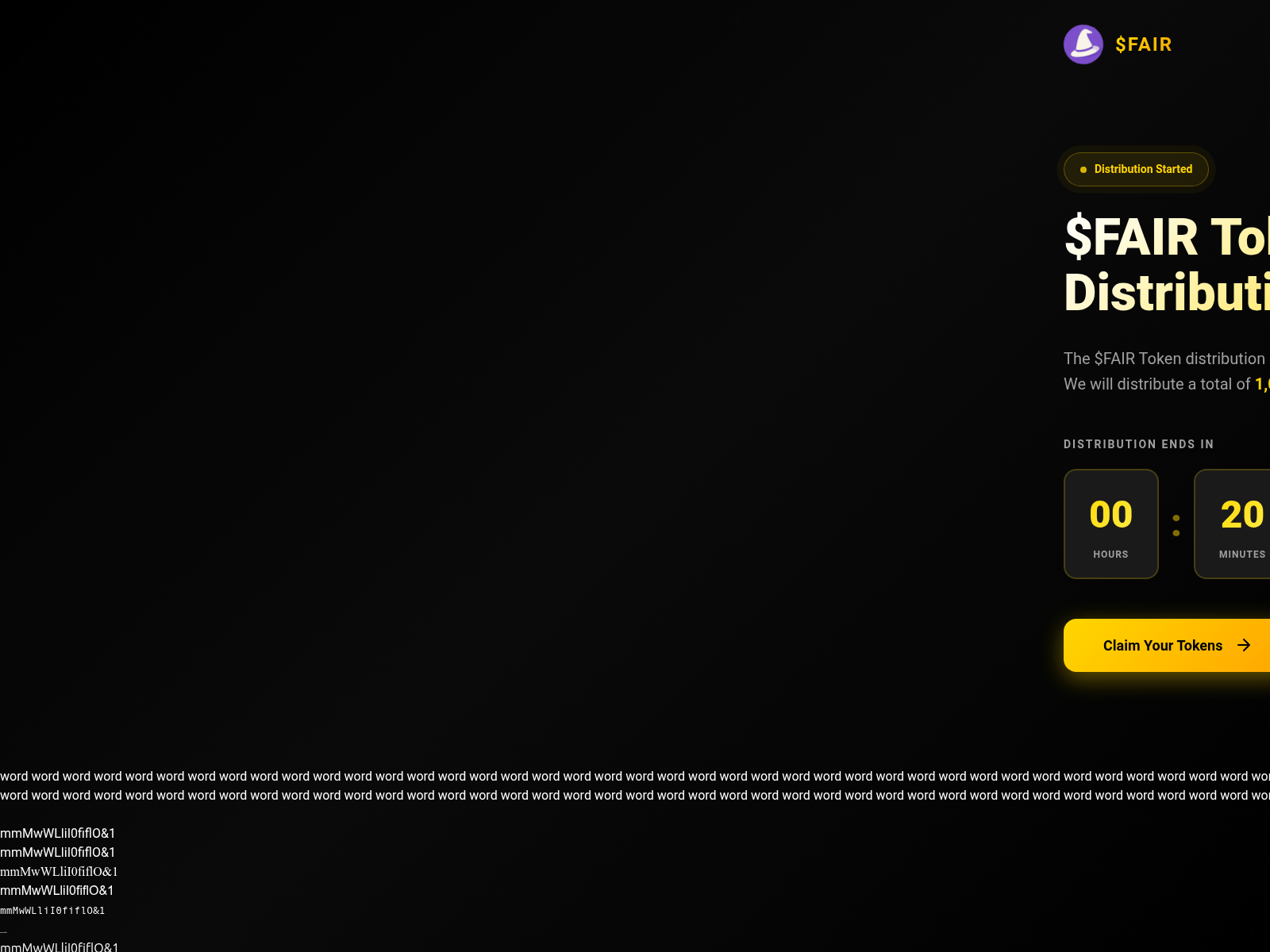
eligibility-faircaster.com
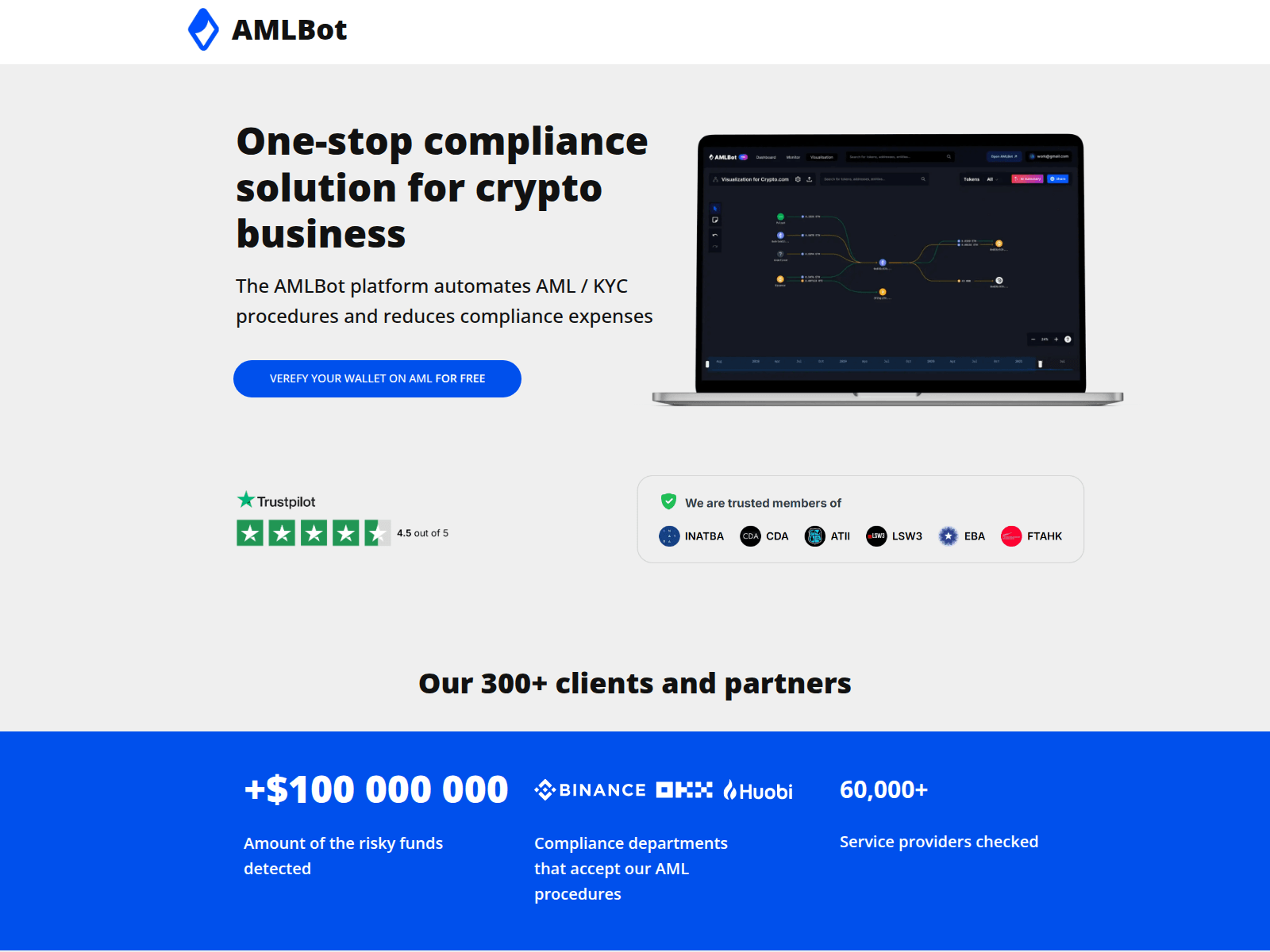
erc20scan.com
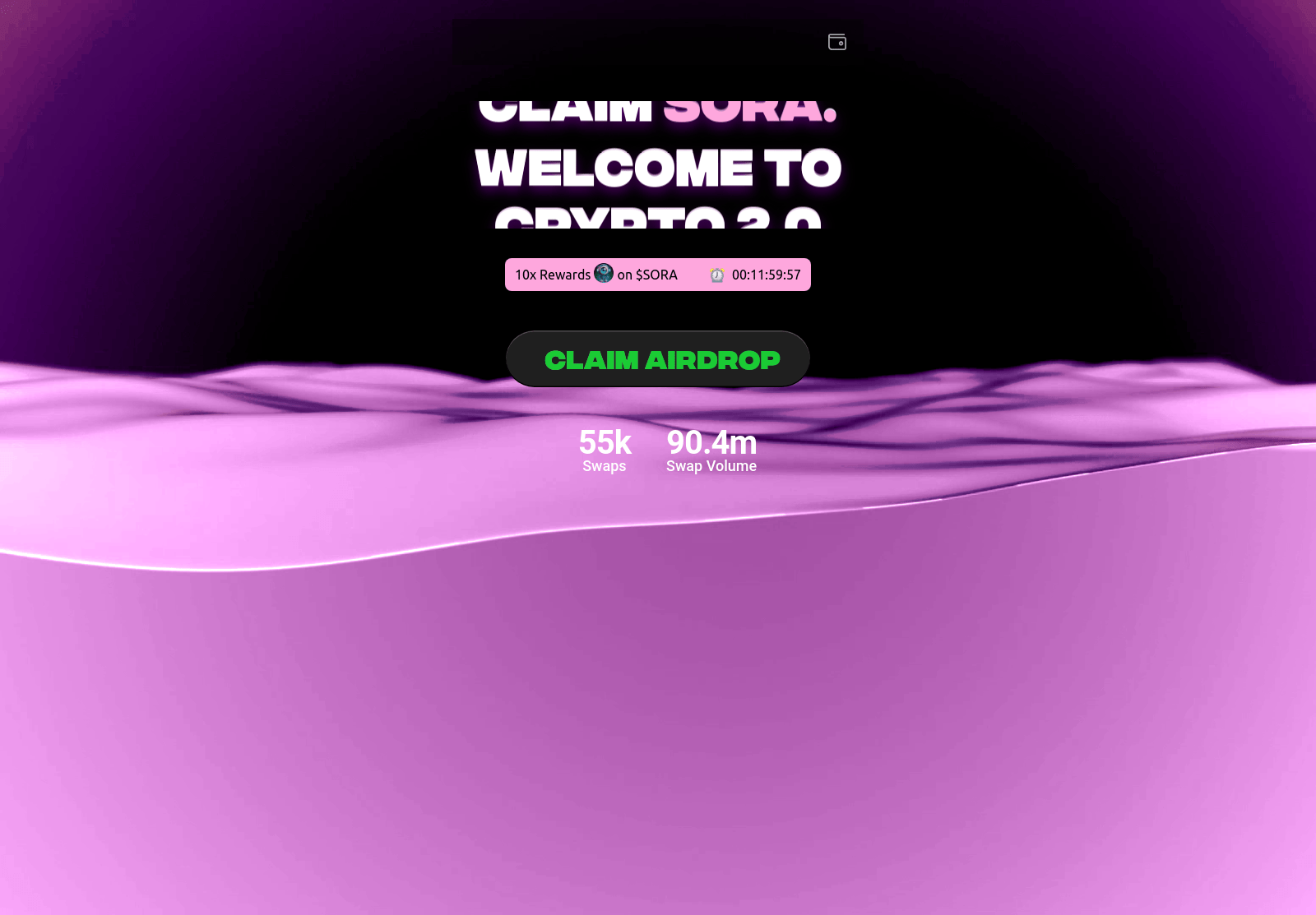
ethersdrops.org

facy-voting.com

hamstr.art
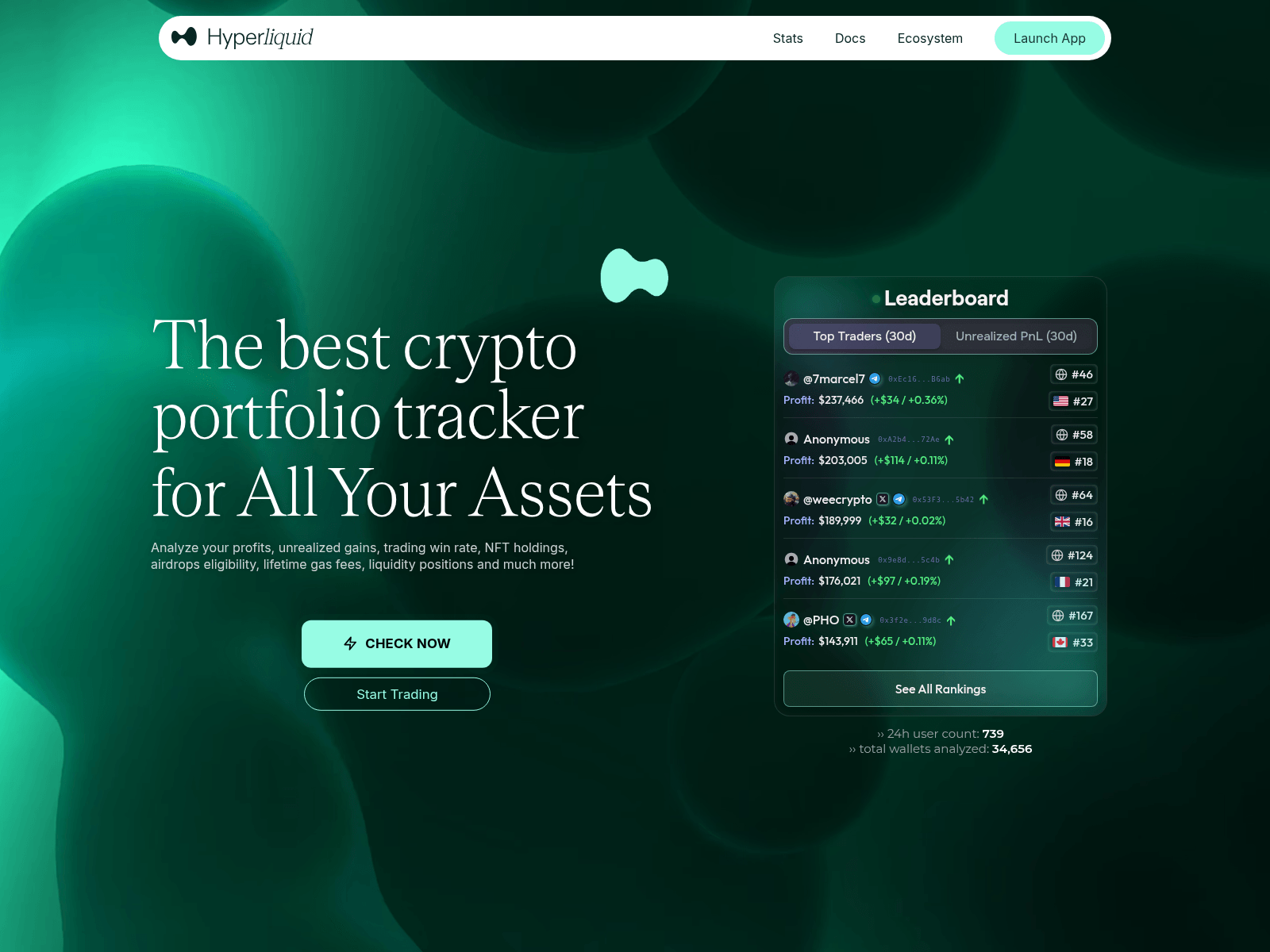
hyperliquid-tracing.web.app
hyperliquid.hedgeempire.fun
lnscribe.app

manyushib.votings.workers.dev

mavv.work
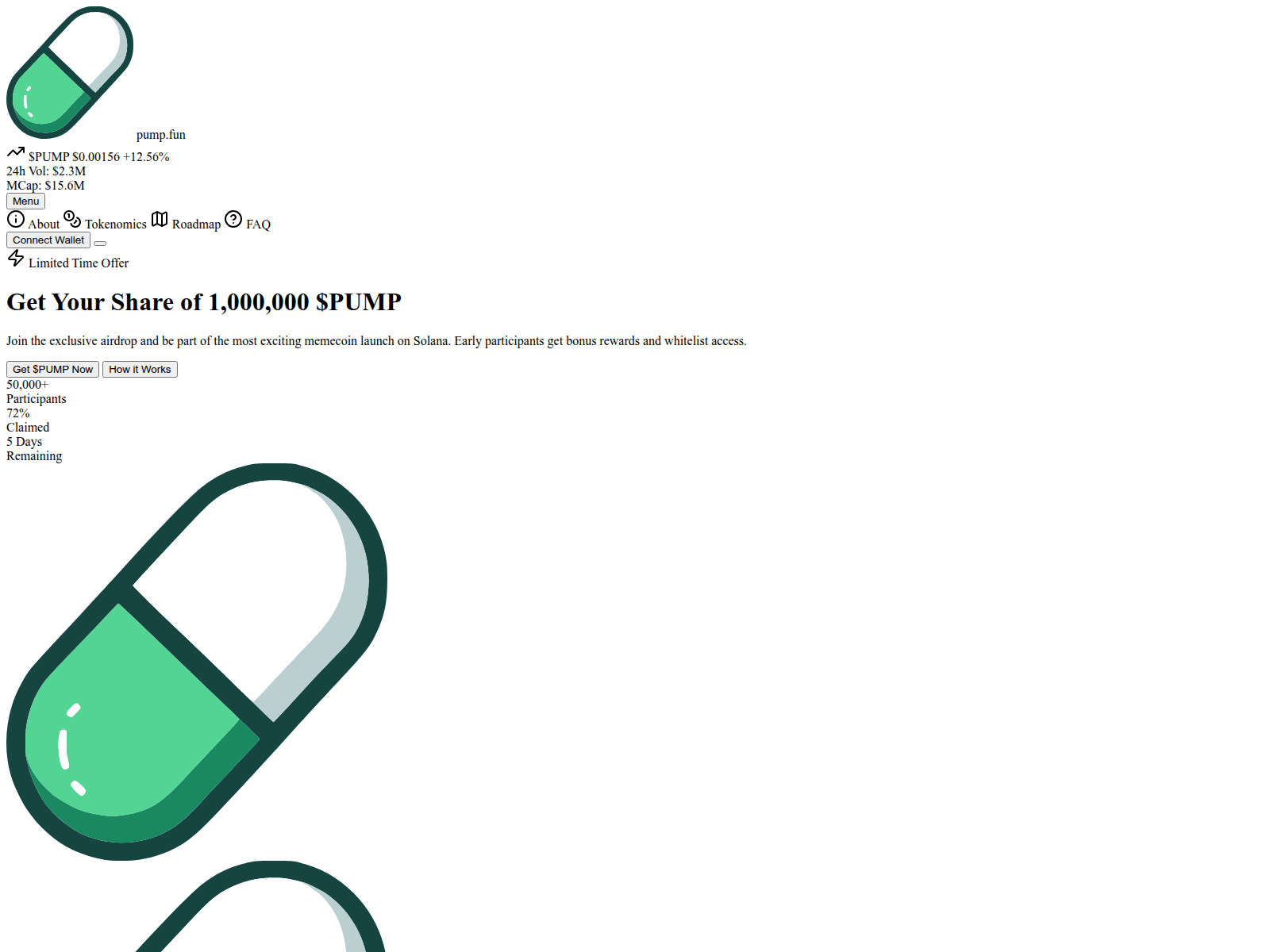
memecoinpump.fun
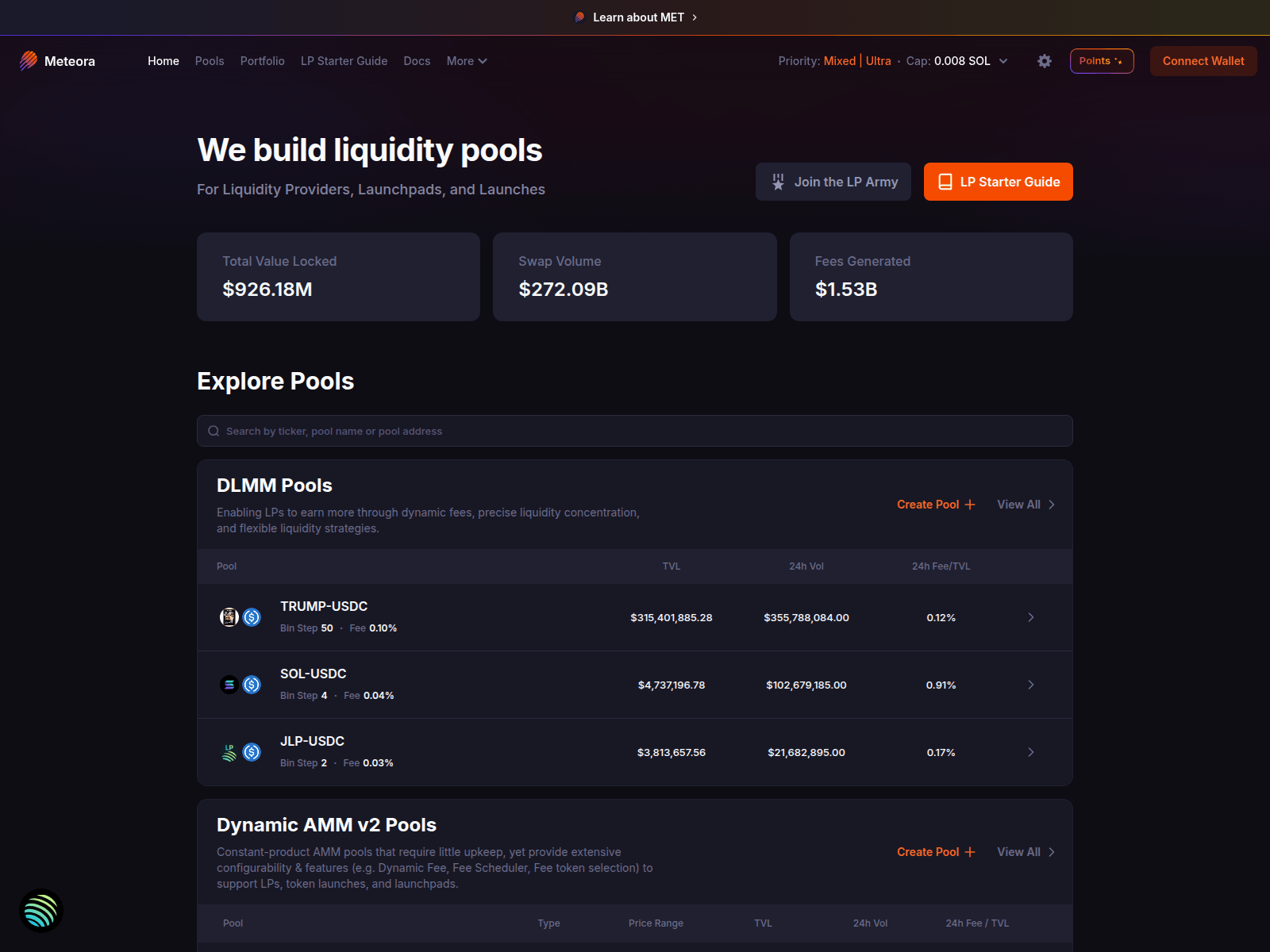
meteorateam.lat
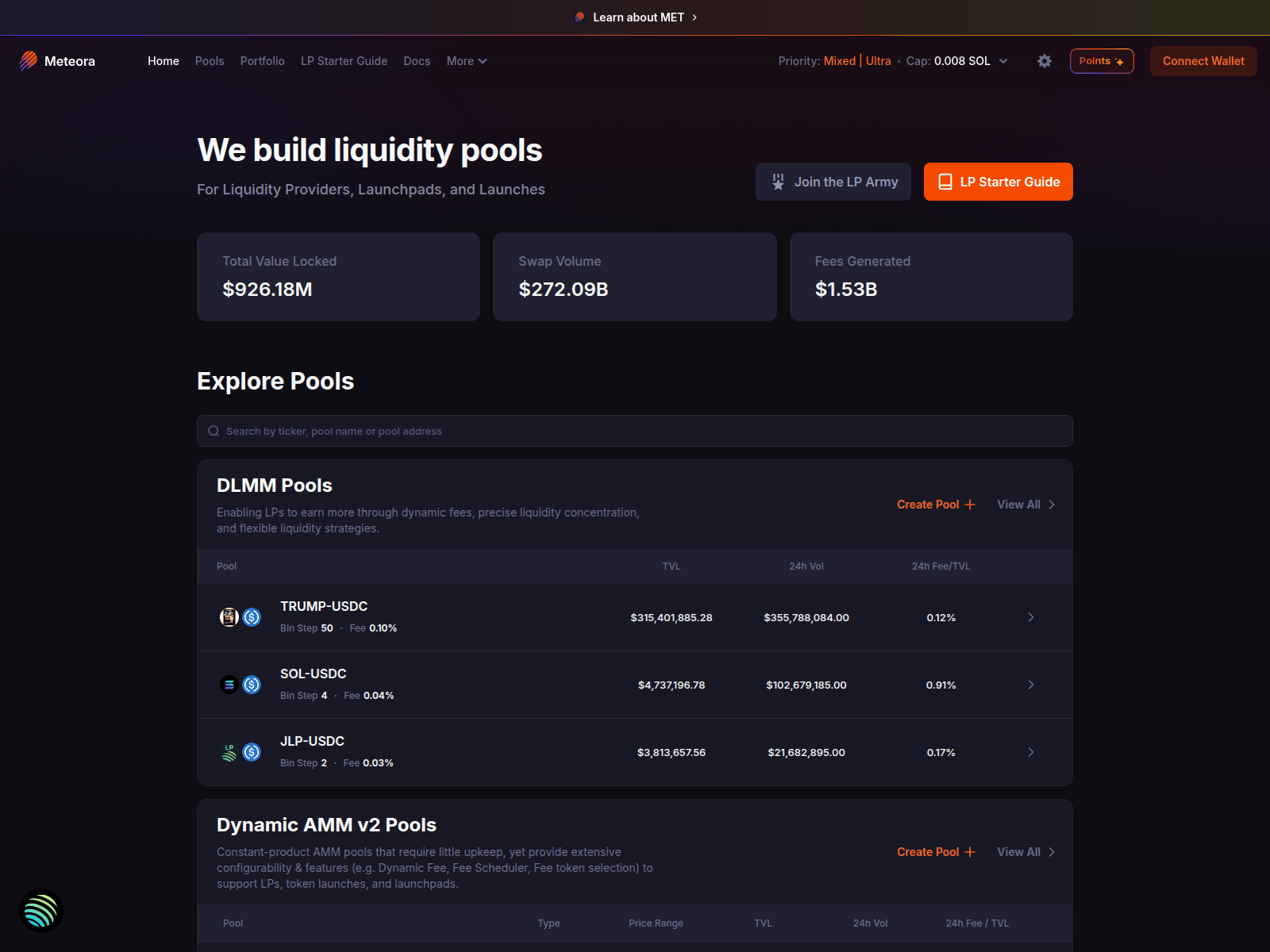
meteorateam.lol
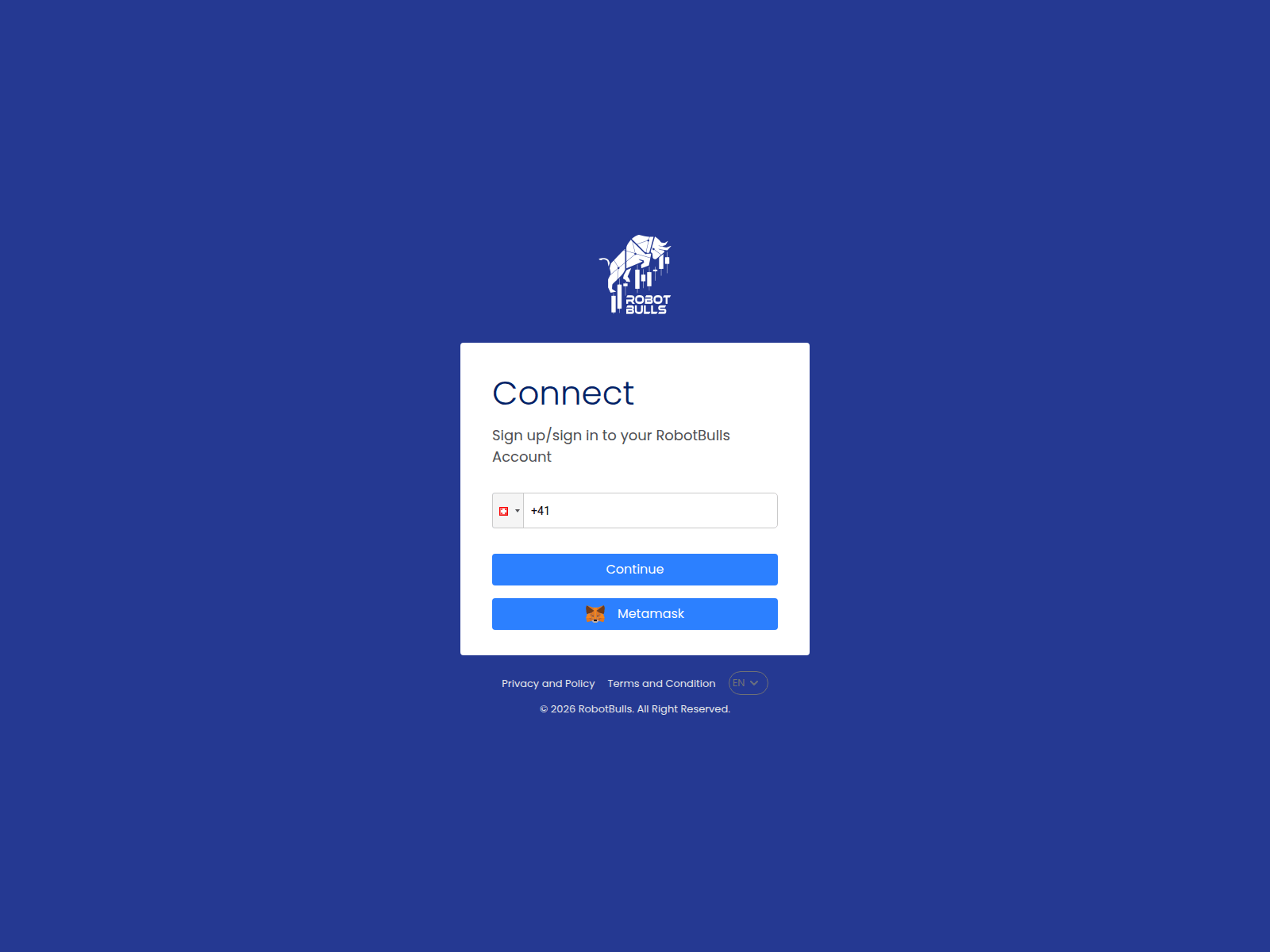
nnvtz-uqaaa-aaaah-qpuuq-cai.icp0.io
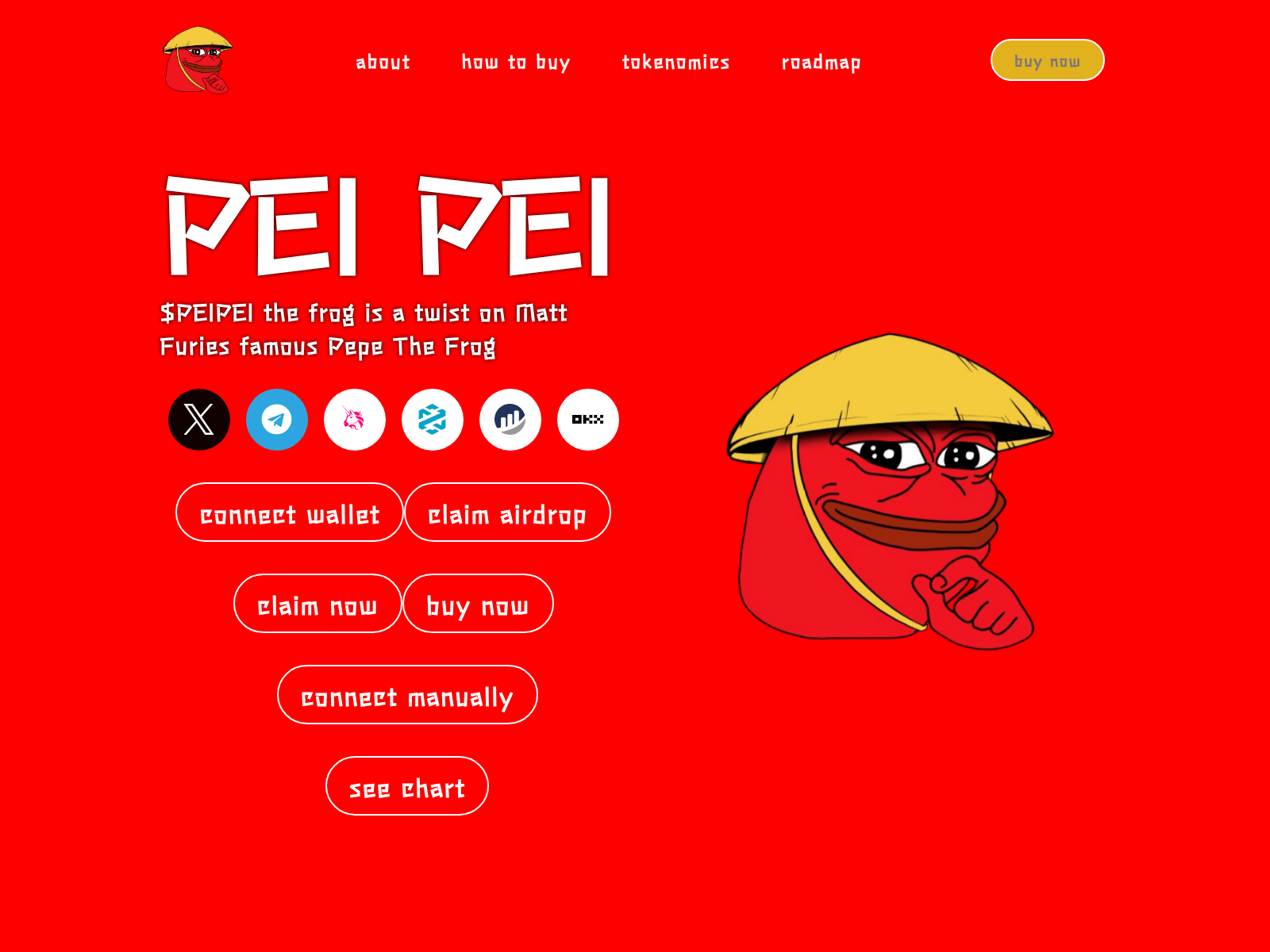
peipeicoins-ai.web.app
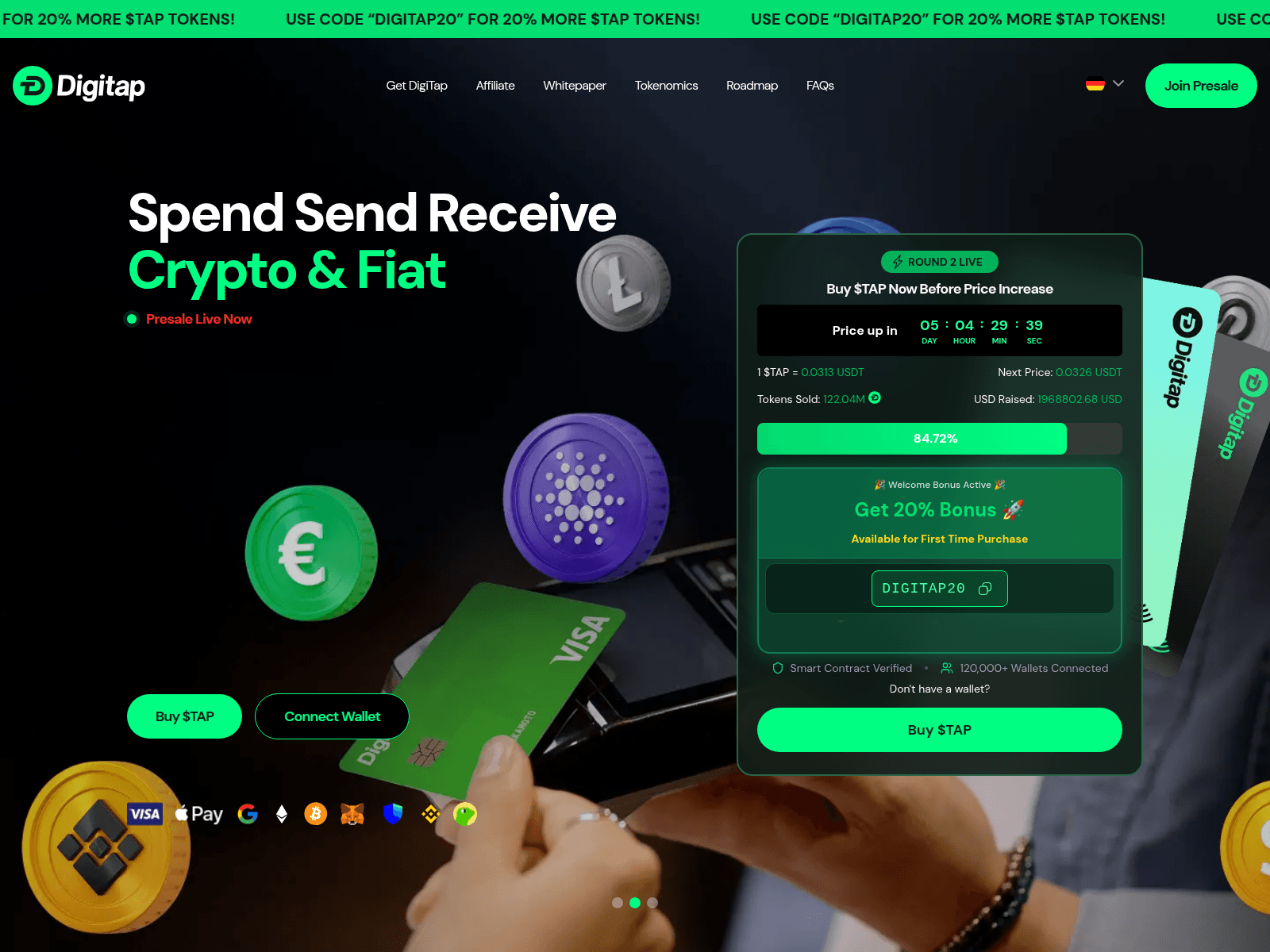
presale.digitap.app
quickswap.exchange-defi-swap-referral.pics
quickswap.exchange-defi-swap-referral.world
quickswap.exchange-v3-app-referral.life
quickswap.exchange-web-referral.pics
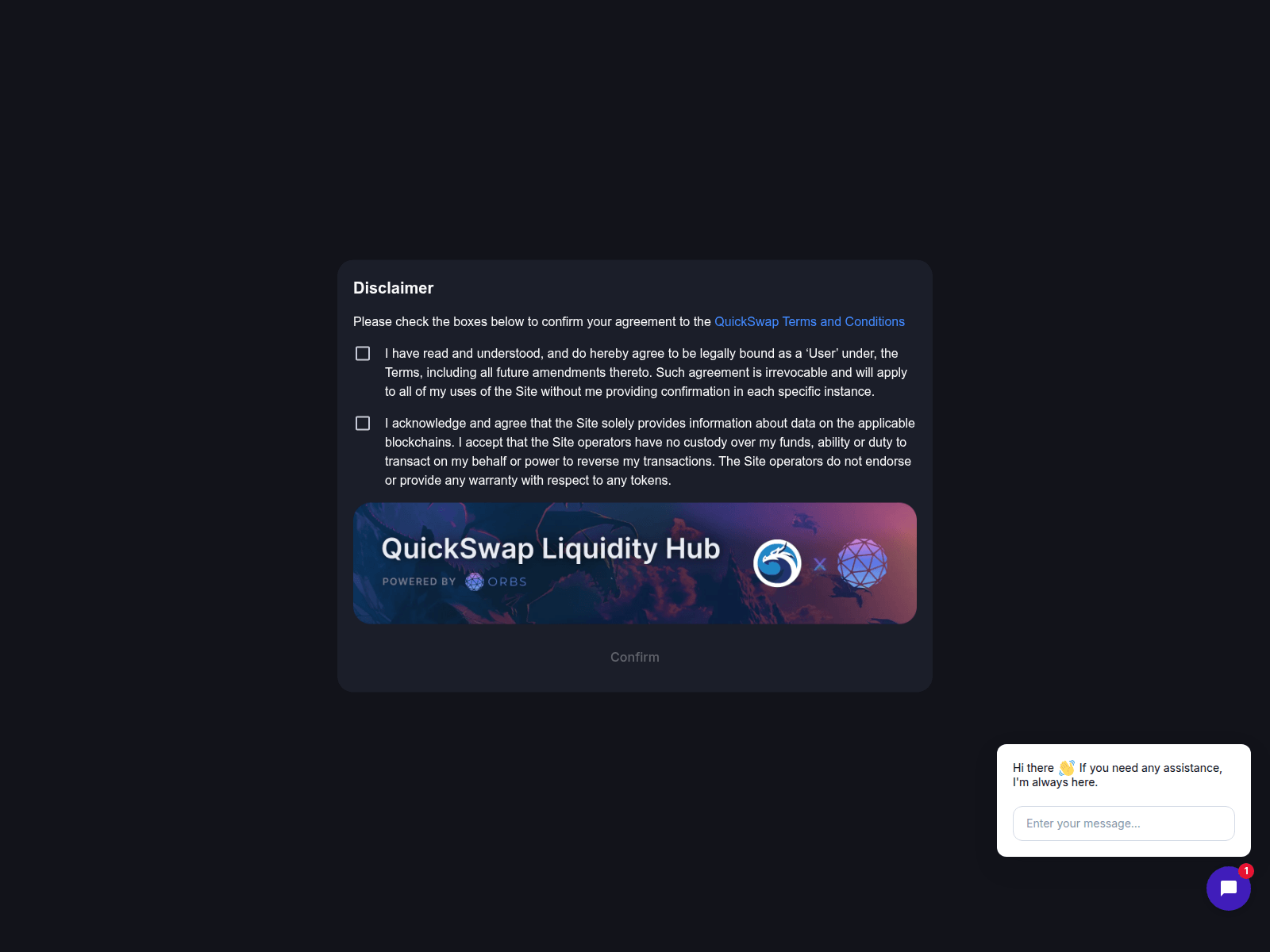
quickswap.exchange-web-referral.world

register-apro.com
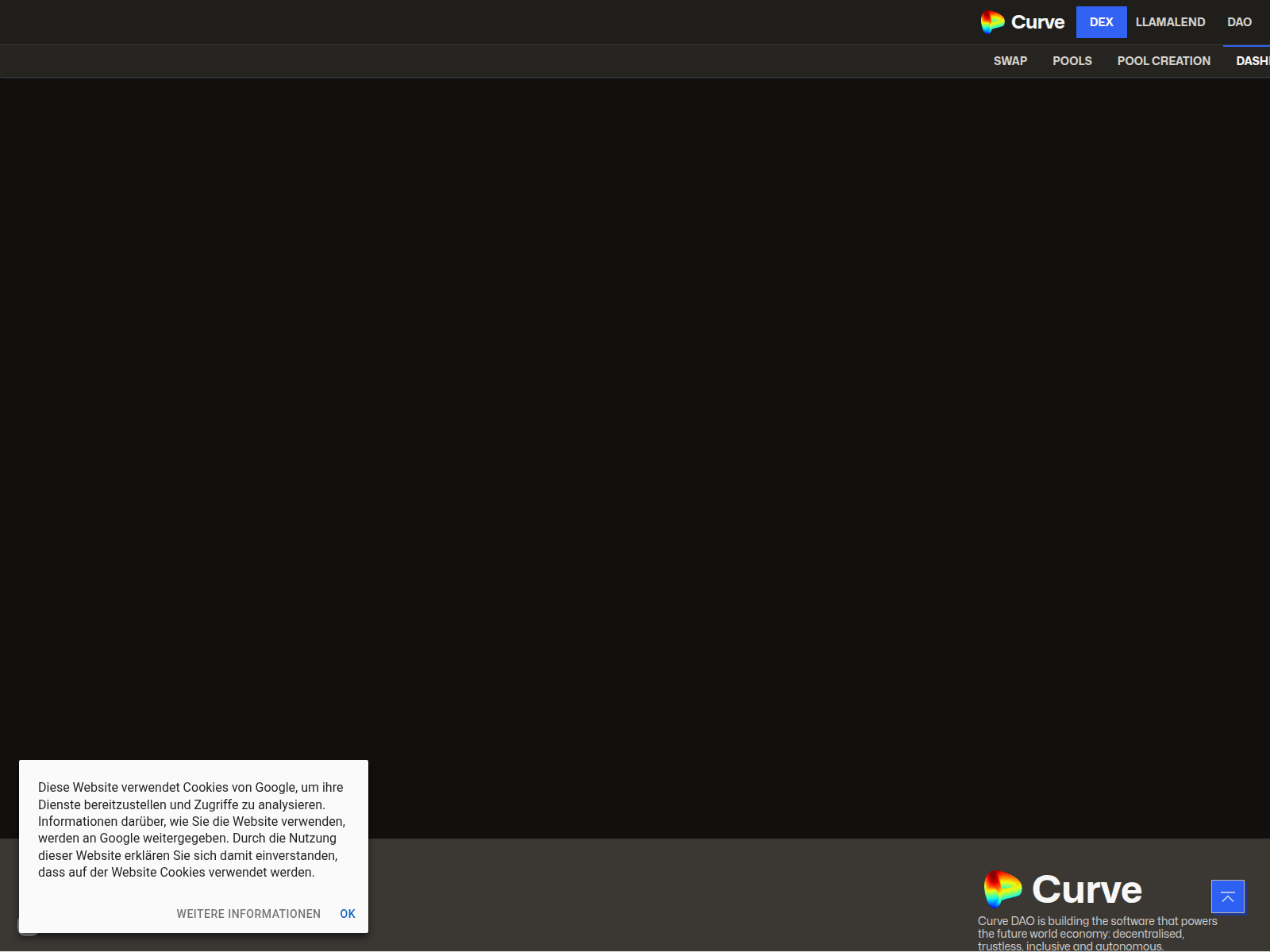
revoke-curvesfinance.com
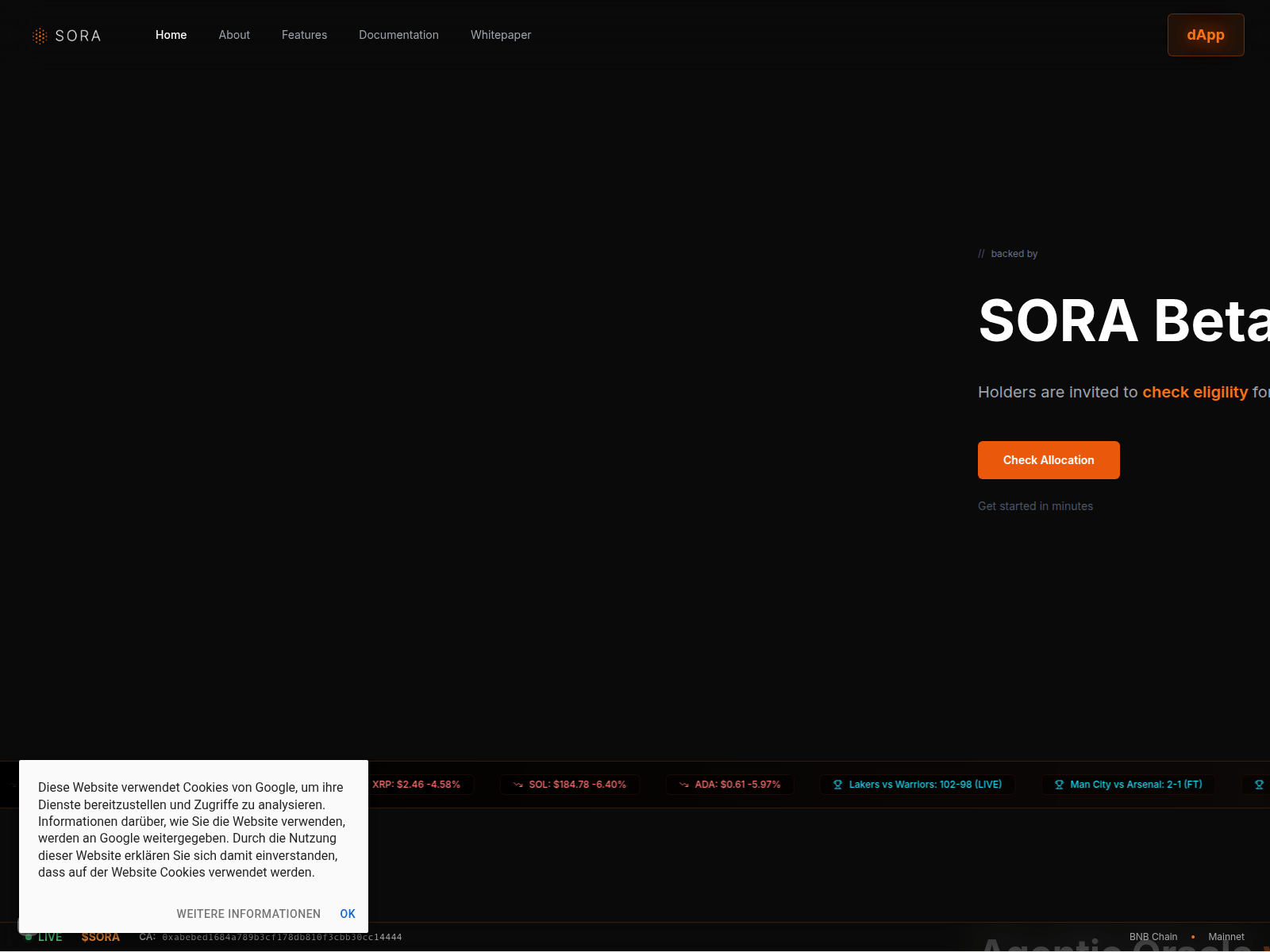
soracles-rewards.com
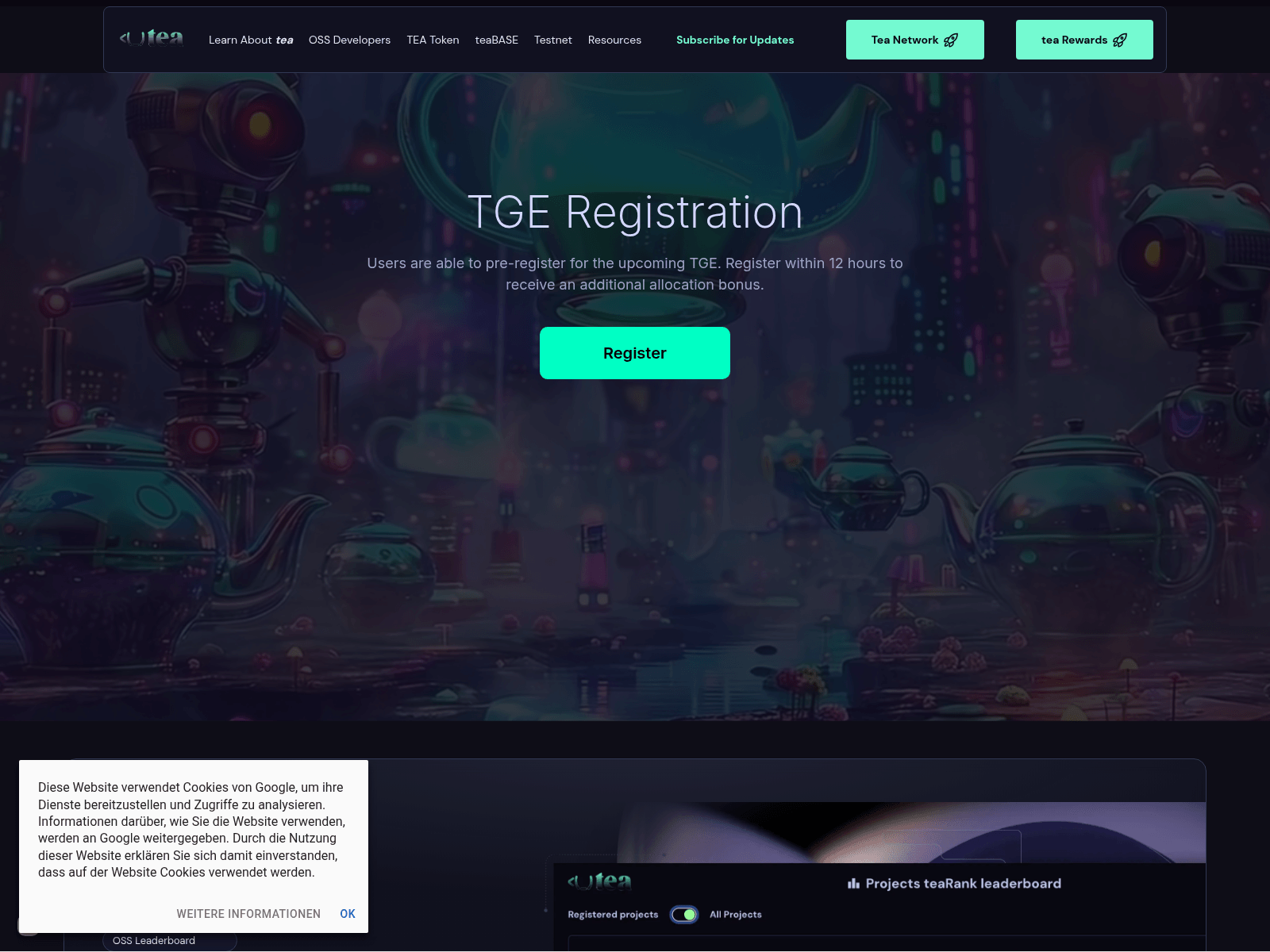
tea-tge.com
telegrambotgame.pages.dev
tge-capmoneys.com
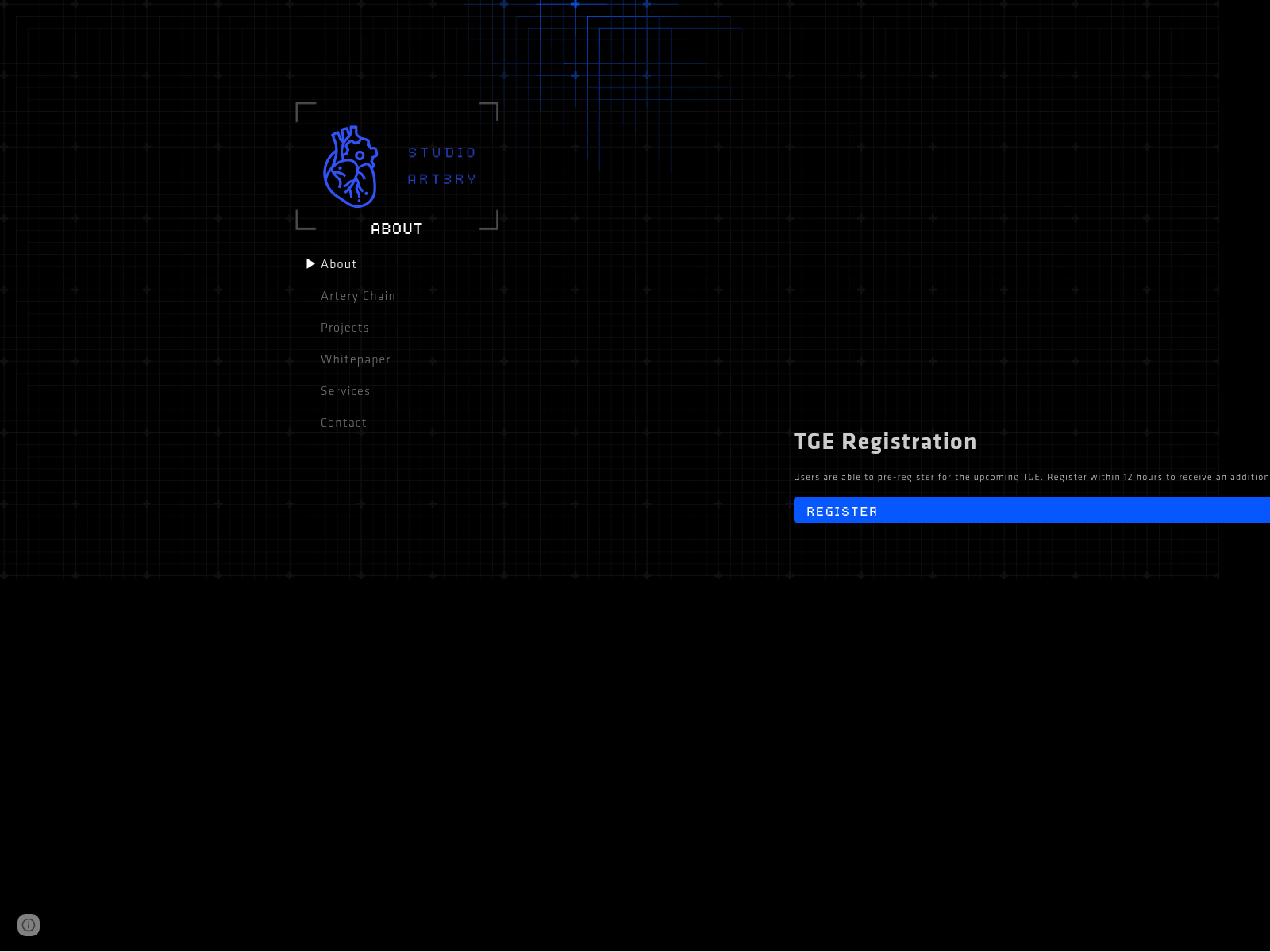
tge-studioartery.com
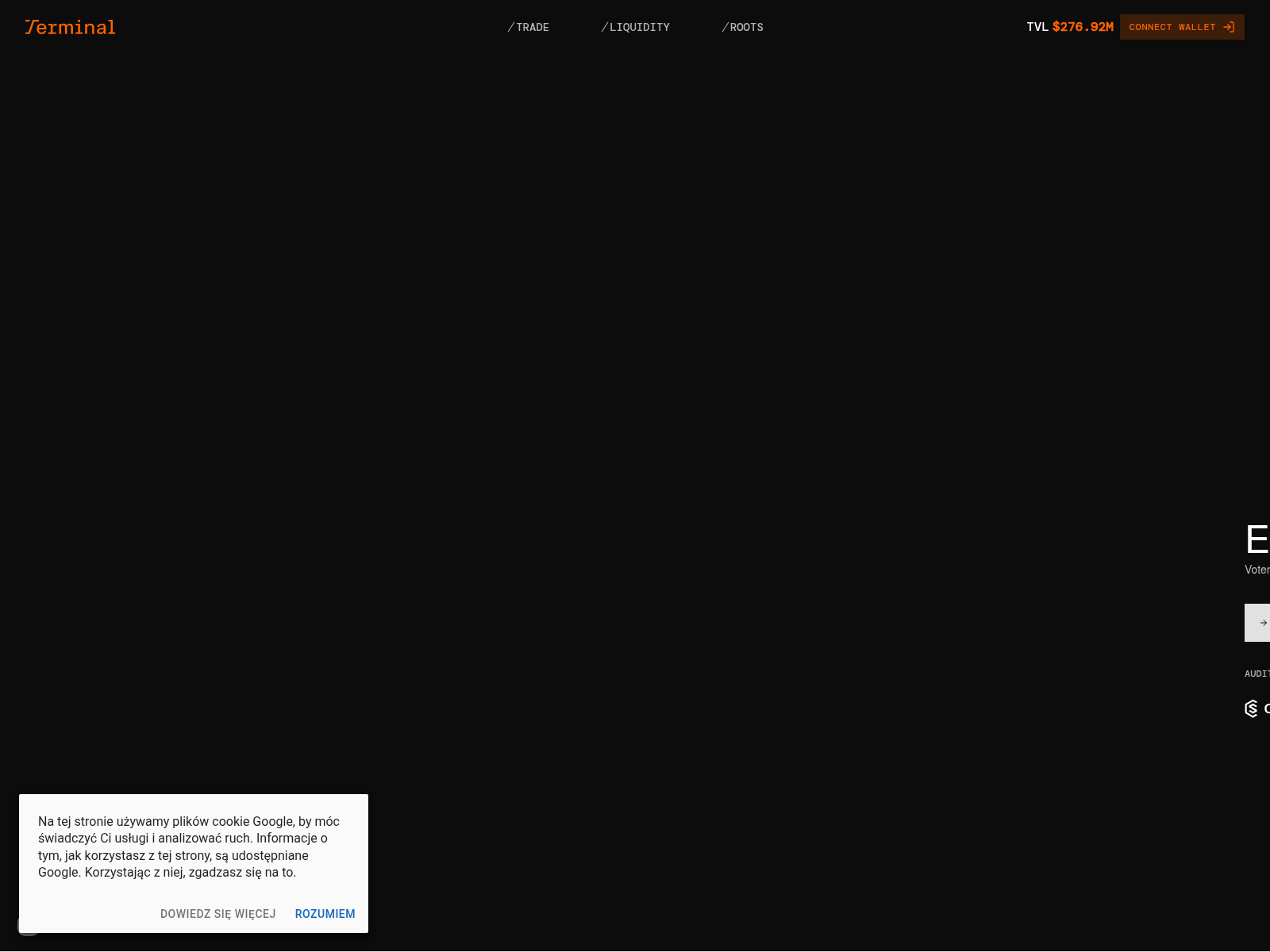
tge-terminal.com

tibbir-voting.com
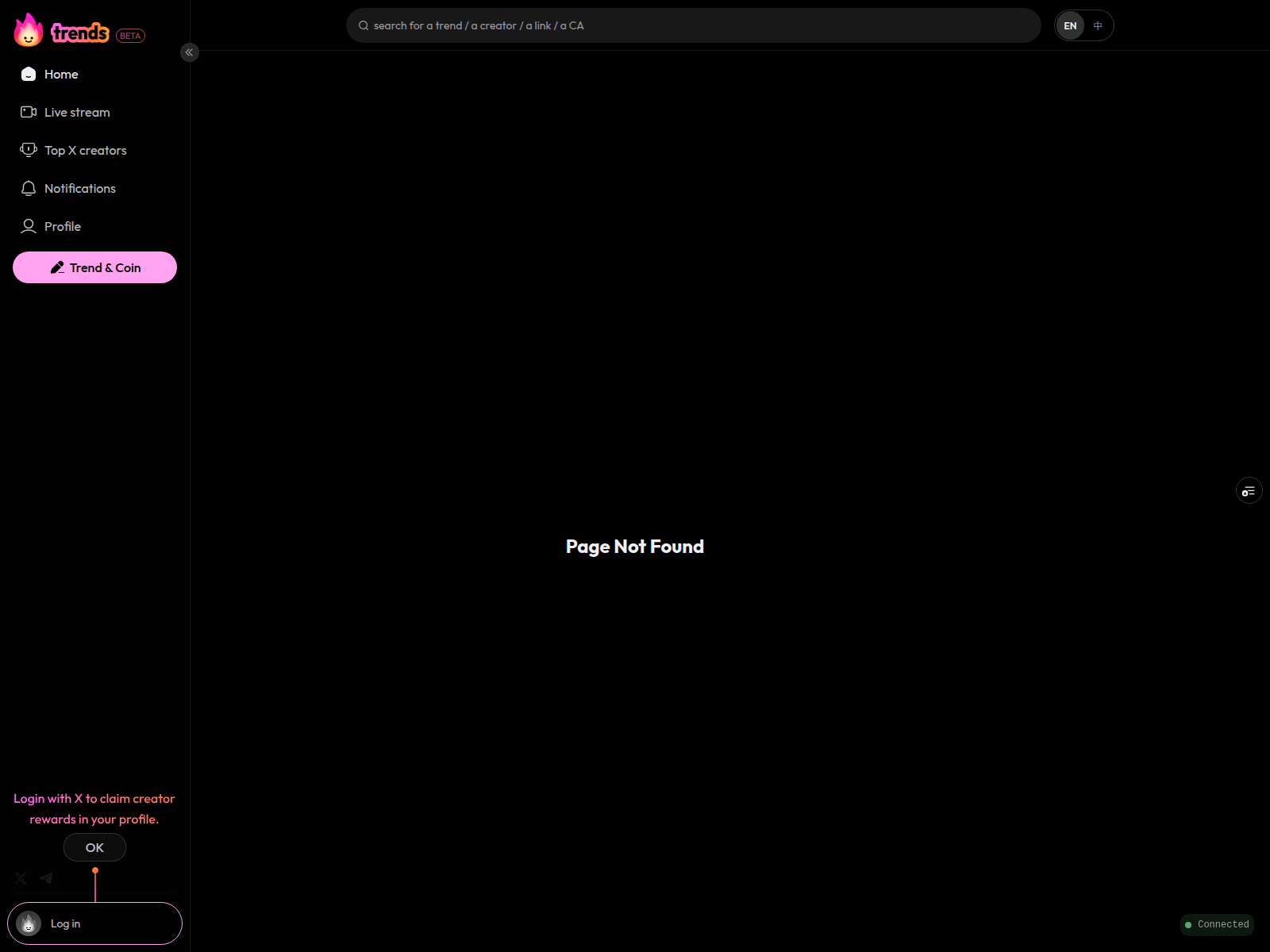
trendsfun-git-temp-devnet-takoprotocol.vercel.app
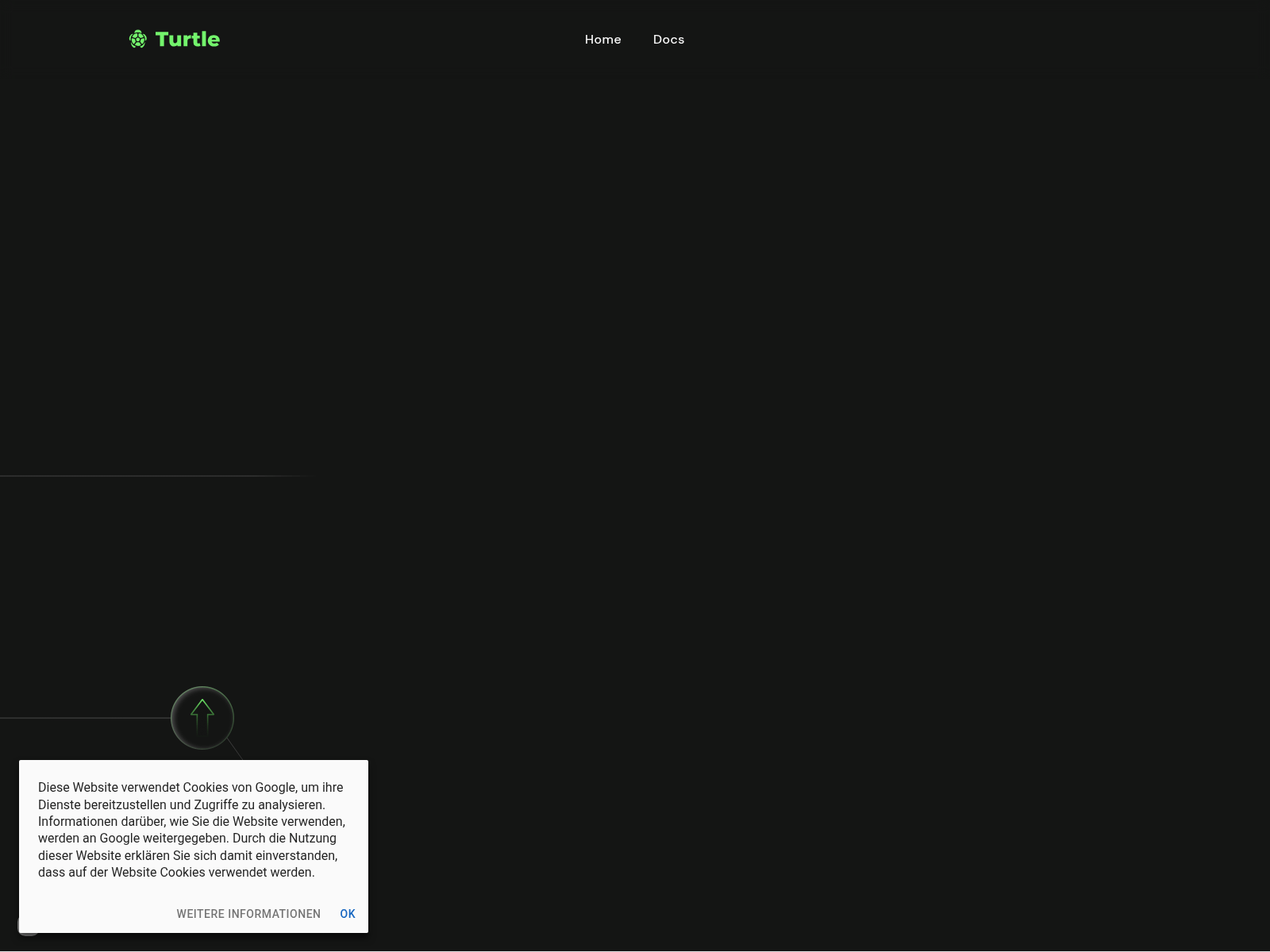
turtles-vote.net

u11716225.ct.sendgrid.net

virtual-voting.co
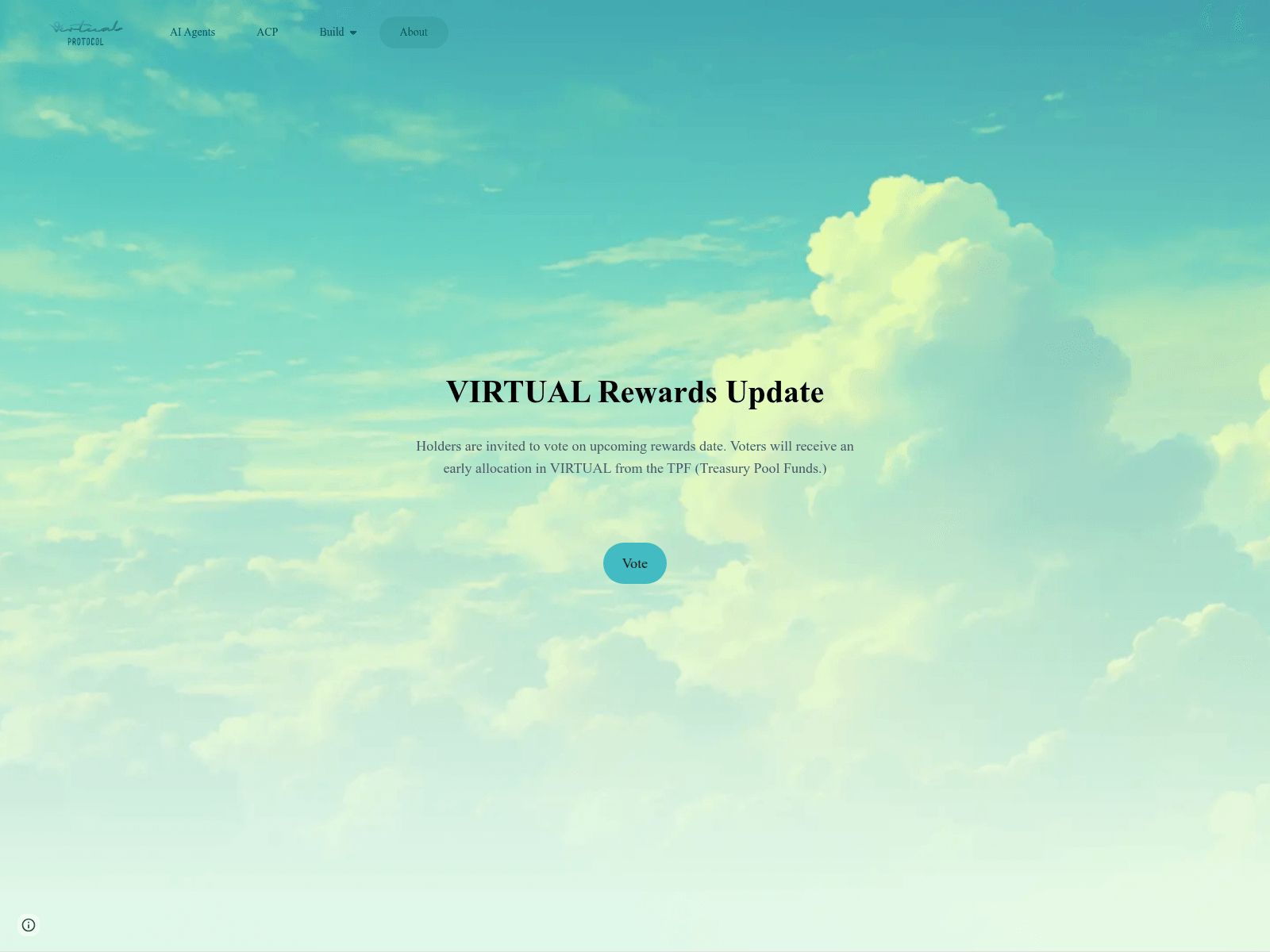
virtual-voting.net
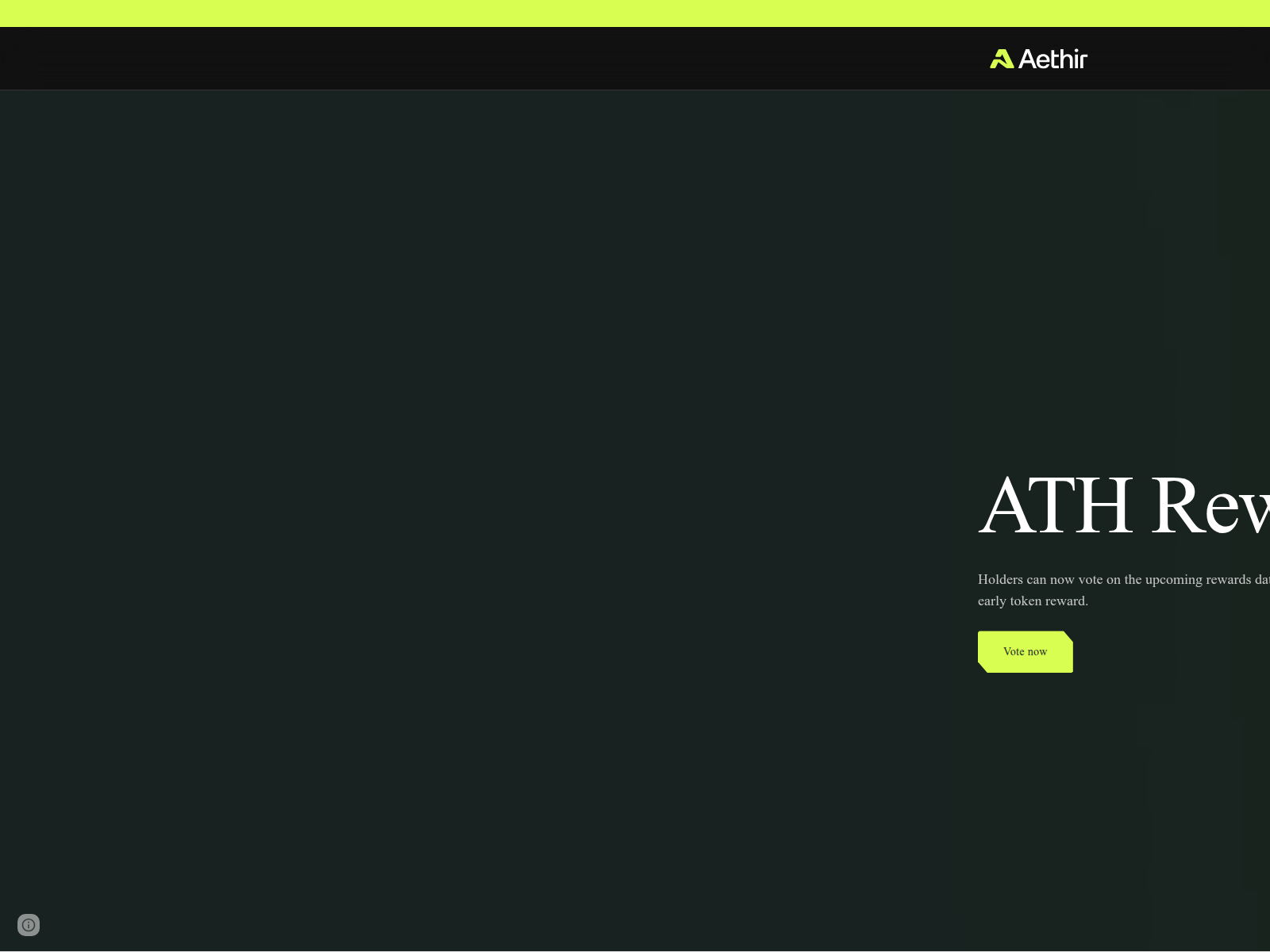
vote-aethirsclouds.com

vote-capmoneys.com
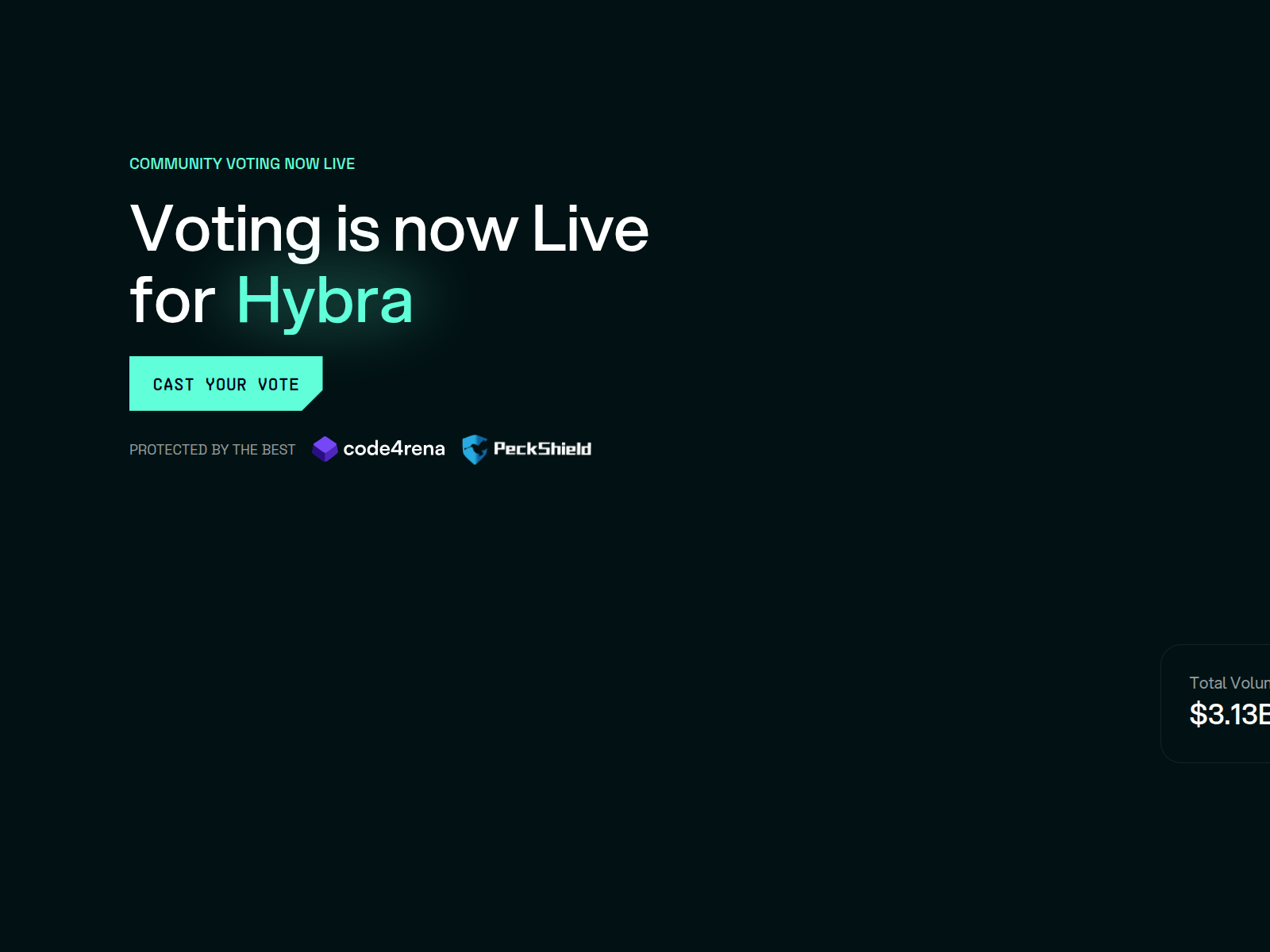
vote-hybrafinance.com
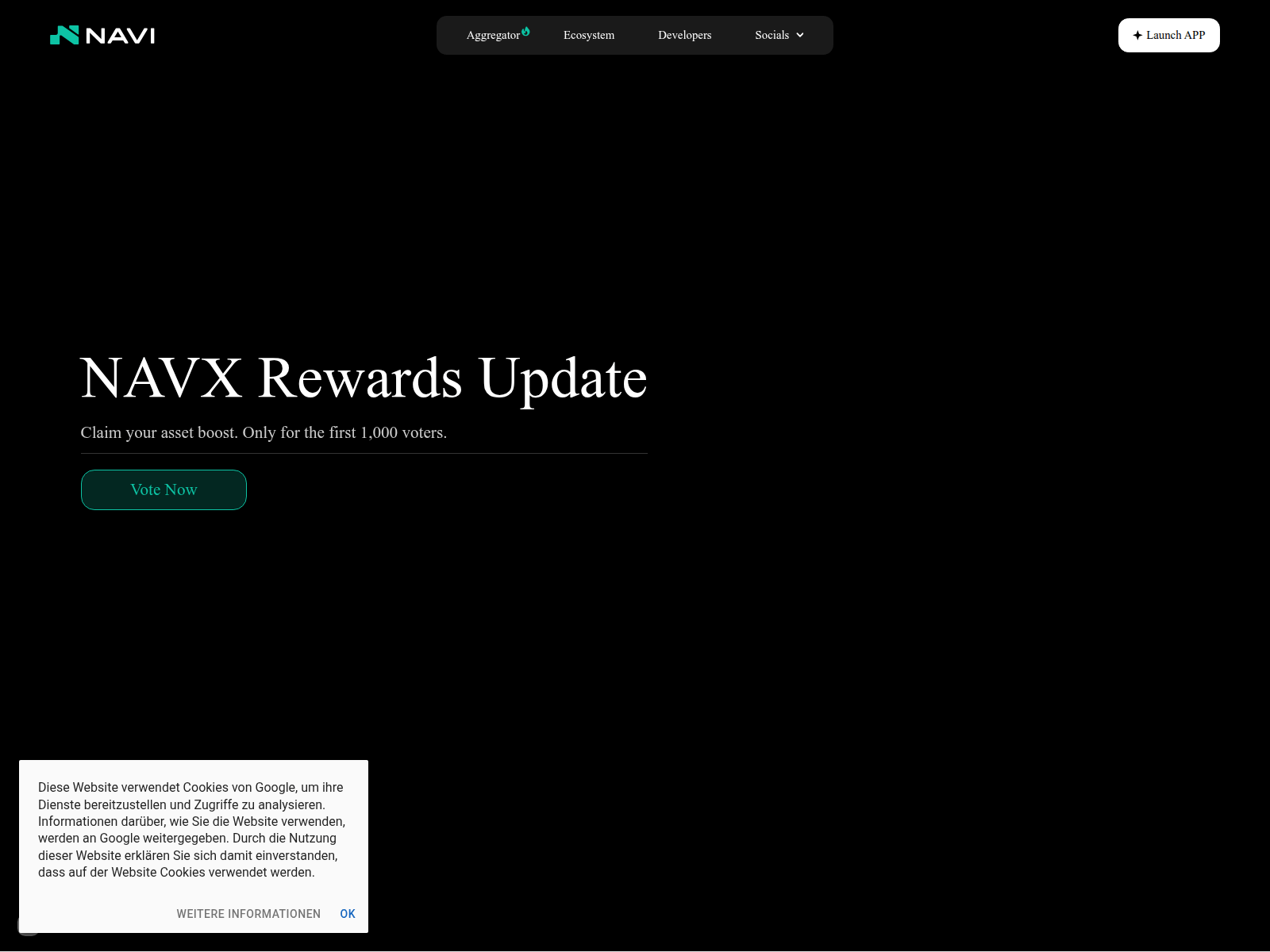
vote-navis.com

vote-perleslab.net
vote-quacksai.net

votes-cypher.votings.workers.dev

votes-onbeams.votings.workers.dev

votes-pay.com
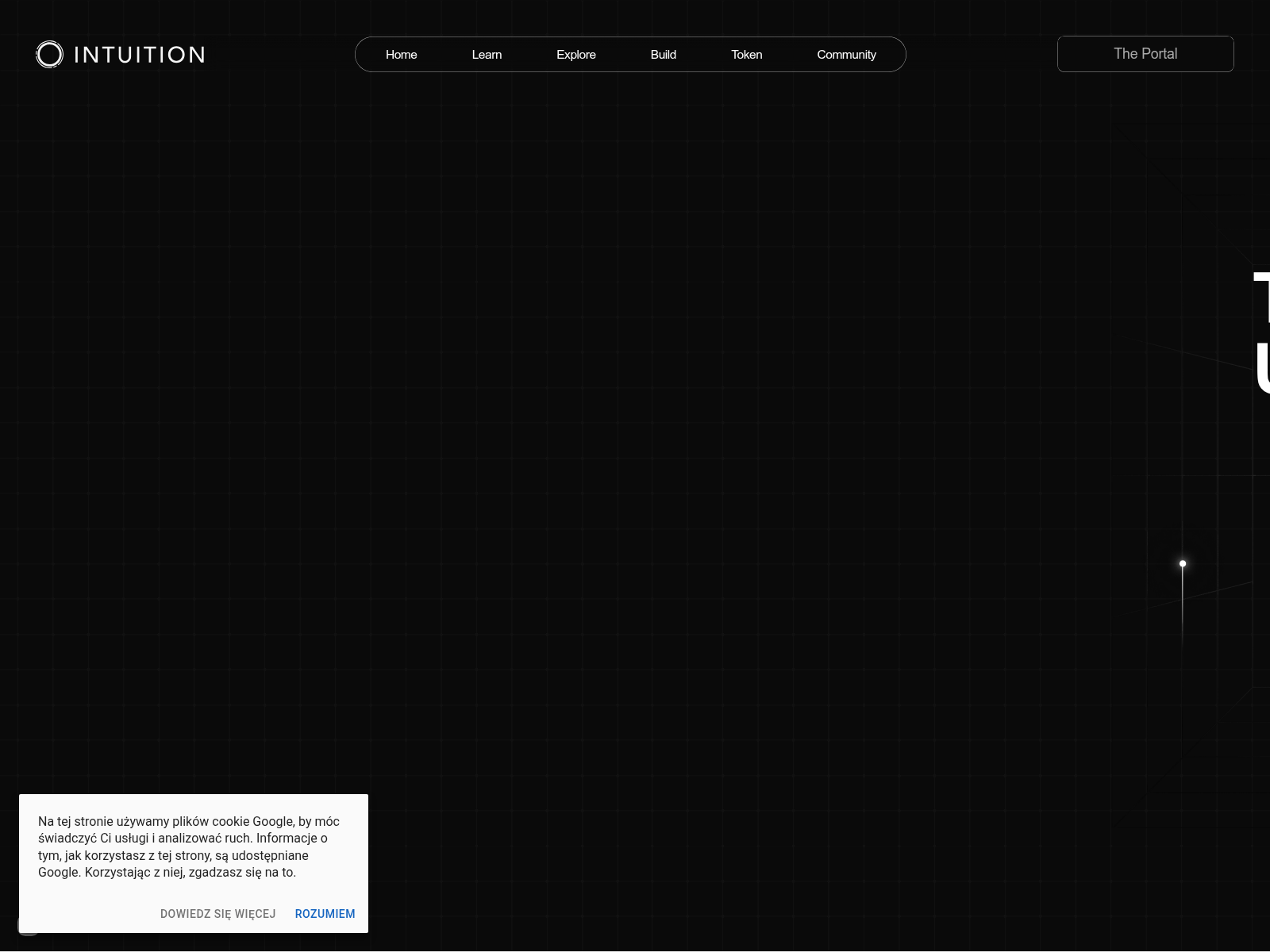
voting-intuition.com
voting-labspro.com

voting-pieverses.com
مسار الاستجابة للتهديدات Pipeline
كيف يتم التحقق من كل مجال في هذا المركز وكيف يتم تحييد التهديدات المؤكدة. تصور كامل لمسار العمل →
عمليات التحقق من معلومات التهديدات— يتم فحص كل نطاق ومقارنته بما يلي:
urlscan.ioلقطة شاشة · DOM · HTTPVirusTotal90+ AV enginesGoogle Safe BrowsingTransparency تقريررادار CloudflareDNS · certs · categoriesAlienVault OTXThreat-intel pulsesآلة الزمنHistorical evidenceabuse.ch ThreatFoxIOC correlationcrt.shCertificate TransparencyDNS الأمن FiltersQuad9 · AdGuard · CleanBrowsingWeb-تحققFull surface scan
 crt.sh
المزامنة العالمية للموردين— يتم إرسال الإشعارات المتعلقة بحالات الكشف المؤكدة إلى 29 شريكًا:
GoogleSafe BrowsingGoogleWeb Risk APIMicrosoftSmartScreenVirusTotalDetection feedCloudflareRadar / 1.1.1.1YandexSafe BrowsingURLScan.ioPublic scanESETWebGuardبيتديفندرThreat exchangeNortonSafe WebSymantecمراجعة الموقعAviraCloud detectionAvast / AVGWeb ShieldكاسبرسكيOpenTIPDr.WebOnline scannerنتكرافتإزالة APIPhishTankVerified voteAPWG eCXBulk feedPhishStatsOpen feedPhish.تقريرHosting abuseSpamhausDBL feedPolySwarmMarketplaceCheckPhishBolster scanQutteraMalware scanURLquerySandboxCriminal IPAsset intelCRDFThreat CenterScamadviserTrust scoreMyWOTWeb of Trust