 ChainPatrol
 Web-Check
  SOCRadar
  LeakIX
域安全和威胁情报

t-mobile[.]wimpu[.]cc
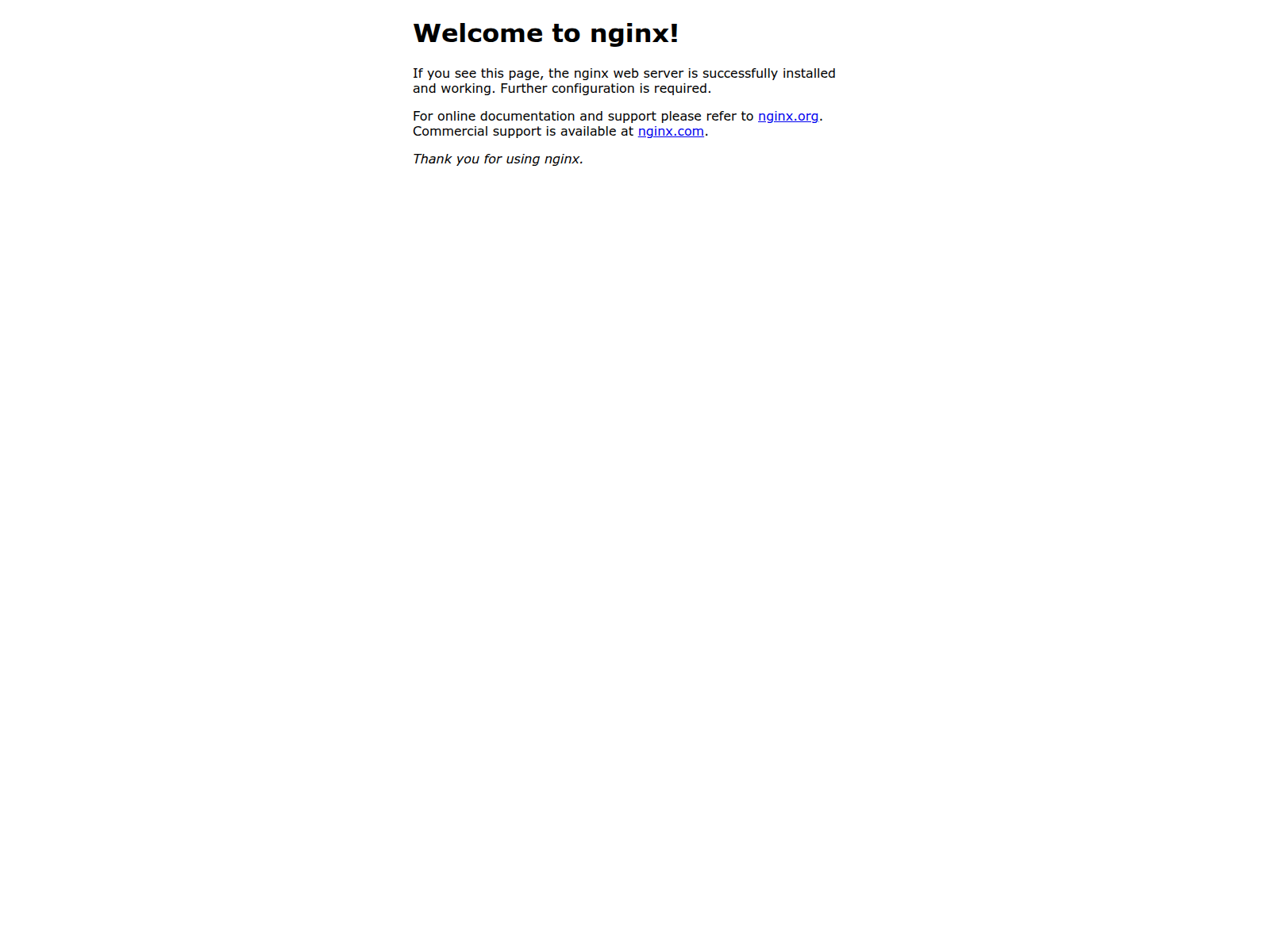
“Welcome to nginx!”
威胁判定
关键
95/100 证据评分
可用性
内容不可用
最新观察中的内容不可用
风险信号
病毒检测总数:20/93
URLQuery threat systems: 5 alerts
报告概览
t-mobile.wimpu.cc — 内容不可用 (HTTP 502). 证据摘要: VirusTotal 20/93 (ADMINUSLabs, Criminal IP, alphaMountain.ai, BitDefender, Cluster25); URLQuery 5 alerts; PhishDestroy score 95/100. 注册商: Gname.
为保留原始取证记录,下方的 PhishDestroy AI 详细分析仍使用英文。
证据摘要
重要
This domain, t-mobile.wimpu.cc, is flagged as an elevated-risk brand impersonation site specifically targeting X.com (formerly Twitter). Analysis indicates the threat actor designed the infrastructure to mimic legitimate X.com authentication portals, likely to harvest user credentials or distribute malicious payloads under the guise of official branding. The use of a deceptive subdomain (t-mobile) suggests an attempt to exploit trust in unrelated brands to increase victim compliance, a tactic commonly observed in credential theft campaigns. Infrastructure analysis reveals the domain was registered on February 21, 2026, through Gname.com Pte. Ltd., a registrar frequently associated with high-risk domains due to lenient registration policies. The domain resolves to IP address 104.21.49.8, hosted on AS13335 (Cloudflare, Inc.), a network often leveraged to obfuscate malicious activity behind content delivery networks. At the time of assessment, the domain appeared on one security blocklist, while VirusTotal detection rates indicated 20 out of 95 security vendors flagged it as malicious. The absence of an SSL certificate further undermines its legitimacy, as modern phishing campaigns typically employ encryption to evade detection. The page title, 'Welcome to nginx!', suggests misconfigured or hastily deployed infrastructure, a common red flag in low-effort phishing operations. Mitigation against this brand impersonation threat requires multi-layered defenses. Network administrators should block resolution to 104.21.49.8 and monitor for domains registered through Gname.com Pte. Ltd. with creation dates around February 2026. End-users should verify domain authenticity by cross-referencing URLs with official X.com communications and inspecting for SSL certificates before entering credentials. Organizations should implement email filtering rules to quarantine messages containing the domain or its IP, while security teams should prioritize hunting for related indicators of compromise, such as unusual login attempts or unexpected OAuth token requests. Given the domain's current offline status, continuous monitoring for re-registration or DNS reactivation is recommended.
数据覆盖范围
VirusTotal
20 / 93
URLQuery
5 threat-system alerts
PhishStats
checked — no match recorded
OTX
no community references
CF雷达
scan completed
URLScan capture
存储的报告
URLScan verdict
分析完成
DNS 阻断
未检查
TLS
无证书数据
WHOIS
not parsed
屏幕截图
3 captures · 3 sources
重定向链
未探查
网络安全情报
| Detection System | Indicator | Verdict | Alert |
|---|---|---|---|
| OpenDNS | t-mobile.wimpu.cc |
phishing | Phishing Block |
| Hagezi Threat Feed | t-mobile.wimpu.cc |
malicious | Sinkholed |
| Quad9 DNS | t-mobile.wimpu.cc |
malicious | Sinkholed |
| Cloudflare DNS | t-mobile.wimpu.cc |
malicious | Sinkholed |
| DNS4EU | t-mobile.wimpu.cc |
malicious | Sinkholed |
威胁响应 Pipeline
发现
Checks
Reports
可用性
13/13
Sent Report Recorded
Stored sent-report record for registrar Gname.com Pte. Ltd., hosting provider, 1 abuse contact
complaint@gname.com
公共封禁名单状态
已保存的截图
域名情报
域名
URLScan Verdict
分析完成
score 0 report ↗
服务器 / ASN
cloudflare · AS13335 CLOUDFLARENET - Cloudflare, Inc., US
IP Context
Cloudflare shared edge
origin IP hidden
Edge-IP 声誉不属于此域。
Registrar (base domain)
Gname
 (SG)
(SG)
(SG)
IP 地址
104.21.49.8
CDN
地理位置 San Francisco, US
San Francisco, US网络AS13335 · Cloudflare, Inc.
源 IP 隐藏在 CDN 代理后面。边缘地址的反向 IP 结果包含不相关的租户;查找源头需要被动 DNS 或证书透明数据。
Registration (base domain)wimpu.cc · Expires 2027年1月23日
HTTP 状态码502 Error
技术细节DNS、SSL SAN、时间戳
首次发现2026年1月25日
DOM Analysisanalyzed 2026年4月23日score 10/100
IoC Extractionscanned 2026年8月2日0 wallet · 0 Telegram IoCs
Submitted URLhttp://t-mobile.wimpu.cc/
域名服务器anita.ns.cloudflare.comrick.ns.cloudflare.com
TLS Observationvalid from 2026年1月23日scanned 2026年3月15日
Case ID
举报此域名
提交证据,帮助保护他人
VirusTotal 分析
20 / 93 安全供应商标记了该域
View on VT
Last analyzed
ADMINUSLabs
Criminal IP
alphaMountain.ai
BitDefender
Cluster25
CRDF
CyRadar
ESET
Forcepoint ThreatSeeker
Fortinet
G-Data
Google Safebrowsing
Gridinsoft
Lionic
MalwareURL
Seclookup
SOCRadar
Sophos
VIPRE
Webroot
证据与外部报告
证券分析
Submitted Evidence Snapshot
Sent: Ledger records: 1
Case ID:
PD-20260125-04238F Recipient: complaint@gname.com OSINT与情报分析
DNS 与网络
SEO 与域名
您是否受到本网站的影响?
If credentials were compromised, report immediately. Do not engage with recovery scammers.
如果您输入了帐户凭据、个人或付款信息,或者从此域下载了文件,请立即采取措施。以下资源可帮助您报告事件并保护自己。


PhishDestroy listing review 不是执法报告
域名申诉
如果您拥有该域名并认为该列表不正确,请请求审核
警惕“数据恢复”诈骗! 犯罪分子可能会冒充调查员、律师或追债员再次联系受害者。 请勿支付预付费用或共享凭证。 了解有关康复欺诈的更多信息 →
相关基础设施与报告
Content matches 4
关于共享 Cloudflare 边缘的其他报告 2
这些报告解析为相同的共享边缘 IP。它们有助于报告发现,但并不意味着共同所有权或共享源服务器。
同一注册商: Gname 6
 mhvqol.shop
  fnlockers.cc
  cnear.com
  f230q.xyz
 最近的威胁报告 4
最近添加了来自 PhishDestroy 数据库的报告。这些发现链接并不意味着共享基础设施或所有权。
 oauth.tokenlon-protocol.com
  jbwrblxjbw34.blogspot.com