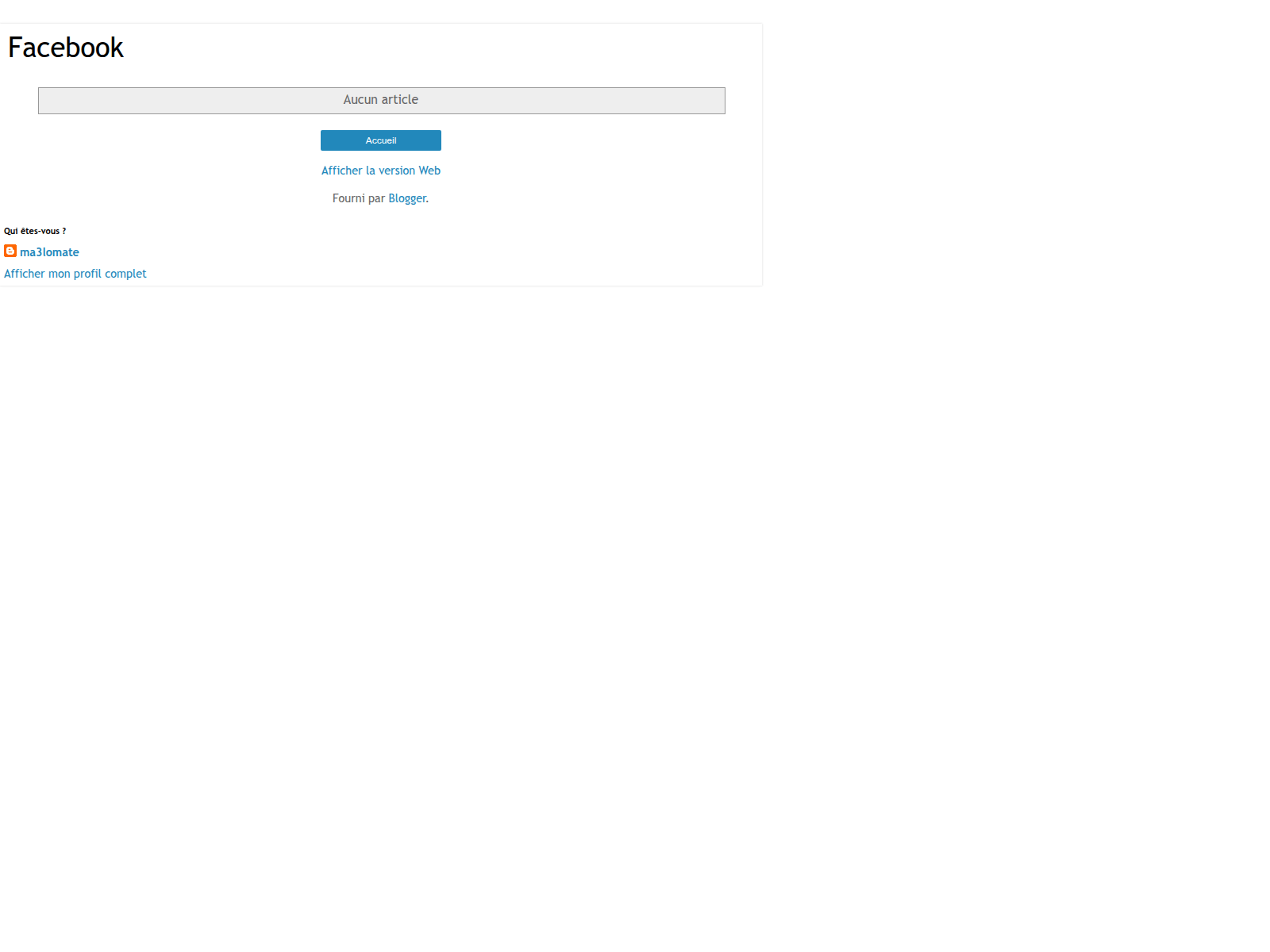
exodusdownload.blogspot.com
  pt-shopee4559.blogspot.com
  facebook-login-pages.blogspot.com
  facebook-linkedin.blogspot.com
  ly-facebook.blogspot.com
  layananundian-shopee33.blogspot.com
  thisfreeinstagramfollowers.blogspot.com
  rblx-r0bux540xyz.blogspot.com
  faceboomlogin.blogspot.com
  facebook-freelogin.blogspot.com
  fb-faceboook.blogspot.com
  duishalik.blogspot.com
  pulsenotch.com
  www.stores-dofus.fr
  stresser.work
  quantumfxbrokers.com
域安全和威胁情报

facebook-vu[.]blogspot[.]com
“Facebook”
威胁判定
关键
100/100 证据评分
可用性
最后已知的活跃状态
最新存储的可达性观察
风险信号
病毒检测总数:17/91
存储的阻止列表匹配项:1
品牌冒充:Facebook
最后已知的活跃状态
证据摘要
重要
Analysis of facebook-vu.blogspot.com as of July 22, 2026 confirms that the domain remains active and is classified as a high‑risk generic phishing site. The infrastructure is hosted on Blogger and resolves to the IPv4 address 192.178.183.132. The site leverages a mix of client‑side libraries—including MooTools, Google Hosted Libraries, and Google AdSense—as well as server‑side components written in Java, Python, and OpenGSE, and it supports HTTP/3 for transport. Registration details show the domain was created through Google LLC, and no authoritative nameserver records were returned (NS_NOT_FOUND).
Reputation data indicates that three independent phishing blocklists—PhishDestroy, OpenPhish, and Phishunt—have already listed the domain, and VirusTotal reports nine of ninety‑one scanners flagging the site as malicious. No additional public threat‑intel sources (e.g., OTX or Safe Browsing) are cited in the current feed. Because the page title, SSL certificate details, and HTTP response codes have not been published, those aspects remain uncertain and should be verified through direct probing if required. Defenders should immediately block resolution of 192.178.183.132 and add facebook-vu.blogspot.com to URL filtering policies.
Continuous monitoring of the IP address for new hostnames and periodic re‑scans with multi‑engine services are recommended to capture any evolution of the malicious infrastructure. Updating intrusion‑detection signatures to flag the identified technology stack (Blogger plus the listed JavaScript libraries) can also reduce exposure to related payloads. The domain’s presence on multiple blocklists and its high‑risk rating justify a proactive deny‑by‑default stance until the threat is fully mitigated.
VirusTotal
17 det.
TLS 证书
Google Trust Services
观测状态
最后已知的活跃状态 HTTP 200

DestroyList
已列入
Data Coverage
VirusTotal
17 / 91
URLQuery
未检查
PhishStats
未检查
OTX
no community references
CF雷达
scan completed
URLScan capture
存储的报告
URLScan verdict
分析完成
DNS 阻断
未检查
TLS
valid certificate, 60d
WHOIS
not parsed
屏幕截图
2 captures · 2 sources
重定向链
未探查
威胁响应 Pipeline
发现
Checks
Reports
可用性
12/14
阻止列表覆盖
监控中的外部数据源 10 个 · 已存快照 2026年8月11日
已保存的截图
域名情报
域名
URLScan Verdict
分析完成
score 0 report ↗
服务器 / ASN
GSE · AS15169 GOOGLE - Google LLC, US
IP 信誉
IP abuse confidence 0/100 26 reports checked 2026年7月22日
平台提供商
Google Domains
 (US)
(US)
(US)
IP 地址
192.178.183.132

HTTP 状态码200
技术详情DNS、TLS 名称和时间戳
首次发现2026年7月22日
DOM Analysisanalyzed 2026年7月22日DOM analysis score 83/100
Submitted URLhttp://facebook-vu.blogspot.com/
TLS 指纹
TLS 观测自 2026年6月29日 起有效扫描于 2026年7月22日
TLS 主体备用名称blogspot.aeblogspot.alblogspot.amblogspot.bablogspot.beblogspot.bgblogspot.cablogspot.chblogspot.clblogspot.co.atblogspot.co.idblogspot.co.ilblogspot.co.keblogspot.co.nzblogspot.co.uk+55
技术
识别出 8 项高置信度技术
Blogger
Java
Python
OpenGSE
MooTools
Google Hosted Libraries
Google AdSense
HTTP/3
Cloudflare Radar
举报此域名
提交证据,帮助保护他人
VirusTotal 分析
17 / 91 安全供应商标记了该域
View on VT
Last analyzed Previous stored snapshot: 9 detections
Criminal IP
alphaMountain.ai
BitDefender
ESET
Emsisoft
Forcepoint ThreatSeeker
Fortinet
G-Data
Gridinsoft
卡巴斯基
LevelBlue
Lionic
Netcraft
Sophos
URLQuery
VIPRE
Webroot
存档证据
Wayback Machine Snapshot
历史快照可供证据审查
网站性能分析
Google PageSpeed Insights — mobile performance audit of facebook-vu.blogspot.com · checked Jul 22, 2026
94
Good
Performance
FCP
2.09s
First Contentful Paint
LCP
2.84s
Largest Contentful Paint
CLS
0
Cumulative Layout Shift
TBT
0ms
Total Blocking Time
SI
2.26s
Speed Index
Powered by Google PageSpeed Insights · Mobile strategy · Scores: 90-100 Good 50-89 Needs Work 0-49 Poor
相关基础设施与报告
Shared IP 192.178.183.132 6
该源 IP 托管多个网络钓鱼域 - 基础设施可以在各个活动之间共享。
同一注册商: Google Domains 6
Facebook impersonation 8
These domains also target Facebook users. View all Facebook threats →
最近的威胁报告 6
最近添加了来自 PhishDestroy 数据库的报告。这些发现链接并不意味着共享基础设施或所有权。
您是否受到本网站的影响?
If credentials were compromised, report immediately. Do not engage with recovery scammers.
如果您输入了帐户凭据、个人或付款信息,或者从此域下载了文件,请立即采取措施。以下资源可帮助您报告事件并保护自己。


PhishDestroy listing review 不是执法报告
域名申诉
如果您拥有该域名并认为该列表不正确,请请求审核
警惕“数据恢复”诈骗! 犯罪分子可能会冒充调查员、律师或追债员再次联系受害者。 请勿支付预付费用或共享凭证。 了解有关康复欺诈的更多信息 →
检查任意域名
使用存储的阻止列表、WHOIS、DNS 和公共扫描证据进行威胁分析
立即扫描举报网络钓鱼
将可疑域名提交至我们的威胁数据库——保护社区
报告实时威胁动态
最近的网络钓鱼报告和观察到的可用性变化
监控