slon4-at-zerkalo.ru
  kra47ccc.ru
  krab6--cc.ru
  drk-whatsapp.hk.cn
  wynavi.com
  navi77.pro
  roblox-robux10kadm1n.blogspot.com
Sicurezza del dominio e intelligence sulle minacce

yupoonetherlands[.]ru
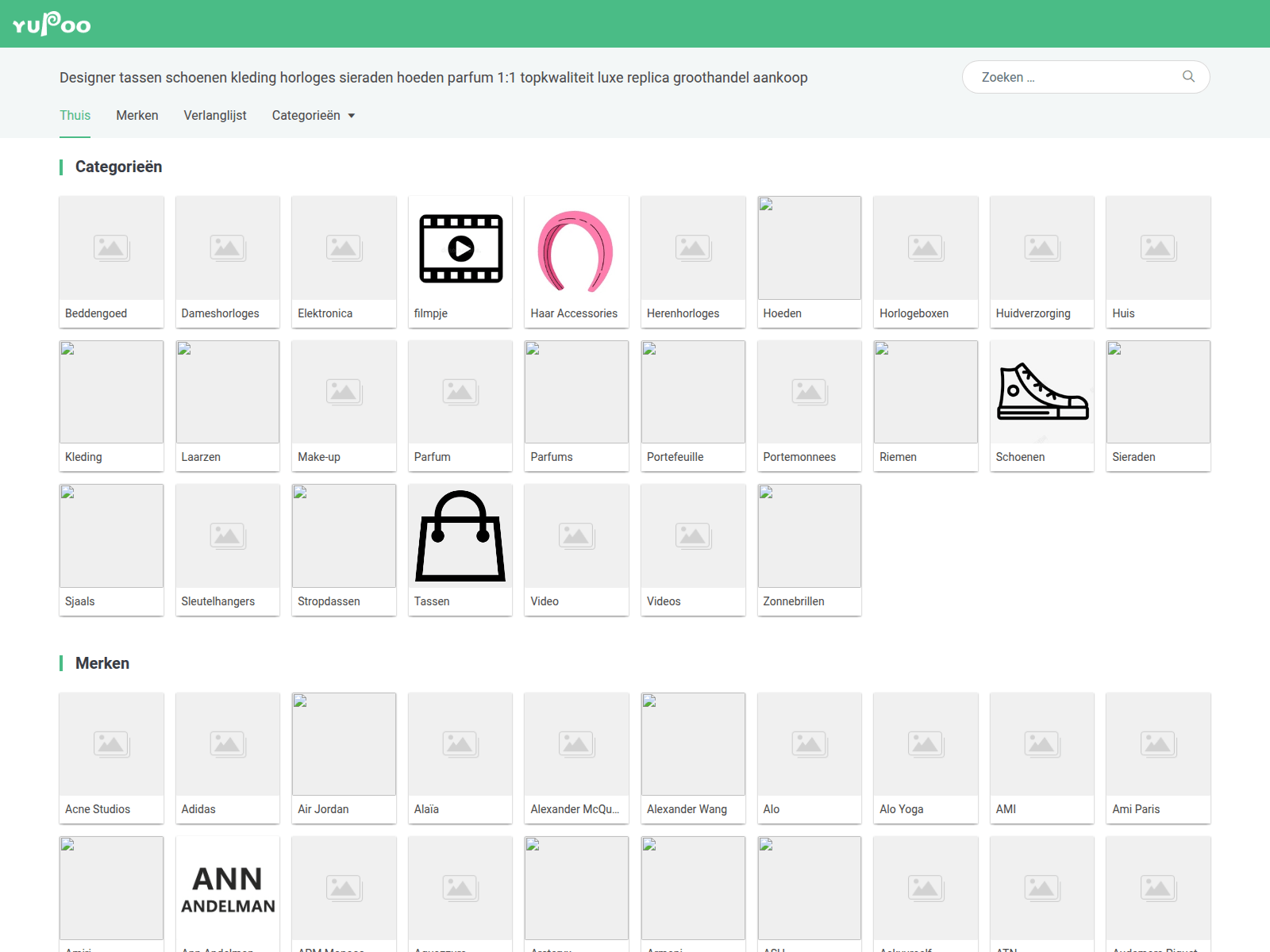
“Thuis - yupoo netherlands”
Verdetto di minaccia
Critico
Punteggio delle prove 95/100
Disponibilità
Contenuto non disponibile
Il contenuto non era disponibile nell'ultima osservazione
Segnali di rischio
Rilevamenti VirusTotal: 19/95
Corrispondenze della blocklist memorizzate: 3
Simulazione del marchio: WhatsApp
Riepilogo delle prove
CRITICO
This domain, yupoonetherlands.ru, poses a high-risk brand impersonation threat designed to deceive users into believing they are interacting with WhatsApp, a widely used messaging platform. The site likely employs social engineering tactics, such as fake login portals or fraudulent notifications, to harvest user credentials, personal information, or financial details. Brand impersonation attacks like this exploit trust in well-known services to bypass user skepticism, increasing the likelihood of successful compromise. Given the domain’s offline status, it may have already been taken down, but similar threats often reappear under new domains or infrastructure. Analysis indicates this domain was registered on April 17, 2025, through RU-CENTER-RU, a registrar frequently associated with malicious activity. Infrastructure analysis reveals the site resolved to IP address 172.67.159.228, hosted on Cloudflare’s network (AS13335), a common tactic to obscure the true origin of fraudulent sites. The domain lacks an SSL certificate, a red flag for legitimacy, and is flagged by 17 out of 95 security vendors on VirusTotal. Additionally, it appears on five security blocklists, including PhishDestroy and PhishingDB, further confirming its malicious nature. The page title, 'Thuis - yupoo netherlands,' suggests an attempt to mimic localized or regional services, a technique often used to lower user defenses. If you visited yupoonetherlands.ru or entered any information on the site, immediate action is required. First, disconnect the affected device from the internet to prevent potential data exfiltration. Run a full antivirus scan to detect and remove any malware or spyware that may have been installed. Change passwords for all accounts accessed from the compromised device, prioritizing email, financial, and social media platforms. Enable multi-factor authentication wherever possible to add an extra layer of security. Monitor accounts for unusual activity, such as unauthorized logins or transactions, and report any suspicious behavior to the relevant service providers. Users should also consider freezing their credit if financial information was exposed. Finally, report the domain to local cybersecurity authorities or platforms like the Anti-Phishing Working Group to aid in broader mitigation efforts.
VirusTotal
19 det.
OTX references
Età
1.3 yr
Stato osservato
Contenuto non disponibile HTTP 502

Elenco da eliminare
Presente
Data Coverage
VirusTotal
19 / 95
URLQuery
rapporto archiviato: verdetto dettagliato in attesa
PhishStats
checked — no match recorded
OTX
14 community references
CF Radar
scan completed
URLScan capture
rapporto memorizzato
URLScan verdict
Analisi completata
Blocchi DNS
non controllato
TLS
nessun dato sul certificato
WHOIS
16 mo old
Screenshot
2 captures · 2 sources
Catena di reindirizzamenti
non sondato
Pipeline di risposta alle minacce
Scoperta
Checks
Reports
Disponibilità
14/15
Copertura delle blocklist
10 fonti esterne monitorate · snapshot del 11/08/2026
Cronologia del rilevamento
-
Cloudflare Radar
Scansione Cloudflare Radar archiviata · Apri scansione
Acquisizione salvata
Analisi dei domini
Dominio
URLScan Verdict
Analisi completata
score 0 report ↗
Server / ASN
cloudflare · AS13335 CLOUDFLARENET, US
IP Context
Cloudflare shared edge
origin IP hidden
La reputazione Edge-IP non è attribuita a questo dominio.
Registrar
RU-CENTER-RU
 (RU)
(RU)
(RU)
Indirizzo IP
172.67.159.228
CDN
Posizione San Francisco, US
San Francisco, USReteAS13335 · Cloudflare, Inc.
L'IP di origine è nascosto dietro un proxy CDN. I risultati dell'IP inverso per l'indirizzo edge contengono tenant non correlati; la ricerca dell'origine richiede DNS passivo o dati di trasparenza del certificato.
RegistrazioneCreato 17/04/2025
Stato HTTP502 Error
Dettagli tecniciDNS, nomi TLS e date
Rilevato per la prima volta08/12/2025
DOM Analysisanalyzed 23/04/2026DOM analysis score 10/1001 brand signal
Submitted URLhttp://yupoonetherlands.ru/
Nameserveraliza.ns.cloudflare.comanderson.ns.cloudflare.com
Osservazione TLSvalido dal 11/10/2025analizzato il 14/03/2026
Segnala questo dominio
Invia le prove e contribuisci a proteggere gli altri
Analisi di VirusTotal
19 / I fornitori di sicurezza 95 hanno contrassegnato questo dominio
View on VT
Last analyzed
ADMINUSLabs
alphaMountain.ai
Bfore.Ai PreCrime
BitDefender
CRDF
CyRadar
ESET
Forcepoint ThreatSeeker
Fortinet
G-Data
Gridinsoft
Lionic
Phishing Database
Seclookup
SOCRadar
Sophos
Trustwave
VIPRE
Webroot
Infrastruttura e rapporti correlati
Stesso registrar: RU-CENTER-RU 6
WhatsApp impersonation 8
These domains also target WhatsApp users. View all WhatsApp threats →
Rapporti recenti sulle minacce 6
Rapporti aggiunti di recente dal database PhishDestroy. Questi collegamenti di scoperta non implicano infrastrutture o proprietà condivise.
Questo sito ti ha influenzato in qualche modo?
If credentials were compromised, report immediately. Do not engage with recovery scammers.
Se hai inserito credenziali dell'account, informazioni personali o di pagamento oppure hai scaricato un file da questo dominio, agisci immediatamente. Di seguito sono riportate le risorse per aiutarti a segnalare l'incidente e proteggerti.

Europol
Trova il canale di segnalazione ufficiale per il tuo paese dell'UE
National police directory

Action Fraud
Segnala frodi e crimini informatici in Inghilterra, Galles e Irlanda del Nord
Contact centre0300 123 2040
PhishDestroy listing review Non un rapporto delle forze dell'ordine
Ricorso in materia di domini
Richiedi una revisione se possiedi questo dominio e ritieni che l'elenco non sia corretto
Attenzione ai truffatori che promettono il recupero dei fondi! I criminali possono contattare nuovamente le vittime fingendo di essere investigatori, avvocati o agenti di recupero. Non pagare commissioni anticipate né condividere credenziali. Scopri di più sulle frodi relative ai sussidi di recupero →
Segnalalo alle autorità locali
Seleziona il tuo Paese per ottenere contatti ufficiali del crimine informatico o creare una bozza di reclamo →.
Elenco di 97 paesi
Bozza assistita dall'intelligenza artificiale: i dettagli dell'incidente vengono elaborati dal fornitore di intelligenza artificiale
Controllalo e invialo tu stesso
Verifica qualsiasi dominio
Analisi delle minacce utilizzando blocklist archiviate, WHOIS, DNS e prove di scansione pubblica
Scansiona oraSegnala un tentativo di phishing
Segnala i domini sospetti al nostro database delle minacce — proteggi la comunità
SegnalaFeed in tempo reale sulle minacce
Segnalazioni recenti di phishing e modifiche osservate della disponibilità
MonitoraRimani informato, rimani al sicuro
Controlla le minacce in tempo reale oppure contesta questa segnalazione se ritieni che si tratti di un falso positivo