


 ChainPatrol
 Web-Check
  SOCRadar
  LeakIX
Sicurezza del dominio e intelligence sulle minacce

t-mobile[.]nmvyi[.]cc
“Welcome to nginx!”
Verdetto di minaccia
Critico
Punteggio delle prove 95/100
Disponibilità
Contenuto non disponibile
Il contenuto non era disponibile nell'ultima osservazione
Segnali di rischio
Rilevamenti VirusTotal: 18/95
URLQuery threat systems: 4 alerts
Riepilogo del rapporto
t-mobile.nmvyi.cc — Contenuto non disponibile (HTTP 502). Riepilogo delle prove: VirusTotal 18/95 (ADMINUSLabs, Criminal IP, alphaMountain.ai, BitDefender, Cluster25); URLQuery 4 alerts; PhishDestroy score 95/100. Registrar: Gname.
L’analisi dettagliata di PhishDestroy AI resta in inglese per preservare il rapporto forense originale.
Riepilogo delle prove
CRITICO
This domain, t-mobile.nmvyi.cc, operates as a credential harvesting phishing site targeting users of X.com (formerly Twitter). The infrastructure is designed to deceive visitors into submitting login credentials by mimicking the legitimate X.com interface, potentially enabling unauthorized account access and subsequent malicious activities such as data theft, spam propagation, or further social engineering attacks. The use of a subdomain incorporating "t-mobile" suggests an attempt to exploit trust in the telecommunications brand, increasing the likelihood of successful phishing attempts against mobile users or those expecting service-related communications. Analysis of the domain reveals multiple technical indicators of malicious intent. The domain was registered on February 21, 2026, through Gname.com Pte. Ltd., an uncommon registrar for legitimate services. It resolves to the IP address 104.21.69.207, hosted on Cloudflare’s network (AS13335), a common tactic to obscure the true origin of phishing infrastructure. Security vendors on VirusTotal flagged the domain as malicious, with 18 out of 95 engines detecting it. The domain appears on one security blocklist, and the page title "Welcome to nginx!" indicates a misconfigured or placeholder server, often seen in hastily deployed phishing campaigns. Notably, the domain lacks an SSL certificate, which is unusual for modern phishing sites but may reflect an incomplete setup or an attempt to evade detection by security tools that prioritize HTTPS-enabled domains. Users who visited t-mobile.nmvyi.cc should take immediate action to mitigate potential risks. If credentials were entered, reset passwords for X.com and any other accounts where the same credentials may have been reused. Enable multi-factor authentication (MFA) on all critical accounts to prevent unauthorized access. Monitor accounts for suspicious activity, such as unauthorized posts, messages, or changes to account settings. Additionally, scan the device used to visit the domain for malware, as phishing sites may deploy malicious payloads or redirect to exploit kits. Report the incident to the legitimate service provider (X.com) and consider notifying local cybersecurity authorities or incident response teams for further guidance.
VirusTotal
18 det.
URLQuery
4 threat alerts
URLScan
Stato osservato
Contenuto non disponibile 502

Elenco da eliminare
In elenco
Reports Sent
1
Copertura dei dati
VirusTotal
18 / 95
URLQuery
4 threat-system alerts
PhishStats
checked — no match recorded
OTX
no community references
CF Radar
scan completed
URLScan capture
rapporto memorizzato
URLScan verdict
Analisi completata
Blocchi DNS
non controllato
TLS
nessun dato sul certificato
WHOIS
not parsed
Screenshot
3 captures · 3 sources
Catena di reindirizzamenti
non sondato
Informazioni sulla sicurezza di rete
| Detection System | Indicator | Verdict | Alert |
|---|---|---|---|
| OpenDNS | t-mobile.nmvyi.cc |
phishing | Phishing Block |
| DNS4EU | t-mobile.nmvyi.cc |
malicious | Sinkholed |
| Hagezi Threat Feed | t-mobile.nmvyi.cc |
malicious | Sinkholed |
| Quad9 DNS | t-mobile.nmvyi.cc |
malicious | Sinkholed |
Pipeline di risposta alle minacce
Scoperta
Checks
Reports
Disponibilità
13/13
Sent Report Recorded
Stored sent-report record for registrar Gname.com Pte. Ltd., hosting provider, 1 abuse contact
complaint@gname.com
Stato della lista di blocco pubblica
Acquisizione salvata
Analisi dei domini
Dominio
URLScan Verdict
Analisi completata
score 0 report ↗
Server / ASN
cloudflare · AS13335 CLOUDFLARENET - Cloudflare, Inc., US
IP Context
Cloudflare shared edge
origin IP hidden
La reputazione Edge-IP non è attribuita a questo dominio.
Registrar (base domain)
Gname
 (SG)
(SG)
(SG)
Indirizzo IP
104.21.69.207
CDN
Posizione San Francisco, US
San Francisco, USReteAS13335 · Cloudflare, Inc.
L'IP di origine è nascosto dietro un proxy CDN. I risultati dell'IP inverso per l'indirizzo edge contengono tenant non correlati; la ricerca dell'origine richiede DNS passivo o dati di trasparenza del certificato.
Registration (base domain)nmvyi.cc · Expires 23/01/2027
Stato HTTP502 Error
Dettagli tecniciDNS, SAN SSL, timestamp
Rilevato per la prima volta24/01/2026
DOM Analysisanalyzed 23/04/2026score 10/100
IoC Extractionscanned 02/08/20260 wallet · 0 Telegram IoCs
Submitted URLhttp://t-mobile.nmvyi.cc/
Nameserverangelina.ns.cloudflare.comdamon.ns.cloudflare.com
TLS Observationvalid from 23/01/2026scanned 15/03/2026
Case ID
Segnala questo dominio
Invia le prove e contribuisci a proteggere gli altri
Analisi di VirusTotal
18 / I fornitori di sicurezza 95 hanno contrassegnato questo dominio
View on VT
Last analyzed
ADMINUSLabs
Criminal IP
alphaMountain.ai
BitDefender
Cluster25
CRDF
CyRadar
ESET
Forcepoint ThreatSeeker
Fortinet
G-Data
Gridinsoft
Lionic
MalwareURL
SOCRadar
Sophos
VIPRE
Webroot
Dati e relazioni esterne
Analisi della sicurezza
Submitted Evidence Snapshot
Sent: Ledger records: 1
Case ID:
PD-20260124-08713B Recipient: complaint@gname.com Blocklist hits included with submission: OpenPhish
OSINT e intelligence
DNS e rete
SEO e dominio
Questo sito ti ha influenzato in qualche modo?
If credentials were compromised, report immediately. Do not engage with recovery scammers.
Se hai inserito credenziali dell'account, informazioni personali o di pagamento oppure hai scaricato un file da questo dominio, agisci immediatamente. Di seguito sono riportate le risorse per aiutarti a segnalare l'incidente e proteggerti.

Europol
Trova il canale di segnalazione ufficiale per il tuo paese dell'UE
National police directory

Action Fraud
Segnala frodi e crimini informatici in Inghilterra, Galles e Irlanda del Nord
Contact centre0300 123 2040
PhishDestroy listing review Non un rapporto delle forze dell'ordine
Ricorso in materia di domini
Richiedi una revisione se possiedi questo dominio e ritieni che l'elenco non sia corretto
Attenzione ai truffatori che promettono il recupero dei fondi! I criminali possono contattare nuovamente le vittime fingendo di essere investigatori, avvocati o agenti di recupero. Non pagare commissioni anticipate né condividere credenziali. Scopri di più sulle frodi relative ai sussidi di recupero →
Segnalalo alle autorità locali
Seleziona il tuo Paese per ottenere contatti ufficiali del crimine informatico o creare una bozza di reclamo →.
Elenco di 97 paesi
Bozza assistita dall'intelligenza artificiale: i dettagli dell'incidente vengono elaborati dal fornitore di intelligenza artificiale
Controllalo e invialo tu stesso
Infrastruttura e rapporti correlati
Content matches 4
Stesso registrar: Gname 6
 mhvqol.shop
  fnlockers.cc
  cnear.com
  f230q.xyz
 Rapporti recenti sulle minacce 4
Rapporti aggiunti di recente dal database PhishDestroy. Questi collegamenti di scoperta non implicano infrastrutture o proprietà condivise.
 terbolox.org
  quiz-amazon.shop
  mrbeastgift.com
  bloxpan.com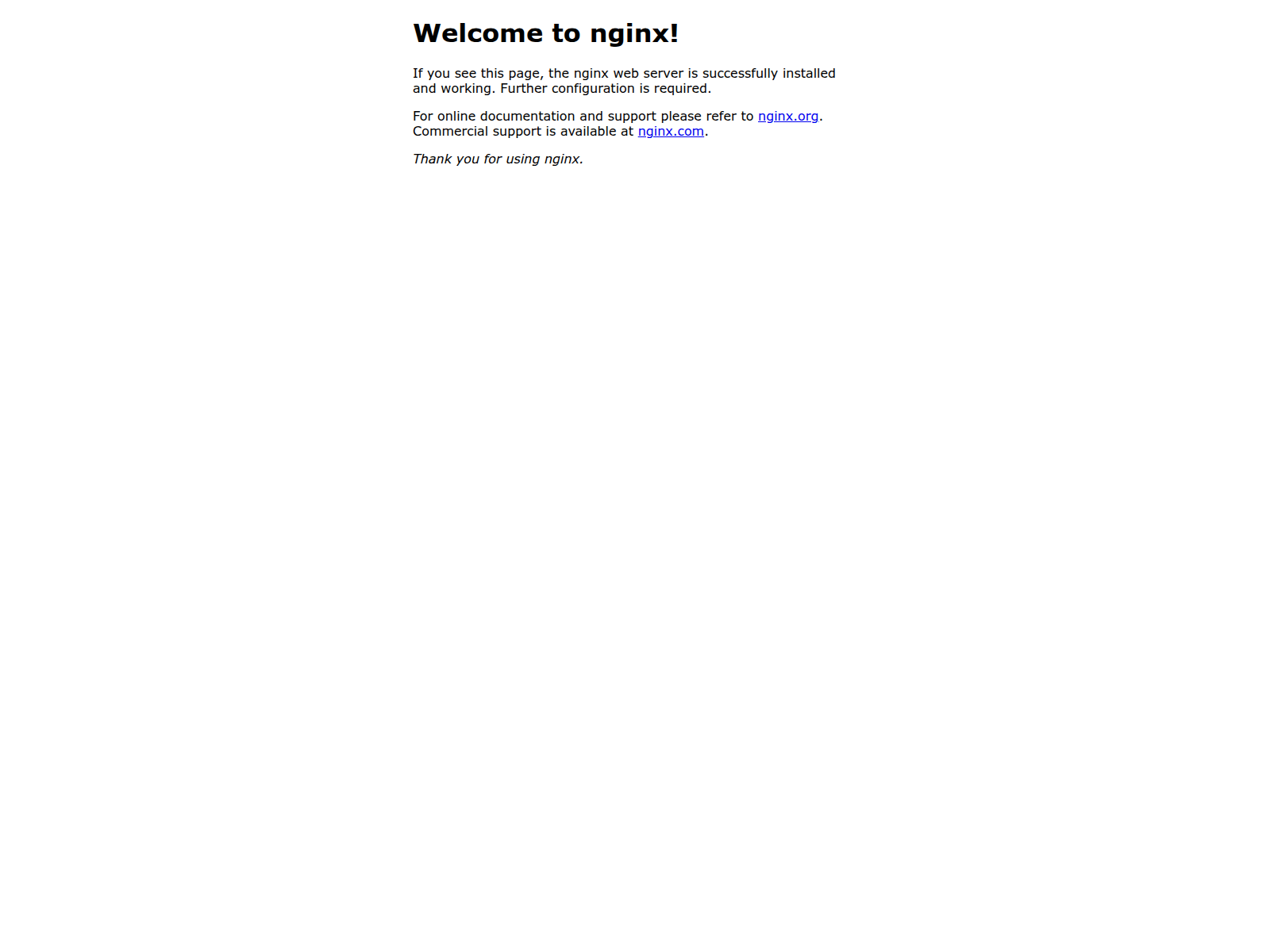
Verifica qualsiasi dominio
Analisi delle minacce utilizzando blocklist archiviate, WHOIS, DNS e prove di scansione pubblica
Scansiona oraSegnala un tentativo di phishing
Segnala i domini sospetti al nostro database delle minacce — proteggi la comunità
SegnalaFeed in tempo reale sulle minacce
Segnalazioni recenti di phishing e modifiche osservate della disponibilità
MonitoraRimani informato, rimani al sicuro
Controlla le minacce in tempo reale oppure contesta questa segnalazione se ritieni che si tratti di un falso positivo