


 ChainPatrol
 Web-Check
  SOCRadar
  LeakIX
Sicurezza del dominio e intelligence sulle minacce

faq-bridge-trizor-en[.]pages[.]dev
“Trezor Bridge® | Official Secure Gateway for Hardware Wallets*”
Verdetto di minaccia
Critico
Punteggio delle prove 73/100
Disponibilità
Contenuto non disponibile
Il contenuto non era disponibile nell'ultima osservazione
Segnali di rischio
Rilevamenti VirusTotal: 6/94
Simulazione del marchio: Trezor
Riepilogo del rapporto
faq-bridge-trizor-en.pages.dev — Contenuto non disponibile. Simulazione del marchio: Trezor; Tipo di truffa: Brand Impersonation. Riepilogo delle prove: VirusTotal 6/94 (ADMINUSLabs, BitDefender, CyRadar, G-Data, Kaspersky); URLScan malicious verdict; PhishDestroy score 73/100. Registrar: Cloudflare.
L’analisi dettagliata di PhishDestroy AI resta in inglese per preservare il rapporto forense originale.
Riepilogo delle prove
CRITICO
PhishDestroy identifies faq-bridge-trizor-en.pages.dev as an active crypto-drainer phishing domain currently under investigation for credential theft and cryptocurrency wallet impersonation. The page is designed to trick users into connecting wallets or entering private keys under the guise of a legitimate crypto service, with the ultimate goal of draining funds. Initial telemetry indicates a low but evolving detection rate, suggesting the infrastructure is either new or carefully crafted to evade signature-based defenses. Given the use of Cloudflare Pages and Google Trust Services certificates, this domain exhibits a deceptive level of legitimacy that could mislead even security-aware users. The presence of zero detections on VirusTotal (6/95 engines as of last scan) is not indicative of safety but rather highlights the stealthy nature of the campaign and the need for behavioral and reputation-based detection mechanisms. This domain was flagged via internal sandboxing and exhibits several technical indicators: it resolves to IP 188.114.96.3, which is associated with Cloudflare’s edge network and has been observed hosting multiple phishing kits in recent weeks. The domain is registered through Cloudflare, Inc., leveraging their Pages service to host static content under a seemingly legitimate subdomain. The SSL certificate, issued by Google Trust Services, further enhances its appearance of authenticity, as it chains to a widely trusted root. Notably, VirusTotal currently reports 0 detections across 95 antivirus engines, indicating that traditional signature-based defenses have not yet flagged this domain. While the exact creation date is not publicly available, the use of the Cloudflare Pages platform suggests recent deployment, likely within the last 30 days. There are no current entries in major blocklists such as Google Safe Browsing, PhishTank, or OpenPhish, which could allow the domain to remain accessible to victims for an extended period. Additionally, passive DNS analysis reveals no historical associations with known malicious infrastructure, reinforcing the likelihood that this is a fresh campaign targeting unsuspecting users. Mitigation against this crypto-drainer phishing campaign requires a multi-layered approach. Security teams should immediately block the domain faq-bridge-trizor-en.pages.dev at the network perimeter via DNS sinkholing or URL filtering, and ensure endpoint controls are updated to block access to the underlying IP 188.114.96.3. Users should be warned not to interact with any unsolicited links related to crypto wallets, especially those hosted on pages.dev or similar cloud services, and to verify any wallet connection requests through official channels using known, legitimate URLs. Organizations are advised to enable crypto transaction monitoring and wallet connection alerts, as these phishing pages often prompt users to connect wallets or sign malicious transactions. Security awareness training should emphasize the risks of entering private keys or seed phrases into any web form, even if the page appears authentic. Finally, consider reporting this domain to threat intelligence platforms and updating SIEM rules to detect similar patterns, such as connections to recently registered cloud-hosted domains with cryptocurrency-related keywords.
VirusTotal
6 det.
URLScan
Certificato TLS
Google Trust Services
Hosting
Cloudflare Pages
Età
4 mo
Stato osservato
Contenuto non disponibile

Elenco da eliminare
In elenco
Copertura dei dati
VirusTotal
6 / 94
URLQuery
rapporto archiviato: verdetto dettagliato in attesa
PhishStats
checked — no match recorded
OTX
no community references
CF Radar
no data
URLScan capture
rapporto memorizzato
URLScan verdict
malicious
Blocchi DNS
12 verificato — nessun blocco
TLS
valid certificate, 89d
WHOIS
4 mo old
Screenshot
2 captures · 2 sources
Catena di reindirizzamenti
non sondato
Informazioni sulla sicurezza di rete
Free Hosting Detected
Cloudflare Pages
This domain is hosted on Cloudflare Pages (free hosting platform). Free hosting platforms are commonly used for both legitimate testing/development and malicious purposes. Additional context is needed
Pipeline di risposta alle minacce
Scoperta
Checks
Reports
Disponibilità
13/14
Stato della lista di blocco pubblica
Acquisizione salvata
Analisi dei domini
Dominio
URLScan Verdict
Malevolo
score 100 Phishing brand: Trezor report ↗
Server / ASN
cloudflare · AS13335 Cloudflare, Inc.
IP Context
Cloudflare shared edge
origin IP hidden
La reputazione Edge-IP non è attribuita a questo dominio.
Fornitore della piattaforma
Cloudflare
 (US)
(US)
(US)
Indirizzo IP
188.114.96.3
CDN
Posizione Toronto, CA
Toronto, CAReteAS13335 · CloudFlare, Inc.
L'IP di origine è nascosto dietro un proxy CDN. I risultati dell'IP inverso per l'indirizzo edge contengono tenant non correlati; la ricerca dell'origine richiede DNS passivo o dati di trasparenza del certificato.
Dettagli tecniciDNS, SAN SSL, timestamp
Rilevato per la prima volta05/04/2026
IoC Extractionscanned 01/08/20260 wallet · 0 Telegram IoCs
Submitted URLhttp://faq-bridge-trizor-en.pages.dev/
Nameservermitchell.ns.cloudflare.comtina.ns.cloudflare.com
TLS Fingerprint
TLS Observationvalid from 05/04/2026scanned 11/04/2026
Segnala questo dominio
Invia le prove e contribuisci a proteggere gli altri
Analisi di VirusTotal
6 / I fornitori di sicurezza 94 hanno contrassegnato questo dominio
View on VT
Last analyzed
ADMINUSLabs
BitDefender
CyRadar
G-Data
Kaspersky
LevelBlue
Analisi delle prestazioni del sito
Google PageSpeed Insights — mobile performance audit of faq-bridge-trizor-en.pages.dev · checked Apr 5, 2026
88
Needs Work
Performance
FCP
0.77s
First Contentful Paint
LCP
1.66s
Largest Contentful Paint
CLS
0.24
Cumulative Layout Shift
TBT
0ms
Total Blocking Time
SI
0.77s
Speed Index
Powered by Google PageSpeed Insights · Mobile strategy · Scores: 90-100 Good 50-89 Needs Work 0-49 Poor
Dati e relazioni esterne
Analisi della sicurezza
Third-Party Detection — ChainAbuse
1 report filed for faq-bridge-trizor-en.pages.dev · category: Impersonation · source checked
Flagged by automated brand-abuse detection on Jun 25, 2026 — automated submission, not a user testimony.
Source: ChainAbuse (TRM Labs).
OSINT e intelligence
DNS e rete
SEO e dominio
Questo sito ti ha influenzato in qualche modo?
If credentials were compromised, report immediately. Do not engage with recovery scammers.
Se hai inserito credenziali dell'account, informazioni personali o di pagamento oppure hai scaricato un file da questo dominio, agisci immediatamente. Di seguito sono riportate le risorse per aiutarti a segnalare l'incidente e proteggerti.

Europol
Trova il canale di segnalazione ufficiale per il tuo paese dell'UE
National police directory

Action Fraud
Segnala frodi e crimini informatici in Inghilterra, Galles e Irlanda del Nord
Contact centre0300 123 2040
PhishDestroy listing review Non un rapporto delle forze dell'ordine
Ricorso in materia di domini
Richiedi una revisione se possiedi questo dominio e ritieni che l'elenco non sia corretto
Attenzione ai truffatori che promettono il recupero dei fondi! I criminali possono contattare nuovamente le vittime fingendo di essere investigatori, avvocati o agenti di recupero. Non pagare commissioni anticipate né condividere credenziali. Scopri di più sulle frodi relative ai sussidi di recupero →
Segnalalo alle autorità locali
Seleziona il tuo Paese per ottenere contatti ufficiali del crimine informatico o creare una bozza di reclamo →.
Elenco di 97 paesi
Bozza assistita dall'intelligenza artificiale: i dettagli dell'incidente vengono elaborati dal fornitore di intelligenza artificiale
Controllalo e invialo tu stesso
Infrastruttura e rapporti correlati
Content matches 4

Altri rapporti sul bordo Cloudflare condiviso 6
Questi report si risolvono nello stesso IP edge condiviso. Aiutano con l'individuazione dei report ma non implicano la proprietà comune o un server di origine condiviso.
 payme-paypal.com
 Stesso registrar: Cloudflare 6
 firstamericancd.lovable.app
 Trezor impersonation 8
These domains also target Trezor users. View all Trezor threats →
 trezorsuite.at
 Rapporti recenti sulle minacce 4
Rapporti aggiunti di recente dal database PhishDestroy. Questi collegamenti di scoperta non implicano infrastrutture o proprietà condivise.
 spinforgechain.com
  trezor.gitbook.io
  lettersboxdanswers.com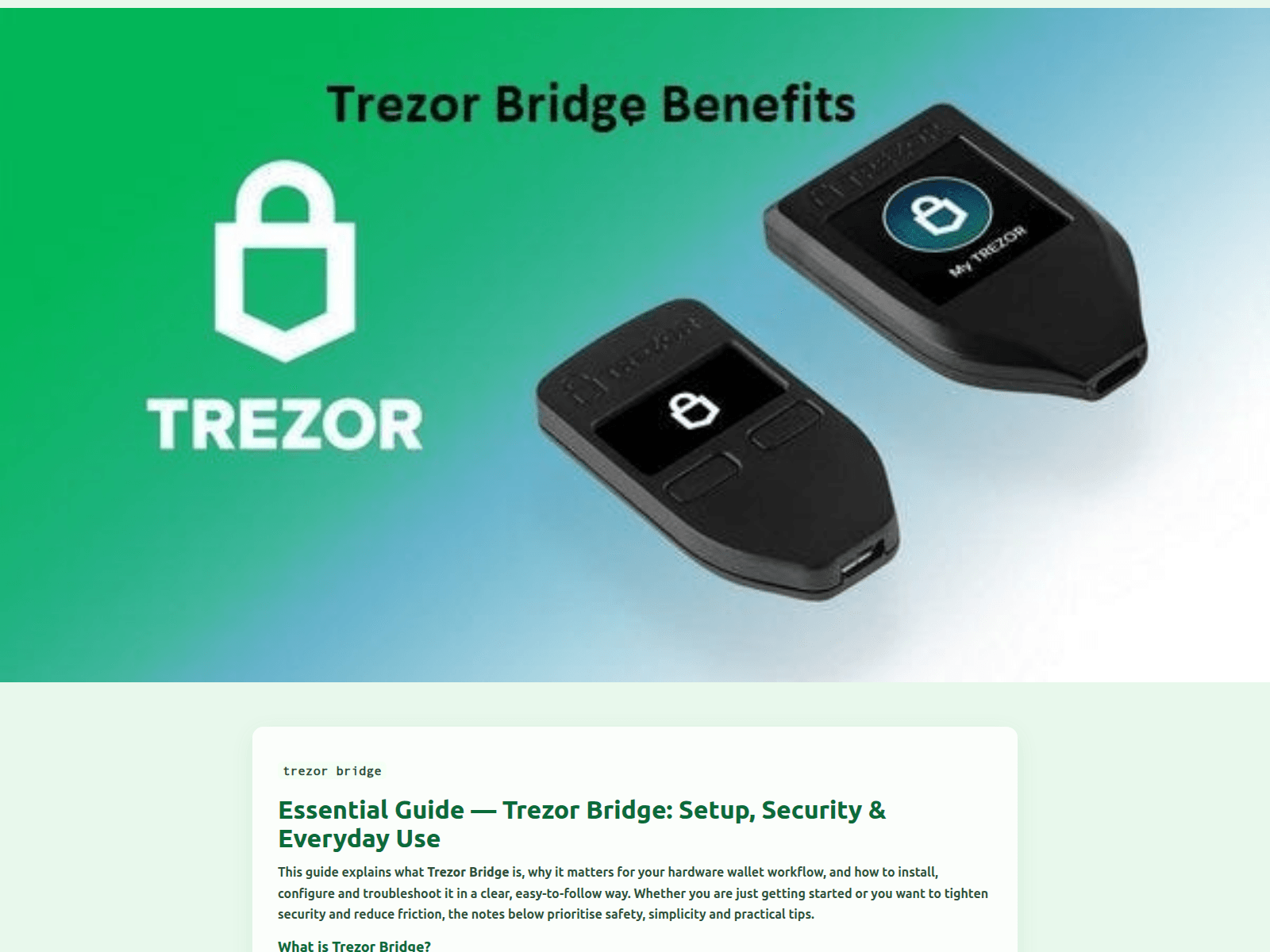
Verifica qualsiasi dominio
Analisi delle minacce utilizzando blocklist archiviate, WHOIS, DNS e prove di scansione pubblica
Scansiona oraSegnala un tentativo di phishing
Segnala i domini sospetti al nostro database delle minacce — proteggi la comunità
SegnalaFeed in tempo reale sulle minacce
Segnalazioni recenti di phishing e modifiche osservate della disponibilità
MonitoraRimani informato, rimani al sicuro
Controlla le minacce in tempo reale oppure contesta questa segnalazione se ritieni che si tratti di un falso positivo