


 ChainPatrol
 Web-Check
  SOCRadar
  LeakIX
Sicurezza del dominio e intelligence sulle minacce

cgl[.]iwp[.]mybluehost[.]me
“Welcome — Próximamente”
Verdetto di minaccia
Critico
Punteggio delle prove 80/100
Disponibilità
Ultimo attivo conosciuto
Ultima osservazione di raggiungibilità memorizzata
Segnali di rischio
Rilevamenti VirusTotal: 6/91
Ultimo attivo conosciuto
Riepilogo del rapporto
cgl.iwp.mybluehost.me — Ultimo attivo conosciuto (HTTP 302). Riepilogo delle prove: VirusTotal 6/91 (alphaMountain.ai, Chong Lua Dao, Emsisoft, Gridinsoft, LevelBlue); CF Radar malicious; PhishDestroy score 80/100. Registrar: Domain.com - Network S….
L’analisi dettagliata di PhishDestroy AI resta in inglese per preservare il rapporto forense originale.
Riepilogo delle prove
CRITICO
cgl.iwp.mybluehost.me is currently active and has been classified as a generic phishing site. The domain was registered on October 05 2016 through Domain.com – Network Solutions, LLC and is hosted on the MyBluehost infrastructure, using the authoritative nameservers ns1.mybluehost.me and ns2.mybluehost.me. DNS resolution points to the IPv4 address 69.6.192.12, which belongs to an Oracle Corporation network (AS31898) located in Spain. The server presents a Sectigo Limited‑issued DV certificate (Sectigo Public Server Authentication CA R36), indicating that TLS is enabled but offering no additional trust.
HTTP requests receive a 302 redirect response, a common technique used to forward victims to malicious payloads or credential‑harvesting pages. The public page title returned by the web server is “Welcome — Próximamente”, and no further content has been collected, leaving the exact phishing landing page unknown. Threat intelligence sources have placed the domain on a single security blocklist and it is explicitly blocked by the PhishDestroy service. VirusTotal analysis reports that 8 of 93 scanned security vendors flag the domain as malicious, reinforcing the suspicion of phishing activity.
The limited number of blocklist appearances suggests that the infrastructure may be newly repurposed or that detection coverage is still expanding. Defenders should consider immediate network‑level blocking of the domain and its resolved IP address, enforce TLS inspection to capture any redirected traffic, and monitor for new sub‑domains under the same registrar and nameserver pair. Continuous re‑scanning with multi‑vendor engines is advised to detect any changes in the detection ratio. Because the underlying content has not been fully enumerated, threat hunters should collect the actual response payloads after following the 302 redirect to confirm the credential‑stealing mechanism and to enrich detection signatures.
VirusTotal
6 det.
CF Radar
Malevolo
URLScan
Certificato TLS
Sectigo Limited / Sectigo Public Server Authentication CA DV R36
Età
9.9 yr
Stato osservato
Ultimo attivo conosciuto 302

Elenco da eliminare
In elenco
Copertura dei dati
VirusTotal
6 / 91
URLQuery
rapporto archiviato: verdetto dettagliato in attesa
PhishStats
non controllato
OTX
no community references
CF Radar
provider verdict: malicious
URLScan capture
rapporto memorizzato
URLScan verdict
Analisi completata
Blocchi DNS
non controllato
TLS
valid certificate, 143d
WHOIS
120 mo old
Screenshot
2 captures · 2 sources
Catena di reindirizzamenti
non sondato
Informazioni sulla sicurezza di rete
Pipeline di risposta alle minacce
Scoperta
Checks
Reports
Disponibilità
14/16
Stato della lista di blocco pubblica
Acquisizione salvata
Analisi dei domini
Dominio
URLScan Verdict
Analisi completata
score 0 report ↗
Server / ASN
Apache · AS31898 ORACLE-BMC-31898, US
Reputazione IP
abuse score 0/100 0 reports checked 16/08/2026
Registrar (base domain)
Domain.com - Network S…
 (US)
(US)
(US)
Indirizzo IP
69.6.192.12

Registration (base domain)mybluehost.me · Creato 05/10/2016 — Expires 05/10/2026
Stato HTTP302 Found (Temporary)
Dettagli tecniciDNS, SAN SSL, timestamp
Rilevato per la prima volta26/12/2025
DOM Analysisanalyzed 10/07/2026score 78/100
IoC Extractionscanned 29/07/20260 wallet · 0 Telegram IoCs
Submitted URLhttp://cgl.iwp.mybluehost.me/
Nameserverns1.mybluehost.mens2.mybluehost.me
TLS Fingerprint
TLS Observationvalid from 06/01/2026scanned 12/03/2026
TLS SAN Domainsbluehost.com
Segnala questo dominio
Invia le prove e contribuisci a proteggere gli altri
Analisi di VirusTotal
6 / I fornitori di sicurezza 91 hanno contrassegnato questo dominio
View on VT
Last analyzed Previous stored snapshot: 8 detections
alphaMountain.ai
Chong Lua Dao
Emsisoft
Gridinsoft
LevelBlue
Webroot
Prove archiviate
Wayback Machine Snapshot
È disponibile un'istantanea storica per la revisione delle prove
Dati e relazioni esterne
Analisi della sicurezza
OSINT e intelligence
DNS e rete
SEO e dominio
Questo sito ti ha influenzato in qualche modo?
If credentials were compromised, report immediately. Do not engage with recovery scammers.
Se hai inserito credenziali dell'account, informazioni personali o di pagamento oppure hai scaricato un file da questo dominio, agisci immediatamente. Di seguito sono riportate le risorse per aiutarti a segnalare l'incidente e proteggerti.

Europol
Trova il canale di segnalazione ufficiale per il tuo paese dell'UE
National police directory

Action Fraud
Segnala frodi e crimini informatici in Inghilterra, Galles e Irlanda del Nord
Contact centre0300 123 2040
PhishDestroy listing review Non un rapporto delle forze dell'ordine
Ricorso in materia di domini
Richiedi una revisione se possiedi questo dominio e ritieni che l'elenco non sia corretto
Attenzione ai truffatori che promettono il recupero dei fondi! I criminali possono contattare nuovamente le vittime fingendo di essere investigatori, avvocati o agenti di recupero. Non pagare commissioni anticipate né condividere credenziali. Scopri di più sulle frodi relative ai sussidi di recupero →
Segnalalo alle autorità locali
Seleziona il tuo Paese per ottenere contatti ufficiali del crimine informatico o creare una bozza di reclamo →.
Elenco di 97 paesi
Bozza assistita dall'intelligenza artificiale: i dettagli dell'incidente vengono elaborati dal fornitore di intelligenza artificiale
Controllalo e invialo tu stesso
Infrastruttura e rapporti correlati
Content matches 4
Shared IP 69.6.192.12 3
Questo IP di origine ospita più domini di phishing: l'infrastruttura può essere condivisa tra campagne.
Stesso registrar: Domain.com - Network S… 6
 admin-dev.blackuptech.com
 Rapporti recenti sulle minacce 4
Rapporti aggiunti di recente dal database PhishDestroy. Questi collegamenti di scoperta non implicano infrastrutture o proprietà condivise.
 quiz-amazon.shop
  bloxpan.com
  rblxhelper.co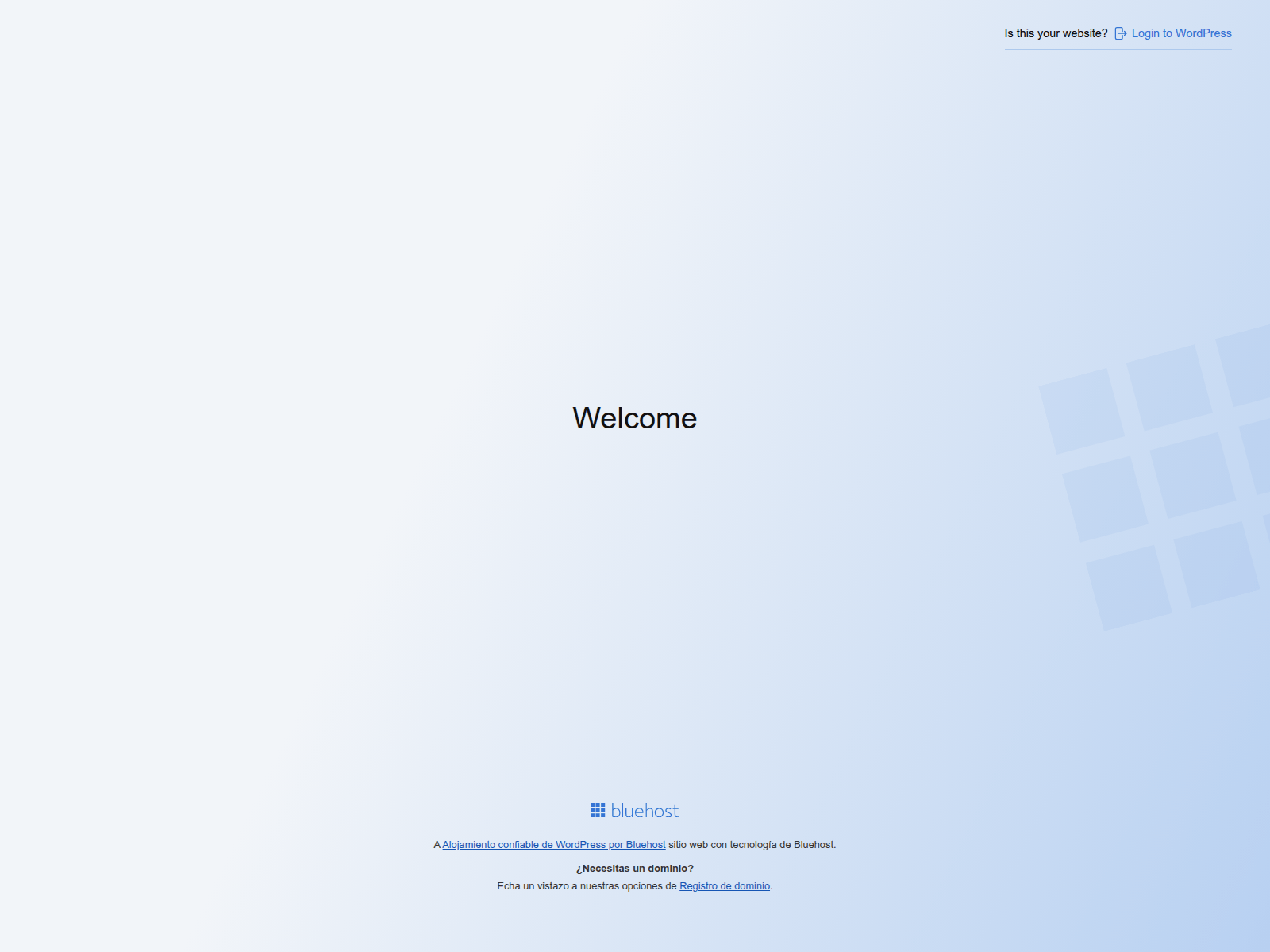
Verifica qualsiasi dominio
Analisi delle minacce utilizzando blocklist archiviate, WHOIS, DNS e prove di scansione pubblica
Scansiona oraSegnala un tentativo di phishing
Segnala i domini sospetti al nostro database delle minacce — proteggi la comunità
SegnalaFeed in tempo reale sulle minacce
Segnalazioni recenti di phishing e modifiche osservate della disponibilità
MonitoraRimani informato, rimani al sicuro
Controlla le minacce in tempo reale oppure contesta questa segnalazione se ritieni che si tratti di un falso positivo