


 ChainPatrol
 Web-Check
  SOCRadar
  LeakIX
ABUSE NOTICE · 7D+ OPEN
Outgoing abuse reports are recorded; the latest stored availability evidence still shows the domain reachable.
Notification and current-status evidence
The sent-report ledger records the first outgoing report at .
The recorded recipient is complaint@gname.com.
The latest stored availability evidence still shows the domain reachable; 6 months has elapsed since the first outgoing report.
ICANN RAA §3.18 describes registrar abuse-contact and handling obligations. This section records outgoing timestamps, listed recipients, case identifiers, and later availability. It does not by itself prove receipt, acknowledgement, investigation, remediation, or contractual non-compliance.
Elapsed since first report
6 months
Reports sent
1
Latest case ID
PD-20260128-B6C0AD
Current status
Observed active at latest stored check
Sécurité des domaines et renseignements sur les menaces

verizon[.]vtoifde[.]cc
“Welcome to nginx!”
Verdict de menace
Critique
89/100 score de preuve
Disponibilité
Non vérifié
L'accessibilité actuelle n'est pas vérifiée
Signaux de risque
Détections VirusTotal : 13/91
Spamhaus DBL: DBL_PHISH
Résumé du rapport
verizon.vtoifde.cc — Non vérifié. Résumé des preuves: VirusTotal 13/91 (Criminal IP, BitDefender, Chong Lua Dao, CRDF, ESET); Spamhaus DBL_PHISH; PhishDestroy score 89/100. Bureau d’enregistrement: Gname.
L’analyse détaillée de PhishDestroy AI reste en anglais afin de préserver le relevé forensique original.
Résumé des preuves
CRITIQUE
The domain verizon.vtoifde.cc, which impersonates x.com, has been taken offline. Despite its current status, it was flagged as malicious by 12 out of 93 vendors on VirusTotal, indicating a significant threat level before its takedown. The site was listed on one public blocklist, specifically PhishDestroy, which first detected the domain on January 28, 2026.
This domain was registered through Gname.com Pte. Ltd. and hosted on an IP address associated with Cloudflare, Inc. in the United States. Notably, the domain did not employ SSL encryption, which is a common characteristic of phishing sites aiming to avoid detection while capturing sensitive user data.
The page displayed a generic "Welcome to nginx!" message, which is often used as a placeholder. This suggests that the attackers might have been in the process of setting up their phishing operation or had already completed their malicious activities by the time of detection. The platform risk score was relatively low at 10 out of 100, potentially due to the swift takedown and limited exposure.
Phishing domains like verizon.vtoifde.cc exploit the critical period between domain registration and widespread detection by antivirus databases. PhishDestroy's proactive monitoring captured this threat early, highlighting the importance of upstream detection systems in identifying and mitigating risks before they proliferate.
Couverture des données
VirusTotal
13 / 91
URLQuery
rapport stocké — verdict détaillé en attente
PhishStats
pas vérifié
OTX
no community references
CF Radar
scan completed
URLScan capture
rapport stocké
URLScan verdict
Analyse terminée
Blocs DNS
pas vérifié
TLS
aucune donnée de certificat
WHOIS
not parsed
Capture d'écran
2 captures · 2 sources
Chaîne de redirection
non sondé
Processus de réponse aux menaces Pipeline
Découverte
Checks
Reports
Disponibilité
12/13
Sent Report Recorded
Stored sent-report record for registrar Gname.com Pte. Ltd., hosting provider, 1 abuse contact
complaint@gname.com
Statut de la liste de blocage publique
Capture enregistrée
Informations sur les domaines
Domaine
URLScan Verdict
Analyse terminée
score 0 report ↗
Serveur / ASN
cloudflare · AS13335 CLOUDFLARENET - Cloudflare, Inc., US
IP Context
Cloudflare shared edge
origin IP hidden
La réputation Edge-IP n’est pas attribuée à ce domaine.
Registrar (base domain)
Gname
 (SG)
(SG)
(SG)
Adresse IP
104.21.0.202
CDN
Localisation San Francisco, US
San Francisco, USRéseauAS13335 · Cloudflare, Inc.
L'adresse IP d'origine est cachée derrière un proxy CDN. Les résultats d’IP inversé pour l’adresse périphérique contiennent des locataires non liés ; trouver l’origine nécessite un DNS passif ou des données de transparence des certificats.
Détails techniquesDNS, SAN SSL, horodatages
Première détection28/01/2026
DOM Analysisanalyzed 23/04/2026score 10/100
IoC Extractionscanned 29/07/20260 wallet · 0 Telegram IoCs
Submitted URLhttp://verizon.vtoifde.cc/
Serveurs de nomsns2.fbi.seized.gov
TLS Observationscanned 15/03/2026
Case ID
Signaler ce domaine
Envoyez des éléments de preuve et contribuez à protéger les autres
Analyse VirusTotal
13 / Les fournisseurs de sécurité 91 ont signalé ce domaine
View on VT
Last analyzed Previous stored snapshot: 12 detections
Criminal IP
BitDefender
Chong Lua Dao
CRDF
ESET
Forcepoint ThreatSeeker
Fortinet
G-Data
Gridinsoft
Lionic
Sophos
VIPRE
Webroot
Preuves archivées
Wayback Machine Snapshot
Un instantané historique est disponible pour l’examen des preuves
Données factuelles et rapports externes
Analyse de sécurité
Submitted Evidence Snapshot
Sent: Ledger records: 1
Case ID:
PD-20260128-B6C0AD Recipient: complaint@gname.com OSINT et renseignement
DNS et réseau
Référencement naturel et nom de domaine
Ce site vous a-t-il affecté ?
If credentials were compromised, report immediately. Do not engage with recovery scammers.
Si vous avez saisi des informations d'identification de compte, des informations personnelles ou de paiement, ou téléchargé un fichier à partir de ce domaine, agissez immédiatement. Vous trouverez ci-dessous des ressources pour vous aider à signaler l'incident et à vous protéger.


Action Fraud
Signaler la fraude et la cybercriminalité en Angleterre, au Pays de Galles et en Irlande du Nord
Contact centre0300 123 2040
PhishDestroy listing review Pas un rapport des forces de l'ordre
Recours en matière de nom de domaine
Demandez un examen si vous possédez ce domaine et pensez que la liste est incorrecte
Méfiez-vous des escrocs qui prétendent vous aider à récupérer vos biens ! Les criminels peuvent recontacter leurs victimes tout en se faisant passer pour des enquêteurs, des avocats ou des agents de recouvrement. Ne payez pas de frais initiaux et ne partagez pas vos informations d'identification. En savoir plus sur la fraude liée aux aides à la reprise →
Signalez-le à vos autorités locales
Sélectionnez votre pays pour obtenir contacts officiels en matière de cybercriminalité ou créer un projet de plainte →.
Annuaire de 97 pays
Brouillon assisté par l'IA : les détails de l'incident sont traités par le fournisseur d'IA
Examinez-le et soumettez-le vous-même
Infrastructure et rapports associés
Content matches 4
Autres rapports sur le bord partagé Cloudflare 1
Ces rapports renvoient à la même adresse IP périphérique partagée. Ils facilitent la découverte des rapports mais n'impliquent pas de propriété commune ni de serveur d'origine partagé.
Même bureau d’enregistrement: Gname 6
 fnlockers.cc
  damnn.desainrumahminimalistz.com
 Rapports récents sur les menaces 4
Rapports récemment ajoutés à partir de la base de données PhishDestroy. Ces liens de découverte n’impliquent pas d’infrastructure ou de propriété partagée.
 zoom-meetings.live
  cnear.com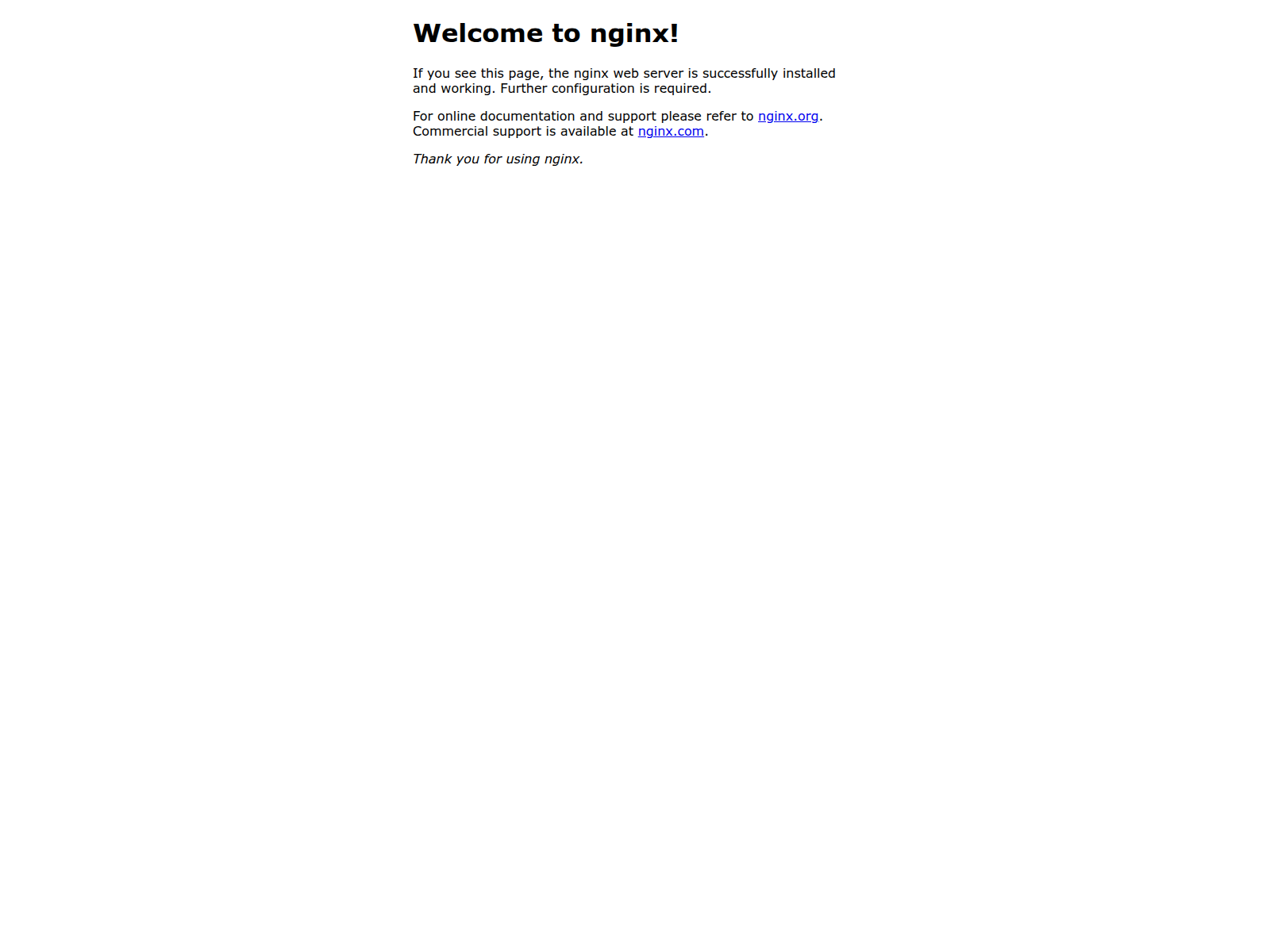
Vérifier n'importe quel domaine
Analyse des menaces à l'aide de listes de blocage stockées, de WHOIS, de DNS et de preuves d'analyse publique
Scanner maintenantSignaler une tentative d'hameçonnage
Signalez les domaines suspects à notre base de données des menaces — protégez la communauté
SignalerFlux d'alertes en temps réel
Rapports de phishing récents et changements de disponibilité observés
SurveillerRestez informés, restez en sécurité
Surveillez les menaces en temps réel ou signalez cette alerte si vous pensez qu'il s'agit d'un faux positif