



 ChainPatrol
 Web-Check
  SOCRadar
  LeakIX
Sécurité des domaines et renseignements sur les menaces

mphengbona[.]co[.]za
“My Blog – My WordPress Blog”
Verdict de menace
Critique
95/100 score de preuve
Disponibilité
Non vérifié
L'accessibilité actuelle n'est pas vérifiée
Signaux de risque
Détections VirusTotal : 16/93
Type d'arnaque : Credential Phishing
Résumé du rapport
mphengbona.co.za — Non vérifié. Type d'arnaque : Credential Phishing. Résumé des preuves: VirusTotal 16/93 (ADMINUSLabs, alphaMountain.ai, BitDefender, CRDF, CyRadar); PhishDestroy score 95/100. Bureau d’enregistrement: Domains.
L’analyse détaillée de PhishDestroy AI reste en anglais afin de préserver le relevé forensique original.
Résumé des preuves
CRITIQUE
This domain, mphengbona.co.za, operates as a fake login portal designed to harvest user credentials. Analysis indicates the infrastructure mimics legitimate authentication pages, tricking visitors into entering sensitive information such as usernames, passwords, or multi-factor authentication codes. The site employs a 404 Not Found page as a cloaking mechanism, likely to evade automated detection while still capturing data from unsuspecting users who reach it through deceptive links or redirects. Infrastructure analysis reveals multiple red flags confirming its malicious nature. The domain was registered on February 21, 2026, through the registrar Domains, an unusually future-dated creation that may indicate an attempt to bypass reputation-based filters. Security vendors on VirusTotal flagged it as malicious, with 16 out of 95 engines detecting it as a phishing threat. Additionally, the domain resolves to the IP address 169.239.218.62, hosted on AS327979 (DIAMATRIX C.C) in South Africa, and appears on one security blocklist. The SSL certificate, issued by Let’s Encrypt (R13), provides minimal encryption, a common tactic to lend false legitimacy to phishing sites. If you visited mphengbona.co.za or entered credentials on a page resembling this domain, immediate action is required. First, revoke any active sessions on accounts that may have been exposed and change passwords using a secure device. Enable multi-factor authentication if not already active, and monitor linked accounts for unauthorized activity. Report the incident to your organization’s security team or a trusted incident response provider. Avoid reusing passwords across platforms, and consider scanning your device for malware, as phishing sites often deploy additional payloads. If financial or sensitive data was submitted, contact relevant institutions to flag potential fraud.
VirusTotal
16 det.
URLScan
Certificat TLS
Expiré ou non vérifié -120d
Statut observé
Non vérifié

DestroyList
Répertorié
Couverture des données
VirusTotal
16 / 93
URLQuery
pas vérifié
PhishStats
checked — no match recorded
OTX
no community references
CF Radar
scan completed
URLScan capture
rapport stocké
URLScan verdict
Analyse terminée
Blocs DNS
pas vérifié
TLS
Expiré ou non vérifié
WHOIS
not parsed
Capture d'écran
2 captures · 2 sources
Chaîne de redirection
non sondé
Processus de réponse aux menaces Pipeline
Découverte
Checks
Reports
Disponibilité
14/16
Statut de la liste de blocage publique
Capture enregistrée
Informations sur les domaines
Domaine
URLScan Verdict
Analyse terminée
score 0 report ↗
Serveur / ASN
LiteSpeed · AS327979 DIAMATRIX, ZA
Réputation de l’IP
abuse score 0/100 0 reports checked 28/07/2026
Bureau d’enregistrement
Domaines
 (CA)
(CA)
(CA)
Détails techniquesDNS, SAN SSL, horodatages
Première détection29/01/2026
DOM Analysisanalyzed 28/07/2026score 88/100
IoC Extractionscanned 02/08/20260 wallet · 0 Telegram IoCs
Submitted URLhttp://mphengbona.co.za/
Serveurs de nomsns1.tld-ns.netns2.tld-ns.comns3.tld-ns.netns4.tld-ns.com
TLS Fingerprint
TLS Observationvalid from 18/01/2026scanned 15/03/2026
TLS SAN Domainsautodiscover.mphengbona.co.zacpanel.mphengbona.co.zacpcalendars.mphengbona.co.zacpcontacts.mphengbona.co.zamail.mphengbona.co.zawebdisk.mphengbona.co.zawebmail.mphengbona.co.zawww.mphengbona.co.za
Technologies · 2 identified
L
LiteSpeed
Web servers
H
HTTP/3
Miscellaneous
HTTP/3 is the third major version of the Hypertext Transfer Protocol used to exchange information on the World Wide Web.
httpwg.org Confiance à 100 %
Detected via Cloudflare Radar · Wappalyzer engine
Signaler ce domaine
Envoyez des éléments de preuve et contribuez à protéger les autres
Analyse VirusTotal
16 / Les fournisseurs de sécurité 93 ont signalé ce domaine
View on VT
Last analyzed
ADMINUSLabs
alphaMountain.ai
BitDefender
CRDF
CyRadar
ESET
Fortinet
G-Data
Google Safebrowsing
Gridinsoft
Lionic
MalwareURL
Seclookup
SOCRadar
Sophos
VIPRE
Preuves archivées
Wayback Machine Snapshot
Un instantané historique est disponible pour l’examen des preuves
Analyse de la configuration du site
Stored observations are retained with their original collection time.
robots.txt
Present · HTTP 200
Valid robots.txt; no Disallow/Allow paths were extracted.
Données factuelles et rapports externes
Analyse de sécurité
OSINT et renseignement
DNS et réseau
Référencement naturel et nom de domaine
Ce site vous a-t-il affecté ?
If credentials were compromised, report immediately. Do not engage with recovery scammers.
Si vous avez saisi des informations d'identification de compte, des informations personnelles ou de paiement, ou téléchargé un fichier à partir de ce domaine, agissez immédiatement. Vous trouverez ci-dessous des ressources pour vous aider à signaler l'incident et à vous protéger.


Action Fraud
Signaler la fraude et la cybercriminalité en Angleterre, au Pays de Galles et en Irlande du Nord
Contact centre0300 123 2040
PhishDestroy listing review Pas un rapport des forces de l'ordre
Recours en matière de nom de domaine
Demandez un examen si vous possédez ce domaine et pensez que la liste est incorrecte
Méfiez-vous des escrocs qui prétendent vous aider à récupérer vos biens ! Les criminels peuvent recontacter leurs victimes tout en se faisant passer pour des enquêteurs, des avocats ou des agents de recouvrement. Ne payez pas de frais initiaux et ne partagez pas vos informations d'identification. En savoir plus sur la fraude liée aux aides à la reprise →
Signalez-le à vos autorités locales
Sélectionnez votre pays pour obtenir contacts officiels en matière de cybercriminalité ou créer un projet de plainte →.
Annuaire de 97 pays
Brouillon assisté par l'IA : les détails de l'incident sont traités par le fournisseur d'IA
Examinez-le et soumettez-le vous-même
Infrastructure et rapports associés
Content matches 4

Même bureau d’enregistrement: Domains 5
 edureach.co.za
 Rapports récents sur les menaces 4
Rapports récemment ajoutés à partir de la base de données PhishDestroy. Ces liens de découverte n’impliquent pas d’infrastructure ou de propriété partagée.
 moonshot-listing-czg.netlify.app
  etherecompile.org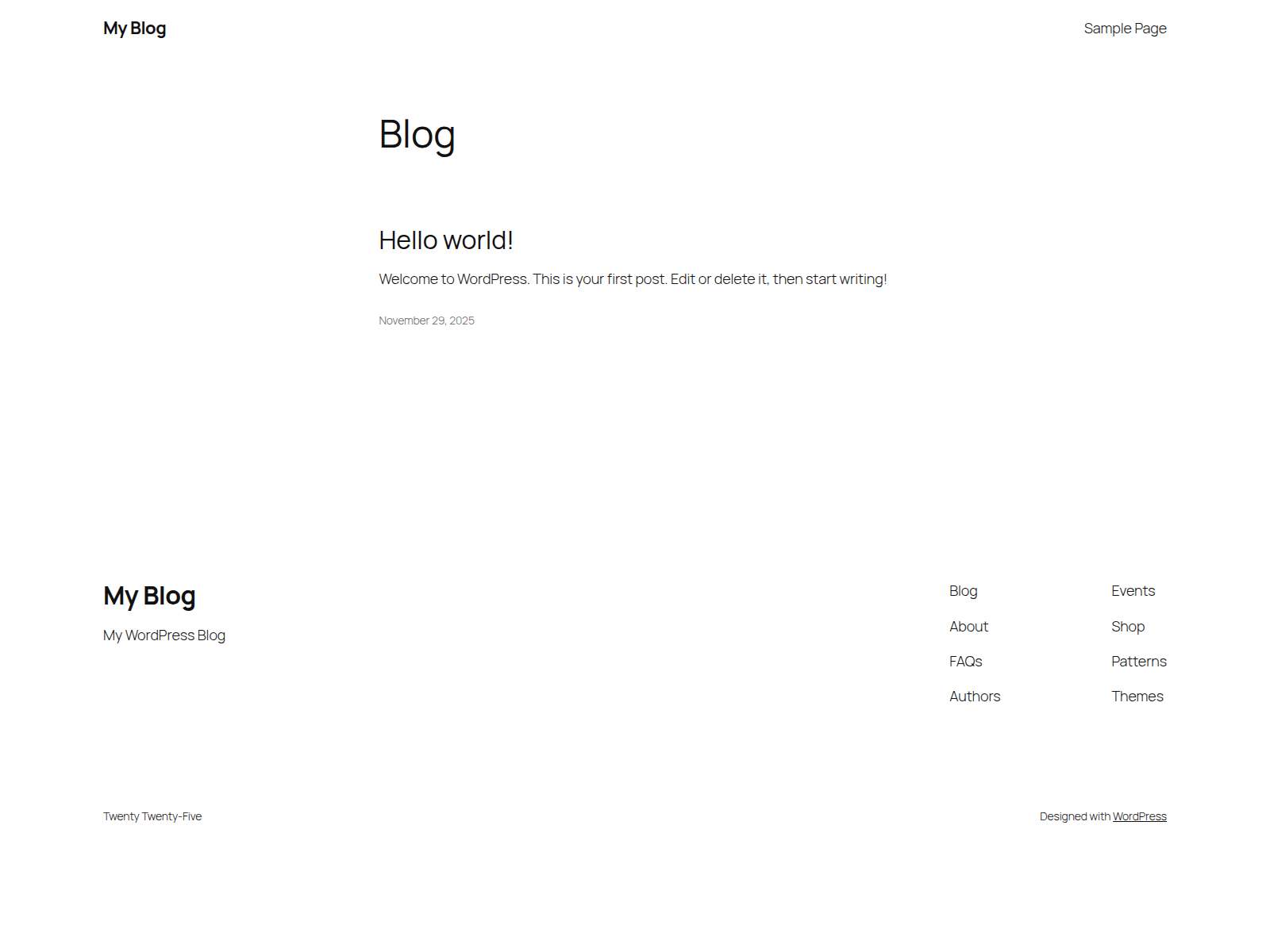
Vérifier n'importe quel domaine
Analyse des menaces à l'aide de listes de blocage stockées, de WHOIS, de DNS et de preuves d'analyse publique
Scanner maintenantSignaler une tentative d'hameçonnage
Signalez les domaines suspects à notre base de données des menaces — protégez la communauté
SignalerFlux d'alertes en temps réel
Rapports de phishing récents et changements de disponibilité observés
SurveillerRestez informés, restez en sécurité
Surveillez les menaces en temps réel ou signalez cette alerte si vous pensez qu'il s'agit d'un faux positif