


 ChainPatrol
 Web-Check
  SOCRadar
  LeakIX
Sécurité des domaines et renseignements sur les menaces

fidelityworkplacebw[.]shop
“Log In to Fidelity NetBenefits”
Verdict de menace
Critique
95/100 score de preuve
Disponibilité
Contenu indisponible
Le contenu n'était pas disponible dans la dernière observation
Signaux de risque
Détections VirusTotal : 16/93
Type d'arnaque : Banking Phishing
Résumé du rapport
fidelityworkplacebw.shop — Contenu indisponible. Type d'arnaque : Banking Phishing. Résumé des preuves: VirusTotal 16/93 (ADMINUSLabs, alphaMountain.ai, BitDefender, CRDF, CyRadar); PhishDestroy score 95/100.
L’analyse détaillée de PhishDestroy AI reste en anglais afin de préserver le relevé forensique original.
Résumé des preuves
CRITIQUE
This domain, fidelityworkplacebw.shop, is identified as a credential harvesting portal specifically designed to impersonate the legitimate Fidelity NetBenefits login interface. The threat type is classified as a fake login page targeting users of financial and retirement benefit services. As of the latest verification, the domain has been taken offline, though prior activity remains a concern for retrospective analysis and potential re-emergence. Analysis indicates the domain was flagged by 16 of 95 security vendors on VirusTotal, reflecting a moderate-to-high detection rate. Infrastructure analysis reveals the domain was registered on February 21, 2026, an anomalous future date suggesting potential manipulation or misconfiguration. It resolved to the IP address 43.162.112.41, hosted under AS132203 in a data center located in the US, despite the autonomous system being associated with an overseas provider. The SSL certificate was graded E8, indicating poor cryptographic practices or potential misuse. The domain appears on two security blocklists and is explicitly blocked by at least two threat intelligence feeds. Current status confirms the domain is offline, reducing immediate exposure risk. However, the infrastructure and registration anomalies warrant continued monitoring. Organizations and individuals are advised to review logs for connections to 43.162.112.41 or fidelityworkplacebw.shop, particularly from February 2024 onward. End users should be alerted to verify domain authenticity before entering credentials, especially for financial or benefits-related platforms. Security teams are recommended to update blocklists with the domain and IP, and to implement domain generation algorithm (DGA) detection rules to identify similar impersonation attempts.
VirusTotal
16 det.
OTX references
URLScan
Certificat TLS
Expiré ou non vérifié -180d
Âge
6 mo
Statut observé
Contenu indisponible

DestroyList
Répertorié
Couverture des données
VirusTotal
16 / 93
URLQuery
rapport stocké — verdict détaillé en attente
PhishStats
pas vérifié
OTX
13 community references
CF Radar
no data
URLScan capture
rapport stocké
URLScan verdict
verdict indisponible
Blocs DNS
pas vérifié
TLS
Expiré ou non vérifié
WHOIS
6 mo old
Capture d'écran
2 captures · 2 sources
Chaîne de redirection
non sondé
Processus de réponse aux menaces Pipeline
Découverte
Checks
Reports
Disponibilité
10/11
Statut de la liste de blocage publique
Capture enregistrée
Informations sur les domaines
Domaine
Serveur / ASN
AS132203 TENCENT-NET-AP-CN Tencent Building, Kejizhongyi Avenue, CN
Réputation de l’IP
abuse score 0/100 1 report checked 15/06/2026
Adresse IP
43.162.112.41

Localisation Santa Clara, US
Santa Clara, USRéseauAS132203 · Tencent Building, Kejizhongyi Avenue
EnregistrementCréé 21/02/2026 (173d)
Détails techniquesDNS, SAN SSL, horodatages
Première détection26/02/2026
DOM Analysisanalyzed 24/03/2026score 83/100
IoC Extractionscanned 01/08/20260 wallet · 0 Telegram IoCs
TLS Observationvalid from 18/11/2025
Analyse forensique
Signaler ce domaine
Envoyez des éléments de preuve et contribuez à protéger les autres
Analyse VirusTotal
16 / Les fournisseurs de sécurité 93 ont signalé ce domaine
View on VT
Last analyzed
ADMINUSLabs
alphaMountain.ai
BitDefender
CRDF
CyRadar
Fortinet
G-Data
Lionic
MalwareURL
Phishing Database
PhishLabs
Seclookup
SOCRadar
Sophos
VIPRE
Webroot
Données factuelles et rapports externes
Analyse de sécurité
OSINT et renseignement
DNS et réseau
Référencement naturel et nom de domaine
Ce site vous a-t-il affecté ?
If credentials were compromised, report immediately. Do not engage with recovery scammers.
Si vous avez saisi des informations d'identification de compte, des informations personnelles ou de paiement, ou téléchargé un fichier à partir de ce domaine, agissez immédiatement. Vous trouverez ci-dessous des ressources pour vous aider à signaler l'incident et à vous protéger.


Action Fraud
Signaler la fraude et la cybercriminalité en Angleterre, au Pays de Galles et en Irlande du Nord
Contact centre0300 123 2040
PhishDestroy listing review Pas un rapport des forces de l'ordre
Recours en matière de nom de domaine
Demandez un examen si vous possédez ce domaine et pensez que la liste est incorrecte
Méfiez-vous des escrocs qui prétendent vous aider à récupérer vos biens ! Les criminels peuvent recontacter leurs victimes tout en se faisant passer pour des enquêteurs, des avocats ou des agents de recouvrement. Ne payez pas de frais initiaux et ne partagez pas vos informations d'identification. En savoir plus sur la fraude liée aux aides à la reprise →
Signalez-le à vos autorités locales
Sélectionnez votre pays pour obtenir contacts officiels en matière de cybercriminalité ou créer un projet de plainte →.
Annuaire de 97 pays
Brouillon assisté par l'IA : les détails de l'incident sont traités par le fournisseur d'IA
Examinez-le et soumettez-le vous-même
Infrastructure et rapports associés
Content matches 4
Shared IP 43.162.112.41 6
Cette adresse IP d'origine héberge plusieurs domaines de phishing : l'infrastructure peut être partagée entre les campagnes.
Rapports récents sur les menaces 4
Rapports récemment ajoutés à partir de la base de données PhishDestroy. Ces liens de découverte n’impliquent pas d’infrastructure ou de propriété partagée.
 uproject.io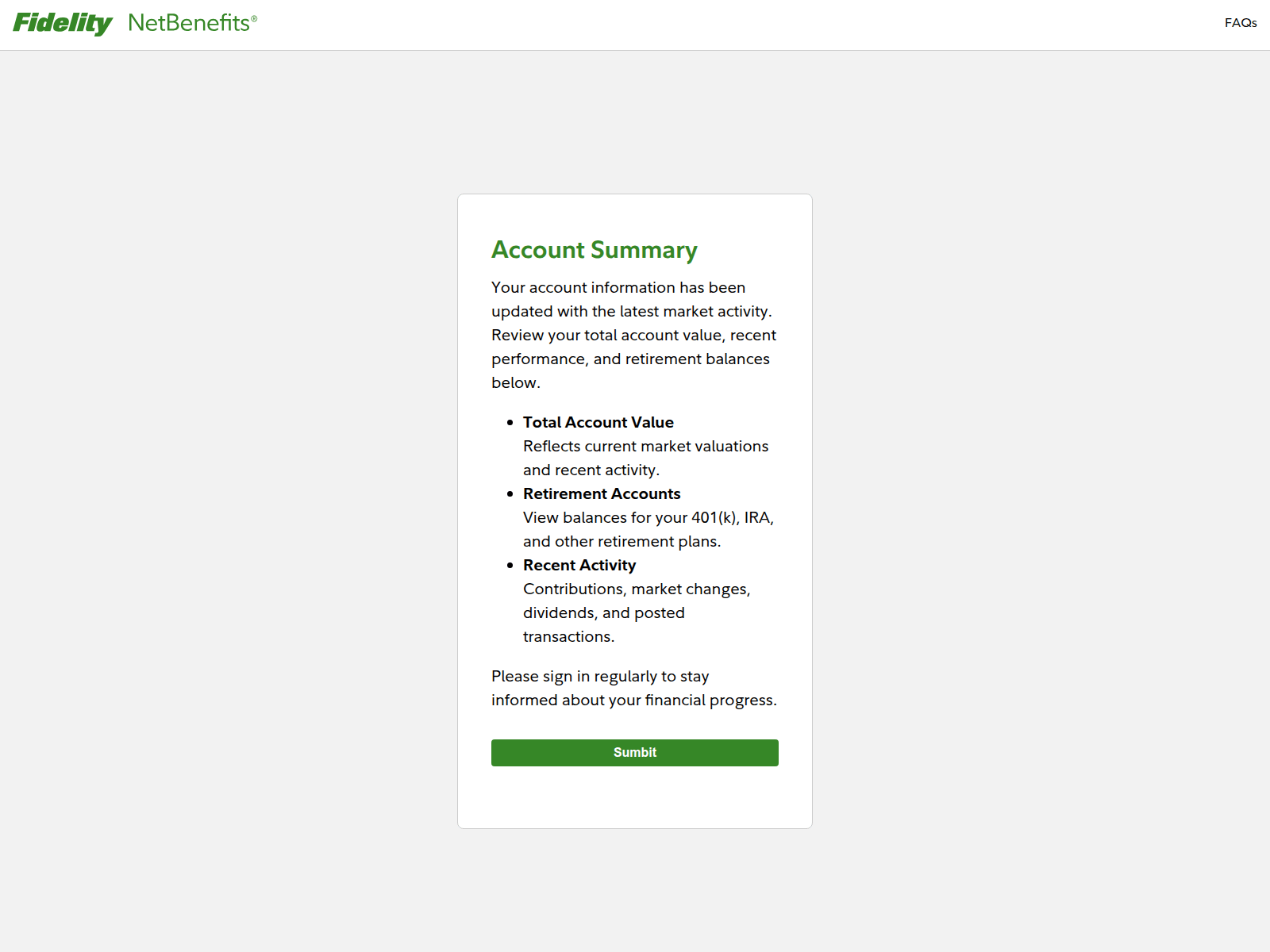
Vérifier n'importe quel domaine
Analyse des menaces à l'aide de listes de blocage stockées, de WHOIS, de DNS et de preuves d'analyse publique
Scanner maintenantSignaler une tentative d'hameçonnage
Signalez les domaines suspects à notre base de données des menaces — protégez la communauté
SignalerFlux d'alertes en temps réel
Rapports de phishing récents et changements de disponibilité observés
SurveillerRestez informés, restez en sécurité
Surveillez les menaces en temps réel ou signalez cette alerte si vous pensez qu'il s'agit d'un faux positif