



 ChainPatrol
 Web-Check
  SOCRadar
  LeakIX
Sécurité des domaines et renseignements sur les menaces

execpts-nxieffulgent-cranachan-tansbm[.]netlify[.]app
“네이버 : 로그인”
Verdict de menace
Critique
97/100 score de preuve
Disponibilité
Contenu indisponible
Le contenu n'était pas disponible dans la dernière observation
Signaux de risque
Détections VirusTotal : 14/95
Usurpation de l'identité de la marque : Naver
Résumé du rapport
execpts-nxieffulgent-cranachan-tansbm.netlify.app — Contenu indisponible. Usurpation de l'identité de la marque : Naver; Type d'arnaque : Brand Impersonation. Résumé des preuves: VirusTotal 14/95 (ADMINUSLabs, Criminal IP, alphaMountain.ai, BitDefender, CyRadar); Google Safe Browsing flagged; CF Radar malicious; PhishDestroy score 97/100. Bureau d’enregistrement: Netlify.
L’analyse détaillée de PhishDestroy AI reste en anglais afin de préserver le relevé forensique original.
Résumé des preuves
CRITIQUE
Analysis of execpts-nxieffulgent-cranachan-tansbm.netlify.app, observed on July 24 2026, shows the site is currently offline, returning HTTP 404 for the root URL. The domain is hosted on Netlify infrastructure, evident from the technology fingerprint Netlify and the presence of HTTP Strict Transport Security (HSTS). DNS resolution points to 98.84.224.111, an address owned by Amazon.com, Inc. (AS14618) and located in the United States. The authoritative nameservers are dns1.p04.nsone.net and dns2.p04.nsone.net, consistent with Netlify’s default deployment. A DigiCert Global G2 TLS RSA SHA256 2020 CA1 certificate secures the site, indicating a valid, publicly trusted SSL chain despite the malicious intent.
Brand‑impersonation activity is confirmed by the page title “네이버 : 로그인”, which translates to “Naver : Login”, and the intelligence explicitly labels the scam as targeting Naver. VirusTotal records show 14 of 95 scanned security vendors flagged the domain, suggesting a moderate consensus among scanners that the content is malicious. Google Safe Browsing classifies the URL as a social‑engineering threat, and the domain appears on the PhishDestroy blocklist, reinforcing its reputation as a phishing host. Scamadviser assigns a trust score of 1 / 100, reflecting extreme risk.
The limited public evidence does not reveal the specific payload or credential‑harvesting mechanism, and the site’s offline status prevents direct observation of malicious pages. Consequently, the exact tactics used to lure victims remain uncertain. Defenders should block or sinkhole the domain at network perimeter, update URL filtering and email protection rules to include the full domain, and monitor for future resurrection or similar Netlify‑hosted impersonation attempts. Continuous re‑scanning of the domain after any change in status is advised to capture potential re‑activation.
VirusTotal
14 det.
CF Radar
Malveillant
URLScan
Scamadviser
1/100
Certificat TLS
DigiCert Inc / DigiCert Global G2 TLS RSA SHA256 2020 CA1
Statut observé
Contenu indisponible

DestroyList
Répertorié
Couverture des données
VirusTotal
14 / 95
URLQuery
rapport stocké — verdict détaillé en attente
PhishStats
pas vérifié
OTX
no community references
CF Radar
provider verdict: malicious
URLScan capture
rapport stocké
URLScan verdict
verdict indisponible
Blocs DNS
pas vérifié
TLS
valid certificate, 211d
WHOIS
not parsed
Capture d'écran
2 captures · 2 sources
Chaîne de redirection
non sondé
Scamadviser
1/100
Signaux de sécurité
 Scamadviser Warnings
1/100
Scamadviser Warnings
1/100
Renseignements sur la sécurité réseau
Processus de réponse aux menaces Pipeline
Découverte
Checks
Reports
Disponibilité
15/16
Statut de la liste de blocage publique
Capture enregistrée
Informations sur les domaines
Domaine
Google Safe Browsing
Marqué
Social engineering checked 25/02/2026
Serveur / ASN
Netlify · AS14618 AMAZON-AES, US
IP Context
Netlify shared edge
origin IP hidden
La réputation Edge-IP n’est pas attribuée à ce domaine.
Fournisseur de plateforme
Netlify
 (US)
(US)
(US)
Adresse IP
98.84.224.111
CDN
Localisation Ashburn, US
Ashburn, USRéseauAS14618 · Amazon.com, Inc.
L'adresse IP d'origine est cachée derrière un proxy CDN. Les résultats d’IP inversé pour l’adresse périphérique contiennent des locataires non liés ; trouver l’origine nécessite un DNS passif ou des données de transparence des certificats.
Détails techniquesDNS, SAN SSL, horodatages
Première détection20/10/2025
DOM Analysisanalyzed 29/07/2026score 0/1001 brand signal
IoC Extractionscanned 02/08/20260 wallet · 0 Telegram IoCs
Submitted URLhttp://execpts-nxieffulgent-cranachan-tansbm.netlify.app/
Serveurs de nomsdns1.p04.nsone.netdns2.p04.nsone.net
TLS Fingerprint
TLS Observationvalid from 16/02/2026scanned 11/03/2026
TLS SAN Domainsnetlify.app
Technologies · 2 identified
N
Netlify
PaaS
CDN
Netlify providers hosting and server-less backend services for web applications and static websites.
www.netlify.com Confiance à 100 %
H
HSTS
Sécurité
HTTP Strict Transport Security (HSTS) informs browsers that the site should only be accessed using HTTPS.
www.rfc-editor.org Confiance à 100 %
Detected via Cloudflare Radar · Wappalyzer engine
Signaler ce domaine
Envoyez des éléments de preuve et contribuez à protéger les autres
Analyse VirusTotal
14 / Les fournisseurs de sécurité 95 ont signalé ce domaine
View on VT
Last analyzed
ADMINUSLabs
Criminal IP
alphaMountain.ai
BitDefender
CyRadar
Forcepoint ThreatSeeker
Fortinet
G-Data
Google Safebrowsing
Kaspersky
Lionic
Sophos
VIPRE
Webroot
Preuves archivées
Wayback Machine Snapshot
Un instantané historique est disponible pour l’examen des preuves
Analyse des performances du site
Google PageSpeed Insights — mobile performance audit of execpts-nxieffulgent-cranachan-tansbm.netlify.app · checked Mar 2, 2026
100
Good
Performance
FCP
0.79s
First Contentful Paint
LCP
0.79s
Largest Contentful Paint
CLS
0
Cumulative Layout Shift
TBT
0ms
Total Blocking Time
SI
0.8s
Speed Index
Powered by Google PageSpeed Insights · Mobile strategy · Scores: 90-100 Good 50-89 Needs Work 0-49 Poor
Données factuelles et rapports externes
Analyse de sécurité
OSINT et renseignement
DNS et réseau
Référencement naturel et nom de domaine
Ce site vous a-t-il affecté ?
If credentials were compromised, report immediately. Do not engage with recovery scammers.
Si vous avez saisi des informations d'identification de compte, des informations personnelles ou de paiement, ou téléchargé un fichier à partir de ce domaine, agissez immédiatement. Vous trouverez ci-dessous des ressources pour vous aider à signaler l'incident et à vous protéger.


Action Fraud
Signaler la fraude et la cybercriminalité en Angleterre, au Pays de Galles et en Irlande du Nord
Contact centre0300 123 2040
PhishDestroy listing review Pas un rapport des forces de l'ordre
Recours en matière de nom de domaine
Demandez un examen si vous possédez ce domaine et pensez que la liste est incorrecte
Méfiez-vous des escrocs qui prétendent vous aider à récupérer vos biens ! Les criminels peuvent recontacter leurs victimes tout en se faisant passer pour des enquêteurs, des avocats ou des agents de recouvrement. Ne payez pas de frais initiaux et ne partagez pas vos informations d'identification. En savoir plus sur la fraude liée aux aides à la reprise →
Signalez-le à vos autorités locales
Sélectionnez votre pays pour obtenir contacts officiels en matière de cybercriminalité ou créer un projet de plainte →.
Annuaire de 97 pays
Brouillon assisté par l'IA : les détails de l'incident sont traités par le fournisseur d'IA
Examinez-le et soumettez-le vous-même
Infrastructure et rapports associés
Autres rapports sur le bord partagé Netlify 6
Ces rapports renvoient à la même adresse IP périphérique partagée. Ils facilitent la découverte des rapports mais n'impliquent pas de propriété commune ni de serveur d'origine partagé.
Même bureau d’enregistrement: Netlify 6
 deploy-preview-19103--ethereumorg.netlify.app
  buzzyt.netlify.app
 Naver impersonation 8
These domains also target Naver users. View all Naver threats →
probable-funicular.vercel.app 23
solid-potato-gamma.vercel.app 23
ephemeral-lollipop-27f257.netlify.app 22
extraordinary-pastelito-8d4c5e.netlify.app 22
reimagined-funicular-ivory.vercel.app 22
scaling-waffle-sigma.vercel.app 22
ynabioueconus-meriescs-experinces-t.vercel.app 22
692e63c6e33d1db827f89d21--thunderous-sorbet-780abf.netlify.app 21
 reimagined-funicular-ivory.vercel.app
 Rapports récents sur les menaces 6
Rapports récemment ajoutés à partir de la base de données PhishDestroy. Ces liens de découverte n’impliquent pas d’infrastructure ou de propriété partagée.
 metamask-k.blogspot.com.ng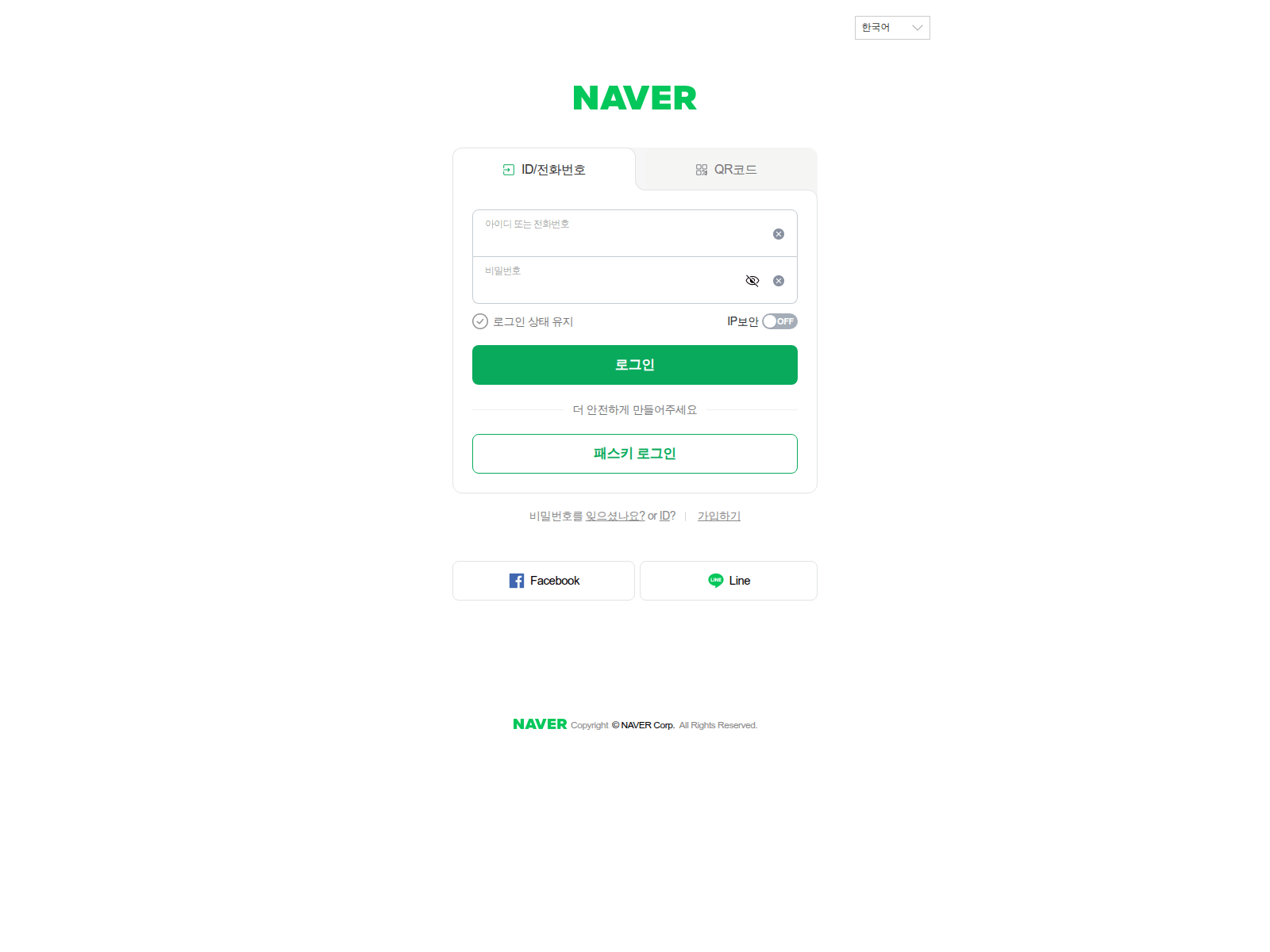
Vérifier n'importe quel domaine
Analyse des menaces à l'aide de listes de blocage stockées, de WHOIS, de DNS et de preuves d'analyse publique
Scanner maintenantSignaler une tentative d'hameçonnage
Signalez les domaines suspects à notre base de données des menaces — protégez la communauté
SignalerFlux d'alertes en temps réel
Rapports de phishing récents et changements de disponibilité observés
SurveillerRestez informés, restez en sécurité
Surveillez les menaces en temps réel ou signalez cette alerte si vous pensez qu'il s'agit d'un faux positif