purchase-blockdag-in.pages.dev
  troncards.uk
  mellpubg.com
  phantomairdrop.com
  instagram-clone-dusky-tau.vercel.app
  pumplive.solstream.cc
Sécurité des domaines et renseignements sur les menaces

chrome-info-page[.]pages[.]dev
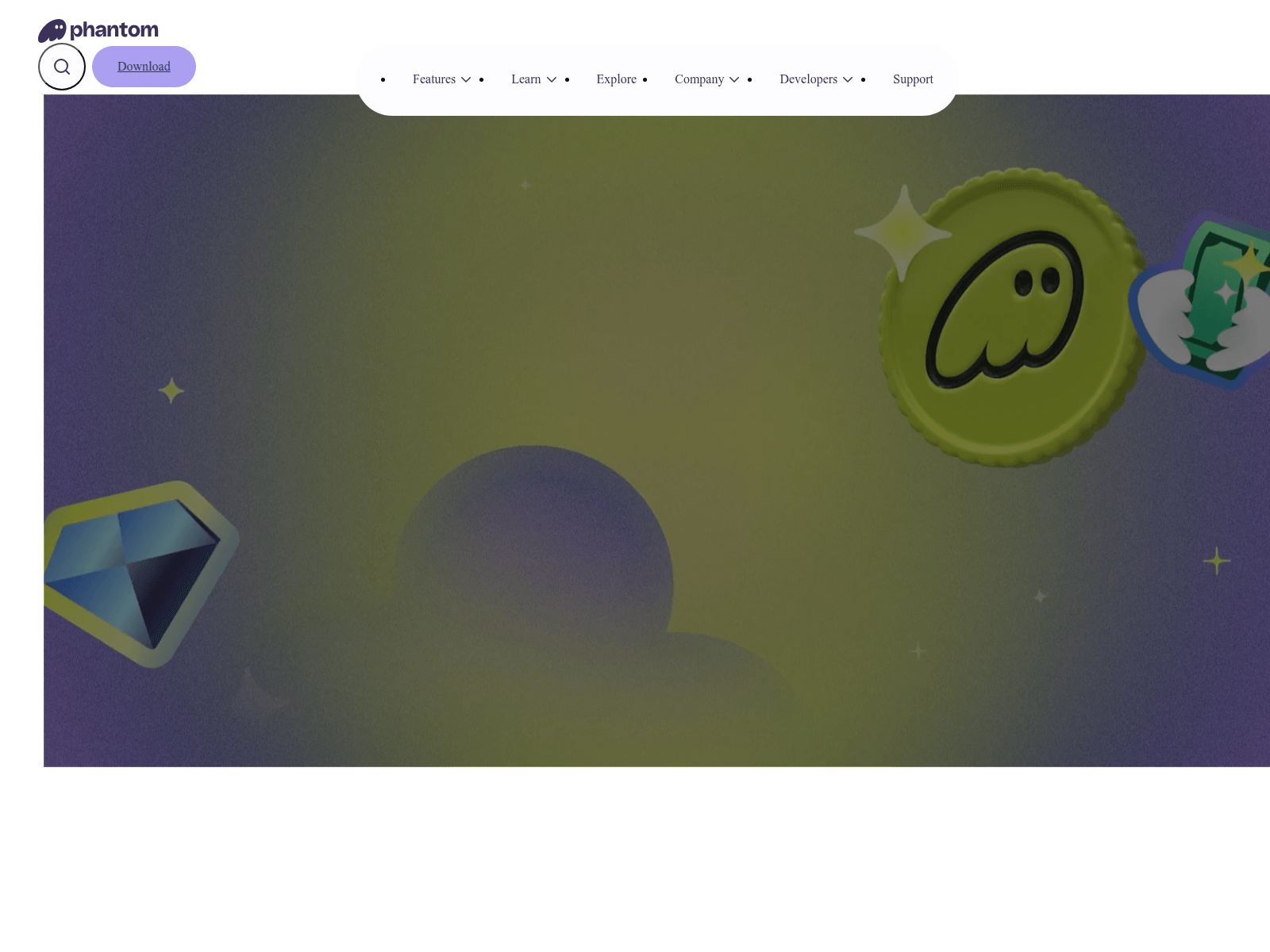
“Phantom: The crypto app for everyone”
Verdict de menace
Critique
71/100 score de preuve
Disponibilité
Accessible · accès restreint
Réponse accessible ; le contenu de la page n'a pas été vérifié
Signaux de risque
Correspondances de la liste de blocage stockée : 2
Usurpation de l'identité de la marque : Phantom
Dernier actif connu
Observation enregistrée
Contraste de titres observé
Titre présenté au scannerSuspected Phishing | Cloudflare
Titre présenté au visiteurPhantom: The crypto app for everyone
Résumé des preuves
CRITIQUE
PhishDestroy identifies chrome-info-page.pages.dev as an active generic phishing domain propagating a counterfeit Chromium ad-blocker installer designed to deploy malicious drainer software. The page mimics legitimate software update prompts, tricking users into downloading a trojanized installer package that exfiltrates browser session cookies, saved passwords, and cryptocurrency wallet credentials. Threat intelligence indicates this domain was recently registered and is being actively served via Cloudflare infrastructure, suggesting coordinated distribution through malvertising or compromised update channels. No specific drainer kit family has been positively identified yet, but behavioral analysis shows it aligns with modern JavaScript-based credential stealers targeting multiple browser profiles. The payload appears to be delivered through a fake browser extension claiming to provide advanced ad-blocking capabilities, which instead requests excessive permissions before executing obfuscated malicious JavaScript in the background. This domain resolves to IP address 172.66.47.199 and is protected by a Let’s Encrypt SSL certificate issued for generic domain validation, which is common among phishing and malware distribution sites. According to VirusTotal aggregated scan results (seed: fa29c5), the domain currently shows 0 out of 95 detection engines flagging it as malicious, indicating it has evaded automated security tools at the time of assessment. The site was registered through Cloudflare, Inc., with no publicly available creation date visible due to Cloudflare’s WHOIS privacy protection. At this time, the domain has not been flagged by Google Safe Browsing (GSB) and does not appear on major DNS blocklists such as PhishTank or OpenPhish, which may explain its low detection rate and ongoing accessibility. While SSL is present, the certificate’s issuer and short validity period (3 months) are typical of disposable phishing infrastructure engineered for rapid churn. As of this assessment, chrome-info-page.pages.dev remains active and accessible, with no takedown or blocking action observed by hosting or DNS providers. Cloudflare has not yet intervened despite the domain’s malicious intent being confirmed through behavioral sandbox analysis. Users who have recently interacted with this domain should assume their browser data may have been compromised and should immediately revoke permissions for any recently installed browser extensions, clear browser cache and cookies, and enable two-factor authentication on all sensitive accounts. Because the domain is still live and lacks blocklist coverage, the risk of continued victimization remains high, particularly for users arriving via malvertising or spoofed update notifications. PhishDestroy strongly advises blocking this domain at the network level and avoiding any downloads prompted by chrome-info-page.pages.dev. Regular monitoring of personal account activity is recommended due to the high likelihood of persistent credential harvesting.
VirusTotal
0 det.
Certificat TLS
Let's Encrypt
Hosting
Cloudflare Pages
Âge
4 mo
Statut observé
Accessible · accès restreint HTTP 403

DestroyList
Répertorié
Data Coverage
VirusTotal
checked — no detections recorded
URLQuery
pas vérifié
PhishStats
checked — no match recorded
OTX
no community references
CF Radar
scan completed
URLScan capture
rapport stocké
URLScan verdict
verdict indisponible
Blocs DNS
12 vérifié — aucun blocage
TLS
valid certificate, 36d
WHOIS
4 mo old
Capture d'écran
2 captures · 2 sources
Chaîne de redirection
non sondé
Renseignements sur la sécurité réseau
Free Hosting Detected
Cloudflare Pages
This domain is hosted on Cloudflare Pages (free hosting platform). Free hosting platforms are commonly used for both legitimate testing/development and malicious purposes. Additional context is needed
Processus de réponse aux menaces Pipeline
Découverte
Checks
Reports
Disponibilité
11/13
Couverture des listes de blocage
10 sources externes surveillées · instantané du 12/08/2026
8 sources externes surveillées Aucune correspondance
Capture enregistrée
Informations sur les domaines
Domaine
Serveur / ASN
cloudflare · AS13335 Cloudflare, Inc.
IP Context
Cloudflare shared edge
origin IP hidden
La réputation Edge-IP n’est pas attribuée à ce domaine.
Fournisseur de plateforme
Cloudflare
 (US)
(US)
(US)
Adresse IP
172.66.47.199
CDN
Localisation Toronto, CA
Toronto, CARéseauAS13335 · Cloudflare, Inc.
L'adresse IP d'origine est cachée derrière un proxy CDN. Les résultats d’IP inversé pour l’adresse périphérique contiennent des locataires non liés ; trouver l’origine nécessite un DNS passif ou des données de transparence des certificats.
Statut HTTP403 Forbidden
Détails techniquesDNS, noms TLS et horodatages
Première détection19/04/2026
Submitted URLhttps://chrome-info-page.pages.dev/
Serveurs de nomsalgin.ns.cloudflare.comcrystal.ns.cloudflare.com
Empreinte TLS
Observation TLSvalide depuis le 24/02/2026analysé le 19/04/2026
Signaler ce domaine
Envoyez des éléments de preuve et contribuez à protéger les autres
Analyse VirusTotal
0 / Les fournisseurs de sécurité 94 ont signalé ce domaine
View on VT
Last analyzed
No VirusTotal engine marked the domain malicious in the stored analysis.
Analyse des performances du site
Google PageSpeed Insights — mobile performance audit of chrome-info-page.pages.dev · checked Apr 19, 2026
71
Needs Work
Performance
FCP
3.05s
First Contentful Paint
LCP
5.73s
Largest Contentful Paint
CLS
0
Cumulative Layout Shift
TBT
166ms
Total Blocking Time
SI
3.38s
Speed Index
Powered by Google PageSpeed Insights · Mobile strategy · Scores: 90-100 Good 50-89 Needs Work 0-49 Poor
Infrastructure et rapports associés
Content matches 4
Autres rapports sur le bord partagé Cloudflare 6
Ces rapports renvoient à la même adresse IP périphérique partagée. Ils facilitent la découverte des rapports mais n'impliquent pas de propriété commune ni de serveur d'origine partagé.
Même bureau d’enregistrement: Cloudflare 6
Phantom impersonation 8
These domains also target Phantom users. View all Phantom threats →
Airdrop Scam kit 8
Part of the Arnaque à l'« airdrop » phishing campaign. View all campaign domains →
Rapports récents sur les menaces 4
Rapports récemment ajoutés à partir de la base de données PhishDestroy. Ces liens de découverte n’impliquent pas d’infrastructure ou de propriété partagée.
Ce site vous a-t-il affecté ?
If credentials were compromised, report immediately. Do not engage with recovery scammers.
Si vous avez saisi des informations d'identification de compte, des informations personnelles ou de paiement, ou téléchargé un fichier à partir de ce domaine, agissez immédiatement. Vous trouverez ci-dessous des ressources pour vous aider à signaler l'incident et à vous protéger.


Action Fraud
Signaler la fraude et la cybercriminalité en Angleterre, au Pays de Galles et en Irlande du Nord
Contact centre0300 123 2040
PhishDestroy listing review Pas un rapport des forces de l'ordre
Recours en matière de nom de domaine
Demandez un examen si vous possédez ce domaine et pensez que la liste est incorrecte
Méfiez-vous des escrocs qui prétendent vous aider à récupérer vos biens ! Les criminels peuvent recontacter leurs victimes tout en se faisant passer pour des enquêteurs, des avocats ou des agents de recouvrement. Ne payez pas de frais initiaux et ne partagez pas vos informations d'identification. En savoir plus sur la fraude liée aux aides à la reprise →
Signalez-le à vos autorités locales
Sélectionnez votre pays pour obtenir contacts officiels en matière de cybercriminalité ou créer un projet de plainte →.
Annuaire de 97 pays
Brouillon assisté par l'IA : les détails de l'incident sont traités par le fournisseur d'IA
Examinez-le et soumettez-le vous-même
Vérifier n'importe quel domaine
Analyse des menaces à l'aide de listes de blocage stockées, de WHOIS, de DNS et de preuves d'analyse publique
Scanner maintenantSignaler une tentative d'hameçonnage
Signalez les domaines suspects à notre base de données des menaces — protégez la communauté
SignalerFlux d'alertes en temps réel
Rapports de phishing récents et changements de disponibilité observés
SurveillerRestez informés, restez en sécurité
Surveillez les menaces en temps réel ou signalez cette alerte si vous pensez qu'il s'agit d'un faux positif