


 ChainPatrol
 Web-Check
  SOCRadar
  LeakIX
Sécurité des domaines et renseignements sur les menaces

bafybeieo4yatzqc2xgn26pfjyxk6qhmvevorblcwqvk5pmivmmy254rxj4[.]ipfs[.]infura-ipfs[.]io
“Webmail”
Verdict de menace
Critique
100/100 score de preuve
Disponibilité
Contenu indisponible
Le contenu n'était pas disponible dans la dernière observation
Signaux de risque
Détections VirusTotal : 18/95
Usurpation de l'identité de la marque : Genericemail
Résumé du rapport
bafybeieo4yatzqc2xgn26pfjyxk6qhmvevorblcwqvk5pmivmmy254rxj4.ipfs.infura-ipfs.io — Contenu indisponible. Usurpation de l'identité de la marque : Genericemail. Résumé des preuves: VirusTotal 18/95 (BitDefender, CRDF, CyRadar, ESET, Emsisoft); URLScan malicious verdict; CF Radar malicious; PhishDestroy score 100/100. Bureau d’enregistrement: GANDI SAS.
L’analyse détaillée de PhishDestroy AI reste en anglais afin de préserver le relevé forensique original.
Résumé des preuves
CRITIQUE
This domain, bafybeieo4yatzqc2xgn26pfjyxk6qhmvevorblcwqvk5pmivmmy254rxj4.ipfs.infura-ipfs.io, poses an elevated-risk generic phishing threat specifically targeting webmail credentials. Analysis of the page title, "Webmail," indicates an attempt to mimic legitimate email login portals, tricking users into submitting sensitive authentication details. Such infrastructure is commonly used in credential harvesting campaigns, where stolen login data is later exploited for unauthorized access, data exfiltration, or further phishing attacks against contacts. Evidence supporting this assessment includes detection by 18 out of 95 security vendors on VirusTotal, registration through GANDI SAS since January 30, 2020, and presence on two security blocklists. The domain resolves to the IP address 209.94.90.3, hosted under AS40680 (Protocol Labs) in the United States. The SSL certificate, issued by Amazon RSA 2048 M02, does not mitigate the malicious intent, as phishing domains frequently leverage valid certificates to appear legitimate. The domain’s inclusion in PhishDestroy and PhishingDB further corroborates its classification as malicious infrastructure. Users who visited this domain or entered credentials should immediately reset passwords for any accounts accessed from the same device or network. Enable multi-factor authentication (MFA) on all critical accounts to prevent unauthorized access. Monitor financial and communication platforms for unusual activity, as stolen credentials may be used in follow-up attacks. If corporate credentials were exposed, report the incident to internal security teams for containment and forensic analysis. Avoid interacting with any links or attachments from suspicious emails, and verify the legitimacy of webmail portals by checking domain names and SSL certificate details before entering credentials.
VirusTotal
18 det.
CF Radar
Malveillant
URLScan
Scamadviser
1/100
Certificat TLS
Amazon / Amazon RSA 2048 M02
Âge
6.6 yr
Statut observé
Contenu indisponible

DestroyList
Répertorié
Couverture des données
VirusTotal
18 / 95
URLQuery
pas vérifié
PhishStats
checked — no match recorded
OTX
no community references
CF Radar
provider verdict: malicious
URLScan capture
rapport stocké
URLScan verdict
malicious
Blocs DNS
pas vérifié
TLS
valid certificate, 45d
WHOIS
80 mo old
Capture d'écran
2 captures · 2 sources
Chaîne de redirection
non sondé
Scamadviser
1/100
Signaux de sécurité
 Scamadviser Warnings
1/100
Scamadviser Warnings
1/100
Renseignements sur la sécurité réseau
Processus de réponse aux menaces Pipeline
Découverte
Checks
Reports
Disponibilité
15/16
Statut de la liste de blocage publique
Capture enregistrée
Informations sur les domaines
Domaine
URLScan Verdict
Malveillant
score 100 Phishing brand: Genericemail report ↗
Serveur / ASN
cloudflare · AS40680 PROTOCOL, US
IP Context
Cloudflare shared edge
origin IP hidden
La réputation Edge-IP n’est pas attribuée à ce domaine.
Registrar (base domain)
GANDI SAS
 (FR)
(FR)
(FR)
Adresse IP
209.94.90.3
CDN
Localisation San Francisco, US
San Francisco, USRéseauAS40680 · Protocol Labs
L'adresse IP d'origine est cachée derrière un proxy CDN. Les résultats d’IP inversé pour l’adresse périphérique contiennent des locataires non liés ; trouver l’origine nécessite un DNS passif ou des données de transparence des certificats.
Registration (base domain)infura-ipfs.io · Créé 30/01/2020
Détails techniquesDNS, SAN SSL, horodatages
Première détection06/12/2025
DOM Analysisanalyzed 29/07/2026score 50/100
IoC Extractionscanned 02/08/20260 wallet · 0 Telegram IoCs
Submitted URLhttp://bafybeieo4yatzqc2xgn26pfjyxk6qhmvevorblcwqvk5pmivmmy254rxj4.ipfs.infura-ipfs.io/
Serveurs de nomsns-1433.awsdns-51.orgns-1615.awsdns-09.co.ukns-221.awsdns-27.comns-516.awsdns-00.net
TLS Fingerprint
TLS Observationvalid from 07/09/2025scanned 11/03/2026
TLS SAN Domainsinfura-ipfs.io
Technologies · 2 identified
A
Amazon Web Services
PaaS
Amazon Web Services (AWS) is a comprehensive cloud services platform offering compute power, database storage, content delivery and other functionality.
aws.amazon.com Confiance à 100 %
AWS Certificate Manager
SSL/TLS certificate authorities
AWS Certificate Manager is a service that lets you easily provision, manage, and deploy public and private Secure Sockets Layer/Transport Layer Security (SSL/TLS) certificates for use with AWS services and your internal connected resources.
aws.amazon.com Confiance à 100 %
Detected via Cloudflare Radar · Wappalyzer engine
Signaler ce domaine
Envoyez des éléments de preuve et contribuez à protéger les autres
Analyse VirusTotal
18 / Les fournisseurs de sécurité 95 ont signalé ce domaine
View on VT
Last analyzed
BitDefender
CRDF
CyRadar
ESET
Emsisoft
Forcepoint ThreatSeeker
Fortinet
G-Data
Gridinsoft
Kaspersky
Lionic
MalwareURL
Netcraft
Phishing Database
Seclookup
Sophos
VIPRE
Webroot
Données factuelles et rapports externes
Analyse de sécurité
OSINT et renseignement
DNS et réseau
Référencement naturel et nom de domaine
Ce site vous a-t-il affecté ?
If credentials were compromised, report immediately. Do not engage with recovery scammers.
Si vous avez saisi des informations d'identification de compte, des informations personnelles ou de paiement, ou téléchargé un fichier à partir de ce domaine, agissez immédiatement. Vous trouverez ci-dessous des ressources pour vous aider à signaler l'incident et à vous protéger.


Action Fraud
Signaler la fraude et la cybercriminalité en Angleterre, au Pays de Galles et en Irlande du Nord
Contact centre0300 123 2040
PhishDestroy listing review Pas un rapport des forces de l'ordre
Recours en matière de nom de domaine
Demandez un examen si vous possédez ce domaine et pensez que la liste est incorrecte
Méfiez-vous des escrocs qui prétendent vous aider à récupérer vos biens ! Les criminels peuvent recontacter leurs victimes tout en se faisant passer pour des enquêteurs, des avocats ou des agents de recouvrement. Ne payez pas de frais initiaux et ne partagez pas vos informations d'identification. En savoir plus sur la fraude liée aux aides à la reprise →
Signalez-le à vos autorités locales
Sélectionnez votre pays pour obtenir contacts officiels en matière de cybercriminalité ou créer un projet de plainte →.
Annuaire de 97 pays
Brouillon assisté par l'IA : les détails de l'incident sont traités par le fournisseur d'IA
Examinez-le et soumettez-le vous-même
Infrastructure et rapports associés
Autres rapports sur le bord partagé Cloudflare 6
Ces rapports renvoient à la même adresse IP périphérique partagée. Ils facilitent la découverte des rapports mais n'impliquent pas de propriété commune ni de serveur d'origine partagé.
bafybeigskpiydswbmhso7ab47cpnnee7rlc4q7a2ykpoxz4fo3ducinra4.ipfs.dweb.link 23 VT
bafkreiaxnzikanpc2w5ysusp4g7dt2ec3prfnd6e6vo2lpebnmn4767n4y.ipfs.dweb.link 23 VT
bafkreibawwibszeisgf7jarjpm3p2qeze6nejxl3p2hbioadratcofntgm.ipfs.dweb.link 22 VT
bafkreihpwq3bupowolyw7e3sdwo2gximnjcmwu5namthyiq7vqe24froke.ipfs.dweb.link 21 VT
bafkreicxtiuwh6kjuloo2ypwnk4uujodhb3p2ewjjpkh6rg72nfeffopkq.ipfs.dweb.link 21 VT
bafkreiemq3unlavdpaukq5tmpshnass4cuyqrq3cu2af7ibtf7tuzxz4li.ipfs.dweb.link 21 VT
 bafkreiemq3unlavdpaukq5tmpshnass4cuyqrq3cu2af7ibtf7tuzxz4li.ipfs.dweb.link
 Même bureau d’enregistrement: GANDI SAS 6
 playglobal12.com
  pairity.fi
  bnpp.test.verifcv.com
 Genericemail impersonation 8
These domains also target Genericemail users. View all Genericemail threats →
 iokjhg-dppo92ix1vbb.edgeone.dev
 Rapports récents sur les menaces 6
Rapports récemment ajoutés à partir de la base de données PhishDestroy. Ces liens de découverte n’impliquent pas d’infrastructure ou de propriété partagée.
 onlymarms.tokendrop.fun
  jup.tokendrop.fun
  anubisqr57mqcf3vfqv3hknwbpux5ioqs6atmpwrqive6x8wrkdtrwyd.icu
  havaianasl.shop
  pinnaclexpres.com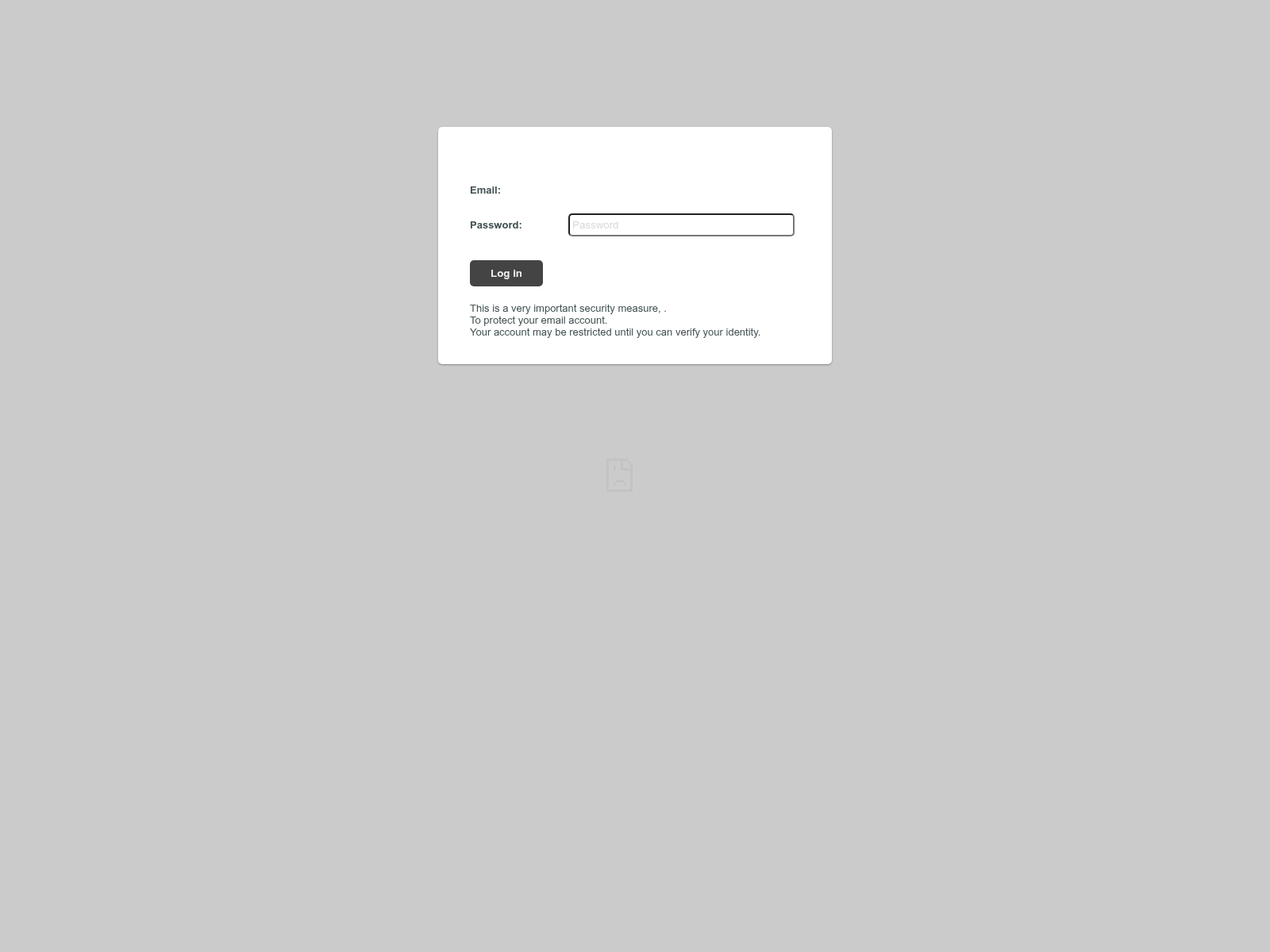
Vérifier n'importe quel domaine
Analyse des menaces à l'aide de listes de blocage stockées, de WHOIS, de DNS et de preuves d'analyse publique
Scanner maintenantSignaler une tentative d'hameçonnage
Signalez les domaines suspects à notre base de données des menaces — protégez la communauté
SignalerFlux d'alertes en temps réel
Rapports de phishing récents et changements de disponibilité observés
SurveillerRestez informés, restez en sécurité
Surveillez les menaces en temps réel ou signalez cette alerte si vous pensez qu'il s'agit d'un faux positif