VirusTotal
11 / 91
Denunciar


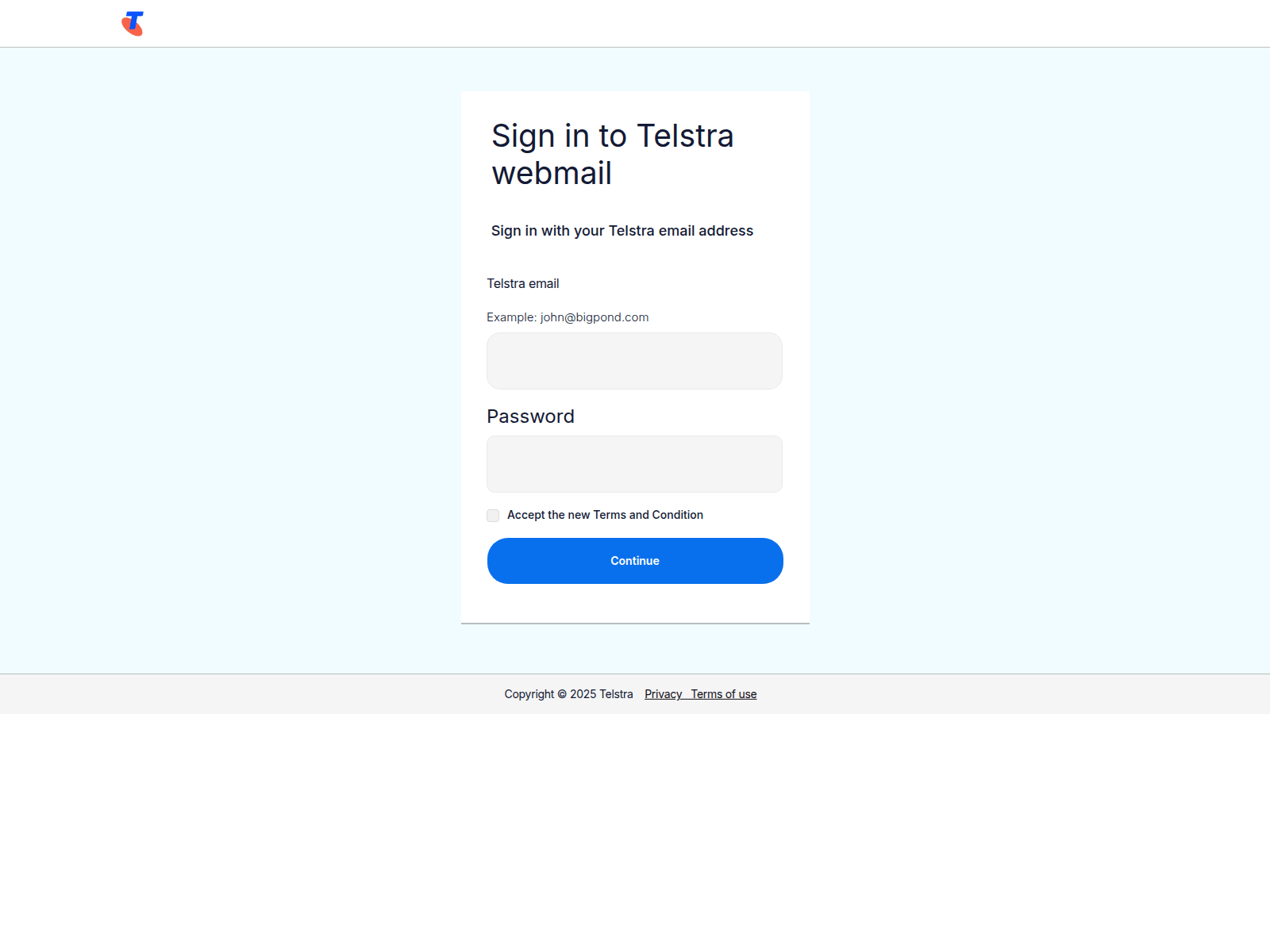
“Sign in with your Telstra ID”
telstrasystemreactivation.framer.website — Contenido no disponible (HTTP 404). Suplantación de marca: Telstra; Tipo de estafa: Credential Phishing. Resumen de las pruebas: VirusTotal 11/91 (ADMINUSLabs, alphaMountain.ai, Chong Lua Dao, ESET, Forcepoint ThreatSeeker); URLQuery 100 det.; URLScan malicious verdict; CF Radar malicious; PhishDestroy score 100/100. Registrador: CSC.
El análisis detallado de PhishDestroy AI se mantiene en inglés para conservar el registro forense original.

Analysis as of 23 July 2026 confirms that telstrasystemreactivation.framer.website is being used for credential phishing targeting Telstra customers. The domain was registered on 19 November 2021 through CSC Corporate Domains, Inc. and resolves to the Amazon‑owned address 52.223.52.2 (AS16509, United States). A Let's Encrypt certificate (E7) is active, and the site presents the title “Sign in with your Telstra ID”, indicating a direct attempt to harvest Telstra credentials. HTTP requests return a 404 status, and the site has been taken offline, but evidence from security feeds shows it was previously reachable.
The hosting stack includes Framer Sites, React, HSTS and HTTP/3, consistent with a modern templated phishing kit. The domain appears on one external blocklist and has been flagged by PhishDestroy. VirusTotal scans reported 12 of 93 security vendors labeling the domain as malicious. Nameservers are ns-1243.awsdns-27.org, ns-1818.awsdns-35.co.uk, ns-336.awsdns-42.com and ns-792.awsdns, confirming use of AWS DNS services.
Uncertainty remains regarding any additional payloads or redirects that may have been delivered before takedown, as the live content is no longer accessible for forensic capture. Defenders should immediately block the domain and the associated IP address, add the domain to internal phishing blocklists, and monitor for other subdomains hosted on the same AWS infrastructure that employ Framer or React templates. Continuous re‑scanning of the IP range and observation of new TLS certificates issued by Let's Encrypt for similar naming patterns are recommended to detect re‑use of the infrastructure.
Observaciones almacenadas de rastreadores frente a navegadores para este servidor, además de una comprobación en tiempo real de la huella digital para sistemas de distribución de tráfico al estilo Keitaro.
Framer/af6a429Nota del escáner: hosting_placeholder: raw=placeholder; http=404; via=https_proxy; server=Framer/af6a429
 (US)
(US)
ns-1243.awsdns-27.orgns-1818.awsdns-35.co.ukns-336.awsdns-42.comns-792.awsdns-35.netLocation describes the IP network.
b3445573cc07ede57a843d22babf8e3b977a95a08dd21a6706de7226e732d6ceSaved certificate metadata. Certificate dates without a timezone are shown as stored. Transport encryption does not establish that the site is trustworthy.
17 recorded events. These records describe collected evidence, outgoing notifications and publication; they do not confirm a complete investigation or a takedown.
We scan suspicious URLs, inspect public results and send evidence through the appropriate abuse-reporting channels. The dated events above show what is recorded for this domain. The directory below explains the wider workflow.
Capture the rendered page, requests and visible infrastructure.
Compare the available engine results and retain the analysis timestamp.
Check whether Google currently lists the URL as unsafe.
Inspect a public scan and its recorded network and classification data.
Look for indicator references and related community intelligence.
Compare archived captures and preserve historical context.
Look for matching indicators and associated threat records.
Inspect certificate records and related hostnames.
Compare security resolver responses and record observed blocking.
Inspect the public DNS, TLS, HTTP and technology surface.
Security services used for scanning, reputation checks and reporting are listed below. A service being listed is not evidence that it received, accepted or acted on this particular domain. Recorded submissions appear in the notification history above.
Reportado por 1 miembro de la comunidad; visto por primera vez el 31/12/2025
Si ingresó credenciales de cuenta, información personal o de pago, o descargó un archivo de este dominio, tome medidas inmediatas. A continuación encontrará recursos que le ayudarán a informar el incidente y protegerse.


Seleccione su país para obtener contactos oficiales de cibercrimen o crear un borrador de queja →.
Template-based draft · optional AI wording assistance requires separate consent
Cada línea representa un motivo por el que un dominio está vinculado a este servidor. El tamaño de los nodos indica las detecciones de VirusTotal y los nodos con línea discontinua ya están fuera de línea. A continuación se incluyen las listas completas.
El mismo hash del favicon o el mismo título de página que este servidor.
Esta IP de origen aloja múltiples dominios de phishing; la infraestructura puede compartirse entre campañas.
Estos dominios también se dirigen a los usuarios de Telstra. Ver todas las amenazas de «Telstra» →
Registrados a través del mismo proveedor de registro. Un proveedor de registro presta servicio a millones de clientes que no tienen relación entre sí, por lo que este dato solo agrupa los registros, en lugar de demostrar que exista un vínculo.
Análisis de amenazas utilizando listas de bloqueo almacenadas, WHOIS, DNS y evidencia de escaneo público
Escanear ahoraEnvía los dominios sospechosos a nuestra base de datos de amenazas: protege a la comunidad
DenunciarInformes de phishing recientes y cambios de disponibilidad observados
MonitorizarSupervisa las amenazas en tiempo real o impugna esta entrada si crees que se trata de un falso positivo.