 ChainPatrol
 Web-Check
  SOCRadar
  LeakIX
IC3 del FBI
Denunciar delitos cometidos a través de Internet en los Estados Unidos
Federal tips line1-800-CALL-FBI

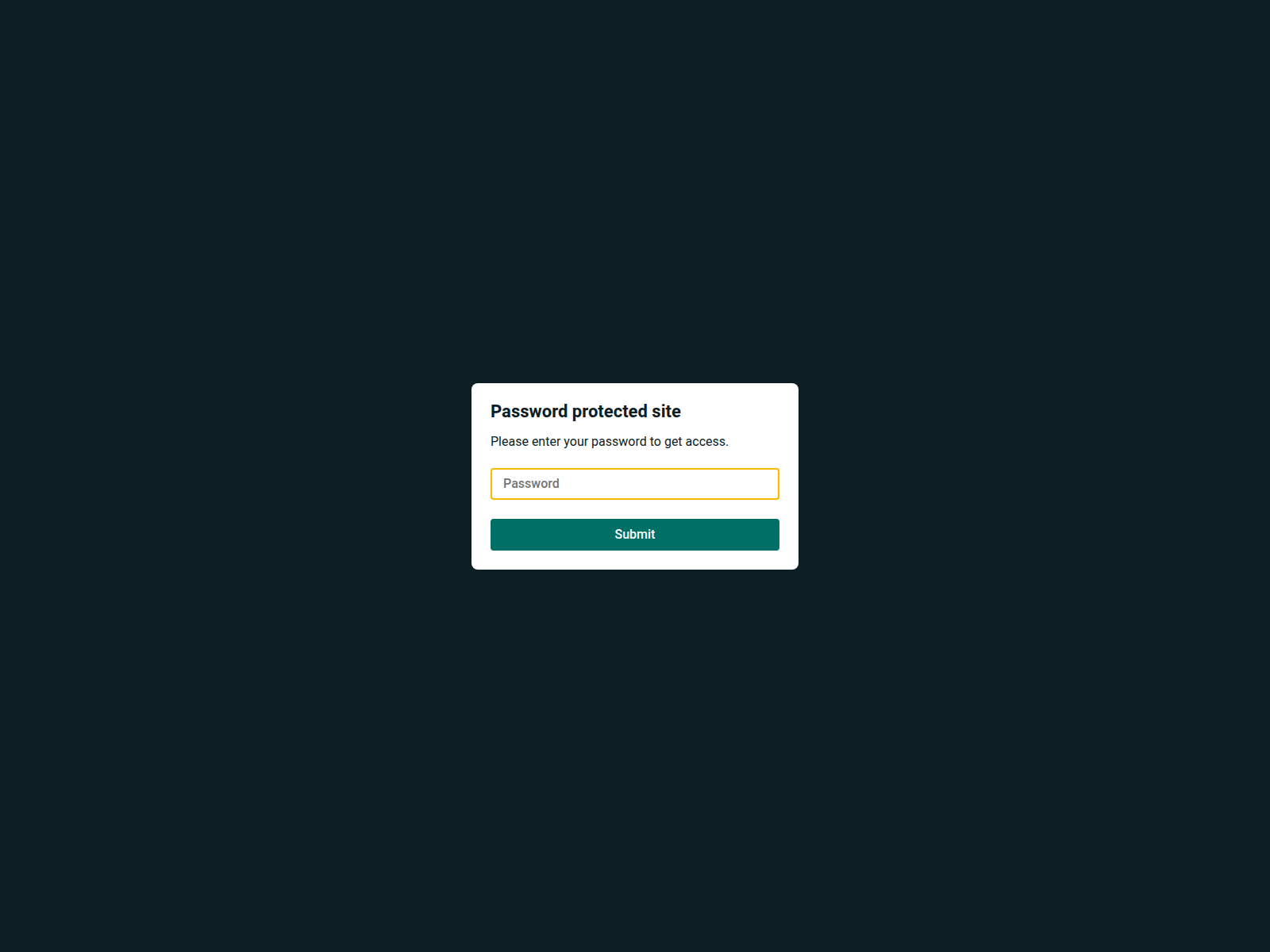
“Password Protection”
tdj-rig-usf-swt-tss-wcs-amfu.netlify.app — Contenido no disponible. Tipo de estafa: Credential Phishing. Resumen de las pruebas: VirusTotal 13/94 (ADMINUSLabs, ChainPatrol, alphaMountain.ai, Chong Lua Dao, CyRadar); URLQuery 1 alert; 2 external blocklist matches (MetaMask, SEAL); PhishDestroy score 94/100. Registrador: Netlify.
El análisis detallado de PhishDestroy AI se mantiene en inglés para conservar el registro forense original.
This domain is flagged as a high-risk generic phishing threat designed to harvest credentials through a deceptive password protection interface. Analysis indicates the site mimics authentication portals to trick users into submitting sensitive login details, which are then exfiltrated to attacker-controlled infrastructure. The specific threat type involves a fake login mechanism, commonly used in credential theft campaigns targeting both corporate and personal accounts. Infrastructure analysis reveals multiple high-confidence indicators of compromise. The domain, registered through Netlify, resolves to IP address 63.176.8.218, hosted on AWS EC2 in the eu-central-1 region (Germany). The SSL certificate is issued by DigiCert Inc under the DigiCert Global G2 TLS RSA SHA256 2020 CA1 chain, a common but abused authority in phishing operations. The domain was created on March 22, 2026, an anomalous future date suggesting potential spoofing or misconfiguration. Detection engines flagged the domain on VirusTotal with 13 out of 95 security vendors marking it as malicious. Three independent security blocklists—PhishDestroy, MetaMask, and SEAL—have actively blocked this domain, reinforcing its classification as a confirmed phishing resource. The page title, 'Password Protection,' further corroborates the credential harvesting intent. Mitigation requires immediate action to prevent credential exposure. Users who may have interacted with this domain should invalidate any entered credentials across all platforms, particularly if password reuse is suspected. Network administrators are advised to block the domain and its resolving IP (63.176.8.218) at the perimeter firewall or DNS level. Security teams should monitor for outbound connections to the domain or IP in logs, as such activity may indicate successful phishing attempts. Given the domain's active status and high detection rate, organizations should treat any access attempts as potential security incidents and initiate appropriate response protocols, including user awareness training on recognizing fake login portals.

| Detection System | Indicator | Verdict | Alert |
|---|---|---|---|
| Quad9 DNS | tdj-rig-usf-swt-tss-wcs-amfu.netlify.app |
malicious | Sinkholed |
 (US)
(US)
 Frankfurt am Main, DE
Platform for deploying and hosting modern web applications.
HTTP Strict Transport Security — forces browsers to use HTTPS connections only.
Google PageSpeed Insights — mobile performance audit of tdj-rig-usf-swt-tss-wcs-amfu.netlify.app · checked Mar 21, 2026
Si ingresó credenciales de cuenta, información personal o de pago, o descargó un archivo de este dominio, tome medidas inmediatas. A continuación encontrará recursos que le ayudarán a informar el incidente y protegerse.


Seleccione su país para obtener contactos oficiales de cibercrimen o crear un borrador de queja →.
Estos informes se resuelven en la misma IP perimetral compartida. Ayudan a descubrir informes, pero no implican una propiedad común ni un servidor de origen compartido.
Informes agregados recientemente de la base de datos PhishDestroy. Estos enlaces de descubrimiento no implican infraestructura ni propiedad compartida.
Análisis de amenazas utilizando listas de bloqueo almacenadas, WHOIS, DNS y evidencia de escaneo público
Escanear ahoraEnvía los dominios sospechosos a nuestra base de datos de amenazas: protege a la comunidad
DenunciarInformes de phishing recientes y cambios de disponibilidad observados
MonitorizarSupervisa las amenazas en tiempo real o impugna esta entrada si crees que se trata de un falso positivo.
 bet365koreasite.com