
 ChainPatrol
 Web-Check
  SOCRadar
  LeakIX
IC3 del FBI
Denunciar delitos cometidos a través de Internet en los Estados Unidos
Federal tips line1-800-CALL-FBI
The sent-report ledger records the first outgoing report at .
The recorded recipient is complaint@gname.com.
The latest stored availability evidence still shows the domain reachable; 6 months has elapsed since the first outgoing report.
ICANN RAA §3.18 describes registrar abuse-contact and handling obligations. This section records outgoing timestamps, listed recipients, case identifiers, and later availability. It does not by itself prove receipt, acknowledgement, investigation, remediation, or contractual non-compliance.

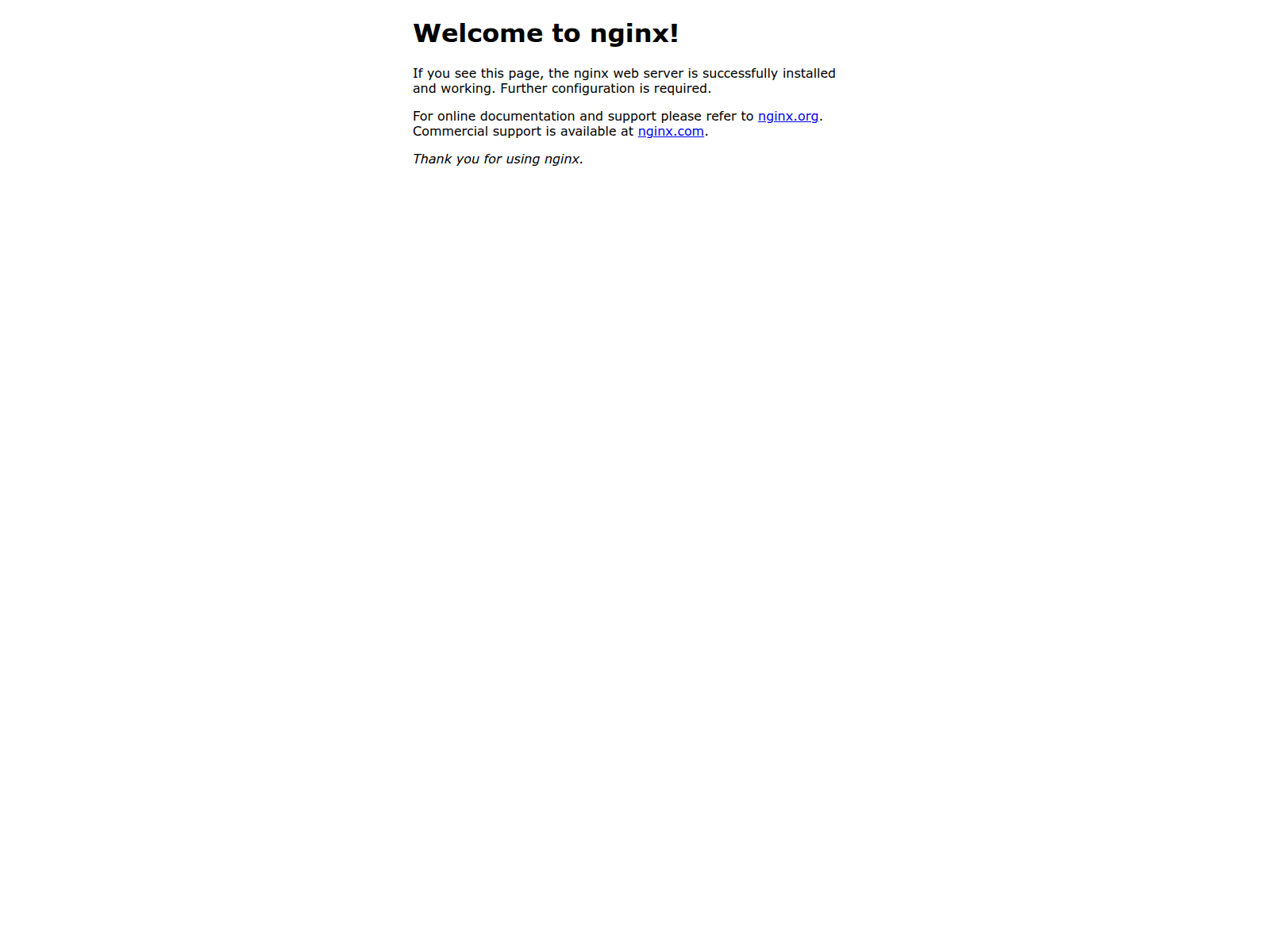
“Welcome to nginx!”
t-mobile.wopqf.cc — No verificado. Tipo de estafa: Credential Phishing. Resumen de las pruebas: VirusTotal 16/91 (ADMINUSLabs, Criminal IP, BitDefender, Chong Lua Dao, CyRadar); URLQuery 3 alerts; CF Radar malicious; PhishDestroy score 95/100. Registrador: Gname.
El análisis detallado de PhishDestroy AI se mantiene en inglés para conservar el registro forense original.
This domain is flagged as an elevated-risk brand impersonation threat designed to deceive users into disclosing authentication credentials for X.com. Analysis indicates the site mimics legitimate login portals to harvest usernames, passwords, and potentially multi-factor authentication tokens through fraudulent input forms. The infrastructure and registration patterns align with known credential phishing campaigns targeting social media platforms. Infrastructure analysis reveals the domain t-mobile.wopqf.cc was registered on February 21, 2026, through Gname.com Pte. Ltd., a registrar frequently associated with abusive registrations. It resolves to the IP address 104.21.85.237, a Cloudflare proxy endpoint commonly exploited to conceal malicious origin servers. The domain appears on one security blocklist and is flagged by 17 out of 95 security vendors on VirusTotal, including detections for phishing and brand impersonation. The SSL certificate, issued by Google Trust Services (WE1), provides encryption but does not validate legitimacy. The observed page title, 'Welcome to nginx!', suggests either misconfigured server defaults or deliberate obfuscation of malicious content. Mitigation requires immediate user awareness and technical controls. Users should verify domain authenticity by inspecting URLs for subtle misspellings or unusual subdomains before entering credentials. Organizations should implement email and web filtering to block known malicious domains and IPs, particularly those registered through high-risk registrars. Security teams should monitor for connections to 104.21.85.237 and similar proxy endpoints in network logs. Credential-based authentication systems should enforce phishing-resistant multi-factor authentication methods to reduce the impact of stolen credentials. If exposure is suspected, affected accounts should be locked, credentials reset, and activity reviewed for unauthorized access.

| Detection System | Indicator | Verdict | Alert |
|---|---|---|---|
| OpenDNS | t-mobile.wopqf.cc |
phishing | Phishing Block |
| Hagezi Threat Feed | t-mobile.wopqf.cc |
malicious | Sinkholed |
| DNS4EU | t-mobile.wopqf.cc |
malicious | Sinkholed |
 (SG)
(SG)
 San Francisco, US
Web infrastructure and security company providing CDN, DDoS mitigation, and DNS services.
www.cloudflare.comThird major version of HTTP protocol, built on QUIC for faster, more reliable connections.
PD-20260202-FFC412 Recipient: complaint@gname.com Si ingresó credenciales de cuenta, información personal o de pago, o descargó un archivo de este dominio, tome medidas inmediatas. A continuación encontrará recursos que le ayudarán a informar el incidente y protegerse.


Seleccione su país para obtener contactos oficiales de cibercrimen o crear un borrador de queja →.
Estos informes se resuelven en la misma IP perimetral compartida. Ayudan a descubrir informes, pero no implican una propiedad común ni un servidor de origen compartido.
Informes agregados recientemente de la base de datos PhishDestroy. Estos enlaces de descubrimiento no implican infraestructura ni propiedad compartida.
Análisis de amenazas utilizando listas de bloqueo almacenadas, WHOIS, DNS y evidencia de escaneo público
Escanear ahoraEnvía los dominios sospechosos a nuestra base de datos de amenazas: protege a la comunidad
DenunciarInformes de phishing recientes y cambios de disponibilidad observados
MonitorizarSupervisa las amenazas en tiempo real o impugna esta entrada si crees que se trata de un falso positivo.
 mhvqol.shop
  fnlockers.cc
  cnear.com
  f230q.xyz
  terbolox.org
  quiz-amazon.shop
  mrbeastgift.com