 ChainPatrol
 Web-Check
  SOCRadar
  LeakIX
IC3 del FBI
Denunciar delitos cometidos a través de Internet en los Estados Unidos
Federal tips line1-800-CALL-FBI

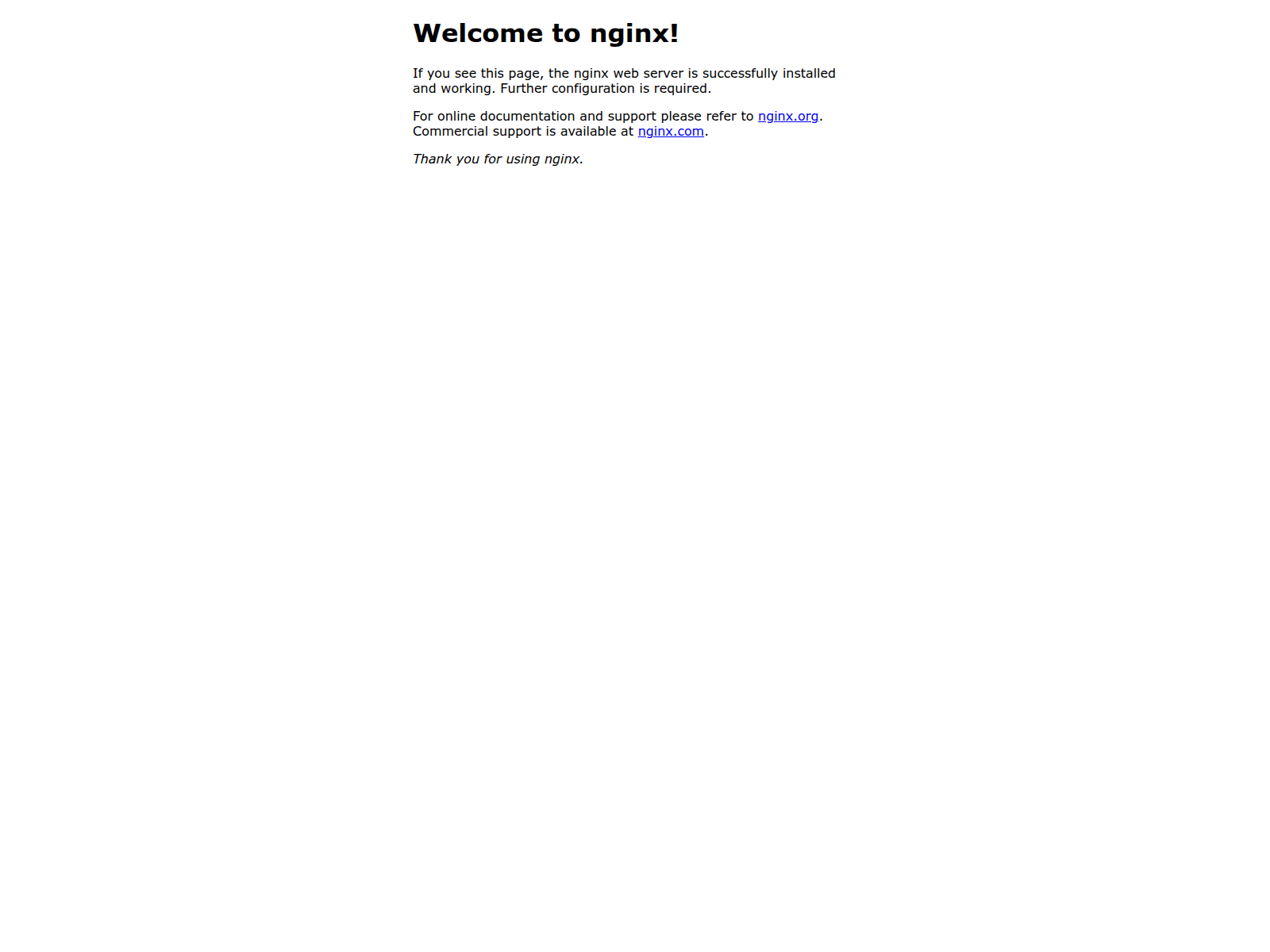
“Welcome to nginx!”
t-mobile.viflcbv.cc — Contenido no disponible (HTTP 502). Resumen de las pruebas: VirusTotal 18/95 (ADMINUSLabs, BitDefender, Chong Lua Dao, Cluster25, CRDF); Spamhaus DBL_PHISH; PhishDestroy score 95/100.
El análisis detallado de PhishDestroy AI se mantiene en inglés para conservar el registro forense original.
This domain, t-mobile.viflcbv.cc, is flagged as a brand impersonation phishing site designed to mimic X.com (formerly Twitter). Analysis indicates the threat type involves fraudulent login pages or credential harvesting, though no specific drainer kit signatures were identified in initial scans. The domain leverages the T-Mobile brand name in its subdomain structure to enhance credibility, a common tactic in phishing campaigns targeting social media platforms. The page title 'Welcome to nginx!' suggests a misconfigured or placeholder server, which may indicate either an incomplete setup or an attempt to evade detection by security tools. Technical indicators reveal the domain was created on February 21, 2026, an anomalous future date likely resulting from registrar data manipulation or a typo. It resolves to the IPv6 address 2606:4700:3030::6815:1ad9, hosted on Cloudflare's infrastructure (AS13335). VirusTotal reports 18 out of 95 security vendors flagging the domain as malicious, while it appears on one security blocklist. The SSL certificate is issued by WE1, a provider often associated with low-cost or automated certificate issuance. No Google Safe Browsing (GSB) detections were recorded at the time of analysis, though this may reflect a lag in GSB's detection pipeline rather than an absence of malicious activity. The domain is currently offline, likely taken down due to detection by security blocklists or manual intervention. However, residual risk remains for users who may have interacted with the site prior to takedown, particularly if credentials were entered or malicious payloads were delivered. Infrastructure analysis reveals the use of Cloudflare, which can obscure hosting details and complicate attribution. Organizations and users are advised to block the domain and associated IP address at the network level, monitor for credential reuse, and conduct password resets for any accounts potentially exposed. Future monitoring of the registrar and certificate provider may reveal additional related domains, as threat actors often reuse infrastructure across campaigns.

 San Francisco, US
Si ingresó credenciales de cuenta, información personal o de pago, o descargó un archivo de este dominio, tome medidas inmediatas. A continuación encontrará recursos que le ayudarán a informar el incidente y protegerse.


Seleccione su país para obtener contactos oficiales de cibercrimen o crear un borrador de queja →.
Informes agregados recientemente de la base de datos PhishDestroy. Estos enlaces de descubrimiento no implican infraestructura ni propiedad compartida.
Análisis de amenazas utilizando listas de bloqueo almacenadas, WHOIS, DNS y evidencia de escaneo público
Escanear ahoraEnvía los dominios sospechosos a nuestra base de datos de amenazas: protege a la comunidad
DenunciarInformes de phishing recientes y cambios de disponibilidad observados
MonitorizarSupervisa las amenazas en tiempo real o impugna esta entrada si crees que se trata de un falso positivo.
 terbolox.org
  quiz-amazon.shop
  mrbeastgift.com