mxhaisyx.us.cc
  rainbowmoon.cc
  moonshot-listing-yhy.netlify.app
  votes-firelight.info
IC3 del FBI
Denunciar delitos cometidos a través de Internet en los Estados Unidos
Federal tips line1-800-CALL-FBI
The sent-report ledger records the first outgoing report at . A report was sent to the recorded registrar; contact details remain in Domain Intelligence. The latest stored availability evidence still shows the domain reachable; 6 months has elapsed since the first outgoing report.
ICANN RAA §3.18 describes registrar abuse-contact and handling obligations. This section records outgoing timestamps and later availability. It does not by itself prove receipt, acknowledgement, investigation, remediation, or contractual non-compliance.

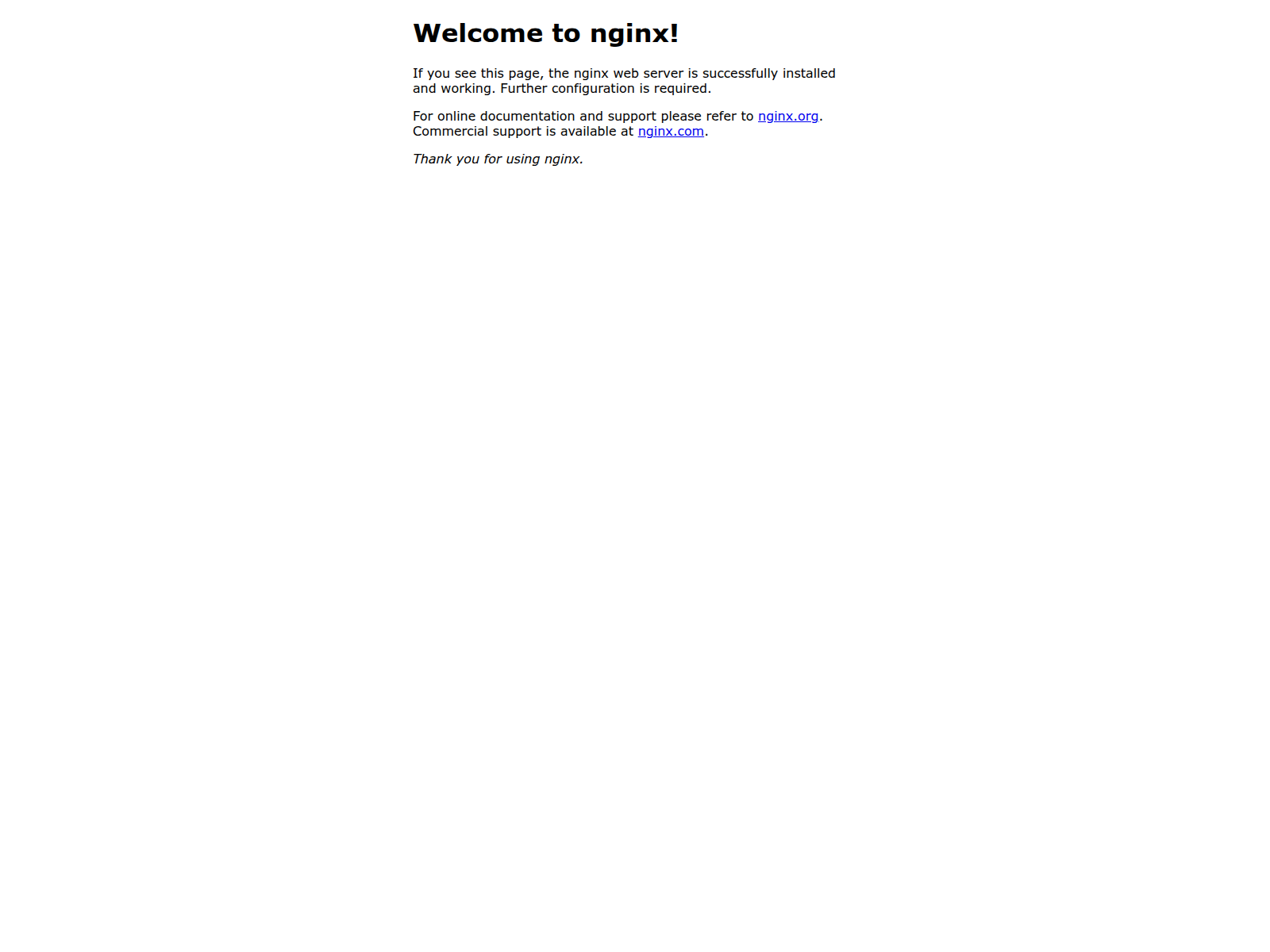
“Welcome to nginx!”
Observación almacenada
This domain is flagged as an elevated-risk brand impersonation threat designed to deceive users of X.com. Analysis indicates the infrastructure is specifically engineered to mimic the legitimate platform, likely for credential theft or unauthorized account access. The domain exhibits multiple indicators of malicious intent, including its recent creation and association with known phishing tactics. Infrastructure analysis reveals the domain t-mobile.mvbgp.cc was registered on January 28, 2026, through Gname.com Pte. Ltd. It resolves to the IP address 172.67.192.25, hosted on Cloudflare’s network (AS13335). The SSL certificate is issued by Google Trust Services (WE1), a common tactic to lend superficial legitimacy. Security vendors on VirusTotal flagged the domain 16 out of 95 times, and it appears on at least one security blocklist, specifically PhishDestroy. The page title, 'Welcome to nginx!', suggests a generic or misconfigured server setup, often seen in hastily deployed phishing infrastructure. Mitigation steps for this brand impersonation threat include immediately blocking the domain and its associated IP address across network security controls. Users who may have interacted with the domain should reset credentials for X.com and any linked accounts, particularly if multi-factor authentication was not enabled. Security teams should monitor for additional domains registered through the same registrar or resolving to the same IP range, as threat actors frequently reuse infrastructure. Organizations should also educate users on identifying brand impersonation tactics, such as scrutinizing domain names for slight misspellings or unusual subdomains.
PD-20260202-722A5D
10 fuentes externas supervisadas · instantánea del 12/08/2026
Análisis de Cloudflare Radar almacenado · Abrir análisis
Accesible → Inaccesible
Análisis de Cloudflare Radar almacenado · Abrir análisis
Accesible → Inaccesible
Inaccesible → Accesible
Accesible → Inaccesible
Inaccesible → Accesible
 (SG)
(SG)
 San Francisco, US
2 tecnologías identificadas con alta confianza
Google PageSpeed Insights — mobile performance audit of t-mobile.mvbgp.cc · checked Apr 23, 2026
Informes agregados recientemente de la base de datos PhishDestroy. Estos enlaces de descubrimiento no implican infraestructura ni propiedad compartida.
Si ingresó credenciales de cuenta, información personal o de pago, o descargó un archivo de este dominio, tome medidas inmediatas. A continuación encontrará recursos que le ayudarán a informar el incidente y protegerse.


Seleccione su país para obtener contactos oficiales de cibercrimen o crear un borrador de queja →.
Análisis de amenazas utilizando listas de bloqueo almacenadas, WHOIS, DNS y evidencia de escaneo público
Escanear ahoraEnvía los dominios sospechosos a nuestra base de datos de amenazas: protege a la comunidad
DenunciarInformes de phishing recientes y cambios de disponibilidad observados
MonitorizarSupervisa las amenazas en tiempo real o impugna esta entrada si crees que se trata de un falso positivo.