letsvpn-ai.com
  tronoscan.org
  betmexicocasinos.mx
  meihsue.us.cc
  trust-aml.org
IC3 del FBI
Denunciar delitos cometidos a través de Internet en los Estados Unidos
Federal tips line1-800-CALL-FBI

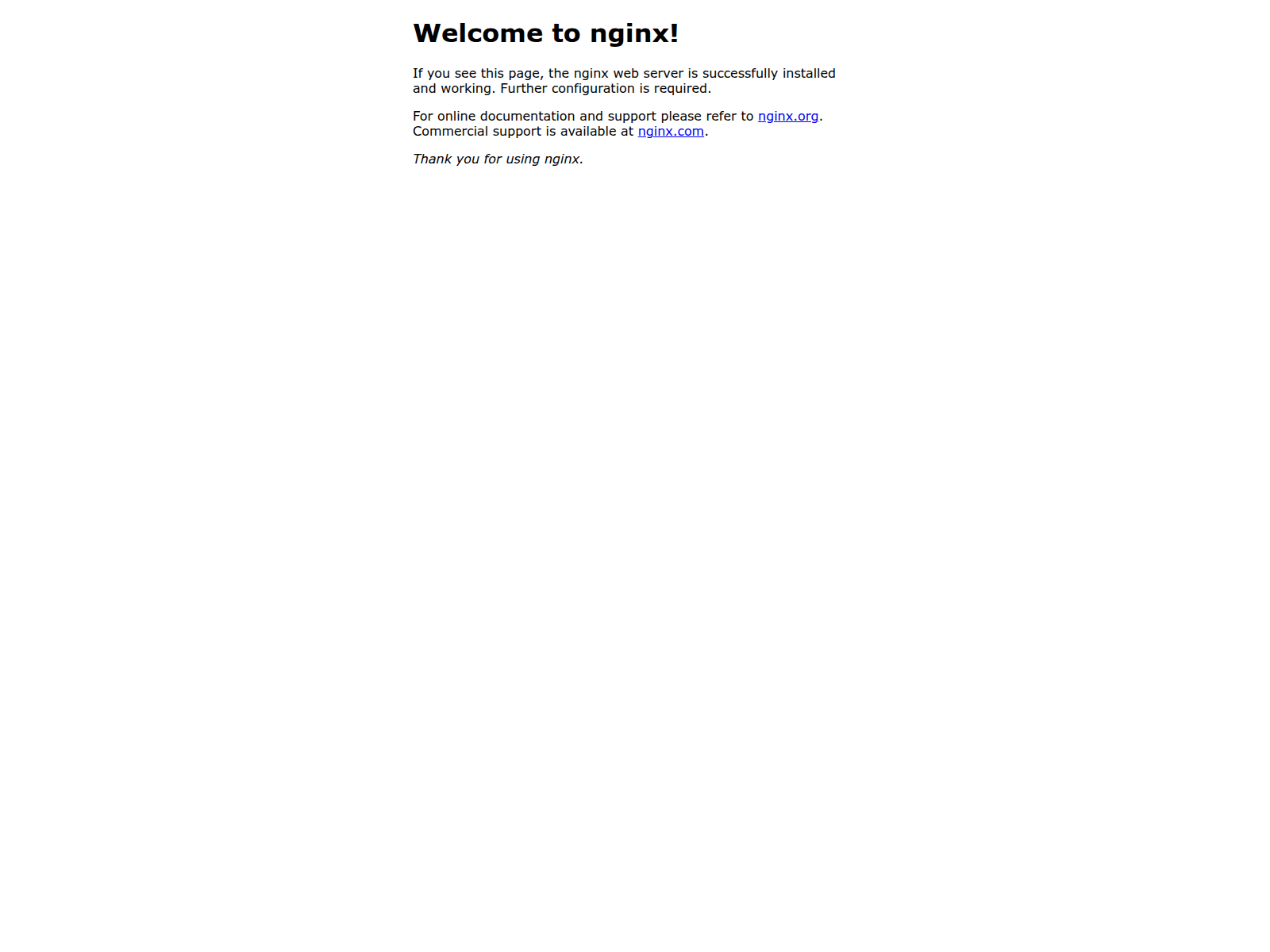
“Welcome to nginx!”
This domain is flagged for elevated-risk brand impersonation, specifically targeting users of the social media platform X.com. Analysis indicates the domain t-mobile.hsxtb.cc was designed to mimic legitimate login portals, likely to harvest user credentials through deceptive input forms. The threat type—brand impersonation—is confirmed by the domain's structural resemblance to official branding and its association with known phishing tactics targeting high-profile platforms. Infrastructure analysis reveals the domain was registered through Gname.com Pte. Ltd. on February 21, 2026, an unusually future-dated creation that may indicate an attempt to evade detection or exploit registration loopholes. It resolves to the IP address 172.67.209.91, hosted on AS13335 (Cloudflare, Inc.) in the United States, a common proxy service used to obscure malicious origins. The domain lacks an SSL certificate, a red flag for secure communications, and displays a default "Welcome to nginx!" page, suggesting incomplete deployment or rapid takedown. Detection metrics show 17 out of 95 security vendors on VirusTotal flagged the domain as malicious, while it appears on one security blocklist, specifically PhishDestroy. No additional trust scores or historical reputation data are available, further limiting its legitimacy. Mitigation steps for this threat type include immediate blocking of the domain and its associated IP (172.67.209.91) at the network perimeter. Organizations should deploy email and web filtering rules to prevent users from accessing t-mobile.hsxtb.cc or any subdomains. End-users should be educated on recognizing brand impersonation tactics, particularly the absence of SSL indicators (e.g., "https://") and mismatched domain names. Incident response teams should monitor for credential reuse attempts, as harvested data may be leveraged in follow-up attacks. Given the domain's current offline status, continuous monitoring for re-emergence or similar infrastructure (e.g., same registrar or IP range) is recommended.
PD-20260125-1EF4AF
| Detection System | Indicator | Verdict | Alert |
|---|---|---|---|
| Quad9 DNS | t-mobile.hsxtb.cc |
malicious | Sinkholed |
| OpenDNS | t-mobile.hsxtb.cc |
phishing | Phishing Block |
| Hagezi Threat Feed | t-mobile.hsxtb.cc |
malicious | Sinkholed |
| DNS4EU | t-mobile.hsxtb.cc |
malicious | Sinkholed |
10 fuentes externas supervisadas · instantánea del 12/08/2026
Análisis de Cloudflare Radar almacenado · Abrir análisis
 (SG)
(SG)
 San Francisco, US
Informes agregados recientemente de la base de datos PhishDestroy. Estos enlaces de descubrimiento no implican infraestructura ni propiedad compartida.
Si ingresó credenciales de cuenta, información personal o de pago, o descargó un archivo de este dominio, tome medidas inmediatas. A continuación encontrará recursos que le ayudarán a informar el incidente y protegerse.


Seleccione su país para obtener contactos oficiales de cibercrimen o crear un borrador de queja →.
Análisis de amenazas utilizando listas de bloqueo almacenadas, WHOIS, DNS y evidencia de escaneo público
Escanear ahoraEnvía los dominios sospechosos a nuestra base de datos de amenazas: protege a la comunidad
DenunciarInformes de phishing recientes y cambios de disponibilidad observados
MonitorizarSupervisa las amenazas en tiempo real o impugna esta entrada si crees que se trata de un falso positivo.