ChainPatrol
 Web-Check
  SOCRadar
  LeakIX
IC3 del FBI
Denunciar delitos cometidos a través de Internet en los Estados Unidos
Federal tips line1-800-CALL-FBI

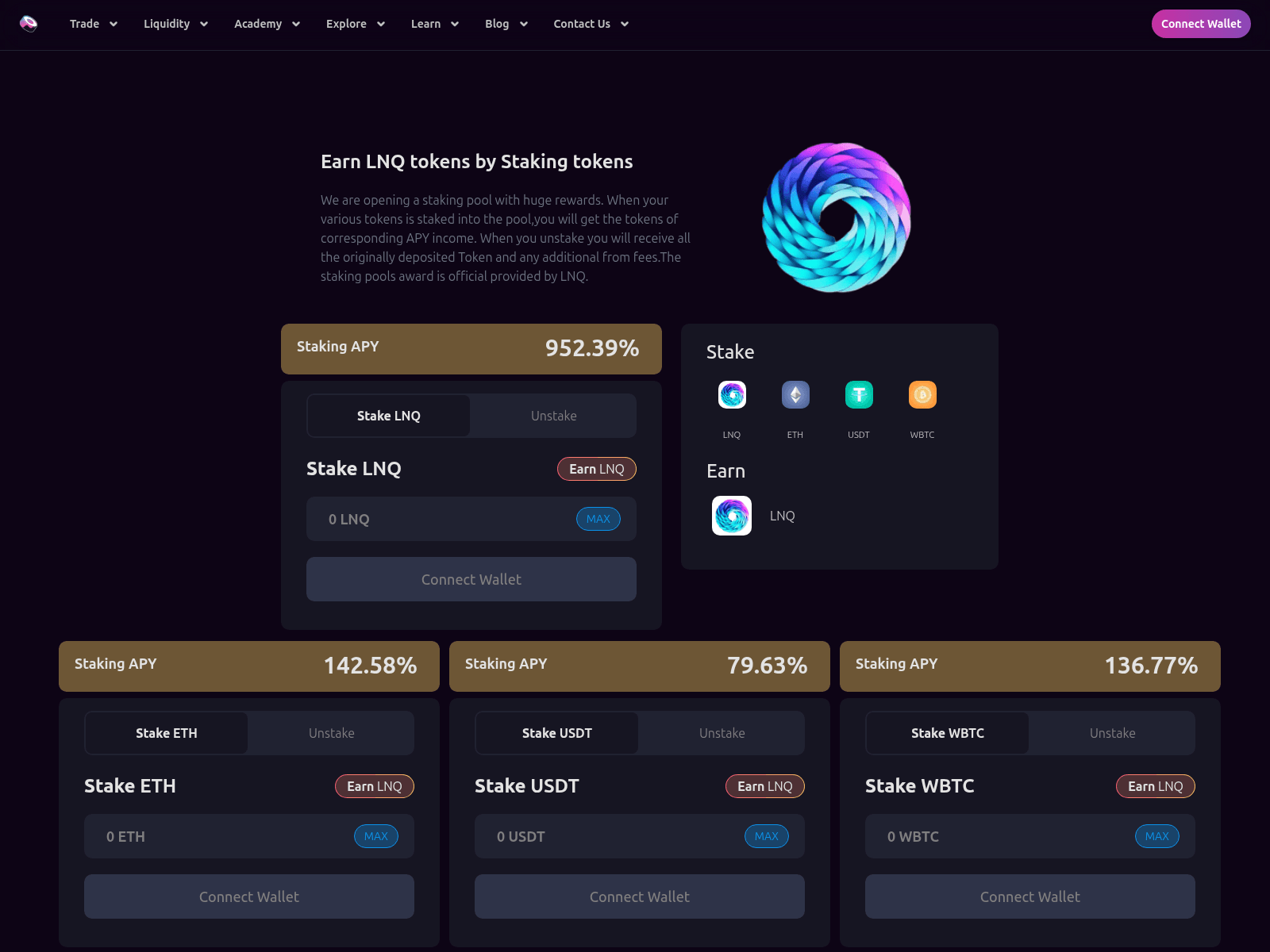
“Stake SUSHI | Sushi”
sushi-lnq.top — Contenido no disponible (HTTP 502). Suplantación de marca: SushiSwap; Tipo de estafa: Crypto Scam. Resumen de las pruebas: VirusTotal 8/93 (alphaMountain.ai, BitDefender, CyRadar, Fortinet, G-Data); 3 external blocklist matches (Polkadot, Enkrypt, Codeesura); PhishDestroy score 79/100.
El análisis detallado de PhishDestroy AI se mantiene en inglés para conservar el registro forense original.
This domain is flagged as an elevated-risk crypto drainer specifically targeting users of the decentralized exchange SushiSwap. Analysis indicates the infrastructure is designed to impersonate legitimate staking interfaces, tricking victims into connecting wallets and authorizing malicious transactions that siphon funds without consent. The threat type is classified as brand impersonation with embedded crypto-draining functionality, a common tactic in decentralized finance (DeFi) scams. Infrastructure analysis reveals the domain sushi-lnq.top was registered on February 21, 2026, and resolves to the IP address 107.172.83.150, hosted on AS36352 (HostPapa) in the United States. The SSL certificate is issued under the R11 root, a detail often associated with low-reputation or ephemeral hosting environments. The page title, 'Stake SUSHI | Sushi,' directly mimics SushiSwap’s branding, while the domain appears on four security blocklists, including PhishDestroy, Polkadot, Enkrypt, and Codeesura. VirusTotal detection rates show 8 out of 95 security vendors flagging the domain as malicious, with the current status marked as offline following takedown actions. Mitigation against this threat type requires heightened vigilance from DeFi users. Wallet connections should never be authorized on unfamiliar domains, even if the interface appears identical to legitimate platforms. Users are advised to verify domain authenticity through official project documentation or community channels before interacting with any staking or yield farming portal. Wallet software and browser extensions that block known malicious domains provide an additional layer of protection. In cases where interaction has already occurred, immediate revocation of all recent smart contract approvals is critical to prevent further unauthorized transactions. Organizations managing DeFi infrastructure should proactively monitor for newly registered domains containing their brand names and take swift action to disrupt impersonation attempts.


Si ingresó credenciales de cuenta, información personal o de pago, o descargó un archivo de este dominio, tome medidas inmediatas. A continuación encontrará recursos que le ayudarán a informar el incidente y protegerse.


Seleccione su país para obtener contactos oficiales de cibercrimen o crear un borrador de queja →.
Esta IP de origen aloja múltiples dominios de phishing; la infraestructura puede compartirse entre campañas.
These domains also target SushiSwap users. View all SushiSwap threats →
Informes agregados recientemente de la base de datos PhishDestroy. Estos enlaces de descubrimiento no implican infraestructura ni propiedad compartida.
Análisis de amenazas utilizando listas de bloqueo almacenadas, WHOIS, DNS y evidencia de escaneo público
Escanear ahoraEnvía los dominios sospechosos a nuestra base de datos de amenazas: protege a la comunidad
DenunciarInformes de phishing recientes y cambios de disponibilidad observados
MonitorizarSupervisa las amenazas en tiempo real o impugna esta entrada si crees que se trata de un falso positivo.
 shushi---cdn---swap.webflow.io