raydiumdexnetlify.world
IC3 del FBI
Denunciar delitos cometidos a través de Internet en los Estados Unidos
Federal tips line1-800-CALL-FBI

“Raydium”
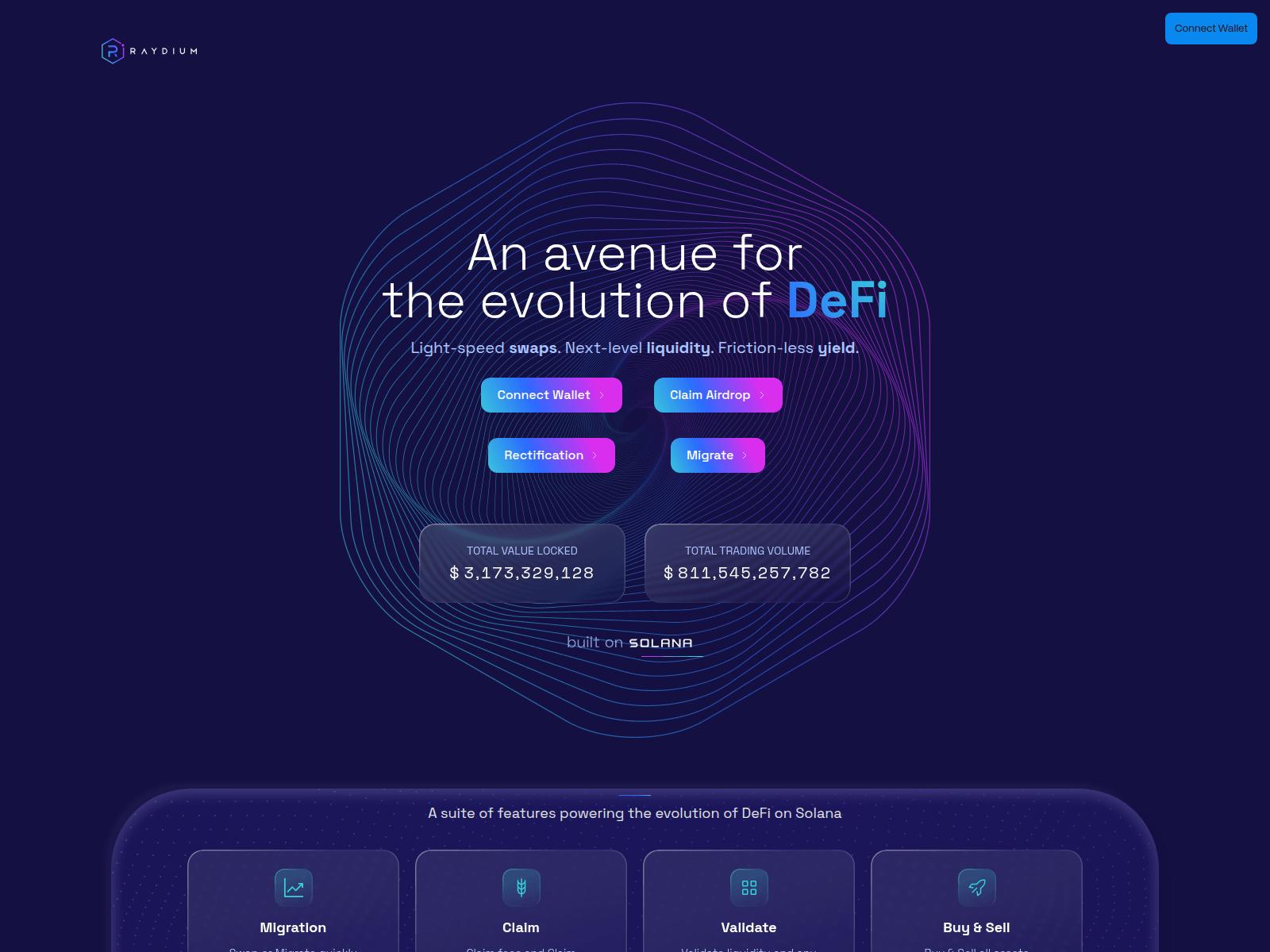
This domain is flagged as a high-risk brand impersonation threat designed to deceive users by mimicking the legitimate Raydium decentralized finance platform. Analysis indicates the domain is specifically engineered for fraudulent activities, likely involving cryptocurrency theft or credential harvesting under the guise of a trusted service. The impersonation tactic leverages visual and contextual similarities to exploit user trust, a common vector for financial fraud in decentralized ecosystems. Infrastructure analysis reveals multiple technical indicators corroborating the malicious classification. The domain multidapssfix.xyz was registered on March 01, 2026, an unusually forward-dated creation that may indicate an attempt to evade immediate detection. It resolves to the IP address 159.198.44.198, which has been associated with prior fraudulent activity. VirusTotal reports 12 out of 95 security vendors flagging the domain as malicious, while Google Safe Browsing classifies it under SOCIAL_ENGINEERING. The domain appears on four independent security blocklists, including MetaMask, PhishDestroy, SEAL, and ScamSniffer. The page title, Raydium, further confirms the intent to impersonate the legitimate platform, and the domain is currently offline, potentially due to enforcement actions or takedown efforts. Mitigation against this type of brand impersonation threat requires a multi-layered approach. Users should verify domain authenticity by cross-referencing official communications from the legitimate service, particularly for decentralized finance platforms where phishing risks are elevated. Security teams are advised to block the domain and its resolving IP (159.198.44.198) at the network level to prevent access. Monitoring for newly registered domains with similar naming patterns or resolving to the same infrastructure can help preempt future attacks. Additionally, deploying real-time domain reputation checks and educating users on identifying impersonation tactics—such as scrutinizing URLs, page titles, and registration dates—can reduce exposure to such threats.

10 fuentes externas supervisadas · instantánea del 12/08/2026
Análisis de Cloudflare Radar almacenado · Abrir análisis
7 → 12

Otro dominio de phishing comparte esta IP de origen: posible infraestructura compartida.
These domains also target Raydium users. View all Raydium threats →
Informes agregados recientemente de la base de datos PhishDestroy. Estos enlaces de descubrimiento no implican infraestructura ni propiedad compartida.
Si ingresó credenciales de cuenta, información personal o de pago, o descargó un archivo de este dominio, tome medidas inmediatas. A continuación encontrará recursos que le ayudarán a informar el incidente y protegerse.


Seleccione su país para obtener contactos oficiales de cibercrimen o crear un borrador de queja →.
Análisis de amenazas utilizando listas de bloqueo almacenadas, WHOIS, DNS y evidencia de escaneo público
Escanear ahoraEnvía los dominios sospechosos a nuestra base de datos de amenazas: protege a la comunidad
DenunciarInformes de phishing recientes y cambios de disponibilidad observados
MonitorizarSupervisa las amenazas en tiempo real o impugna esta entrada si crees que se trata de un falso positivo.