casino-win-unique1.com
  dex1rp.org
  www.alphatradeorbits.com
  noure.xyz
  monubank.com
  mao-stress.tech
  metamask-download.com
  help-metamaskio-docs.tem3.io
  wtnforum.net
  onion.live
  darkdotweb.com
  pulsenotch.com
  www.stores-dofus.fr
IC3 del FBI
Denunciar delitos cometidos a través de Internet en los Estados Unidos
Federal tips line1-800-CALL-FBI
The sent-report ledger records the first outgoing report at . A report was sent to the recorded registrar; contact details remain in Domain Intelligence. The latest stored availability evidence still shows the domain reachable; 5 days has elapsed since the first outgoing report.
ICANN RAA §3.18 describes registrar abuse-contact and handling obligations. This section records outgoing timestamps and later availability. It does not by itself prove receipt, acknowledgement, investigation, remediation, or contractual non-compliance.

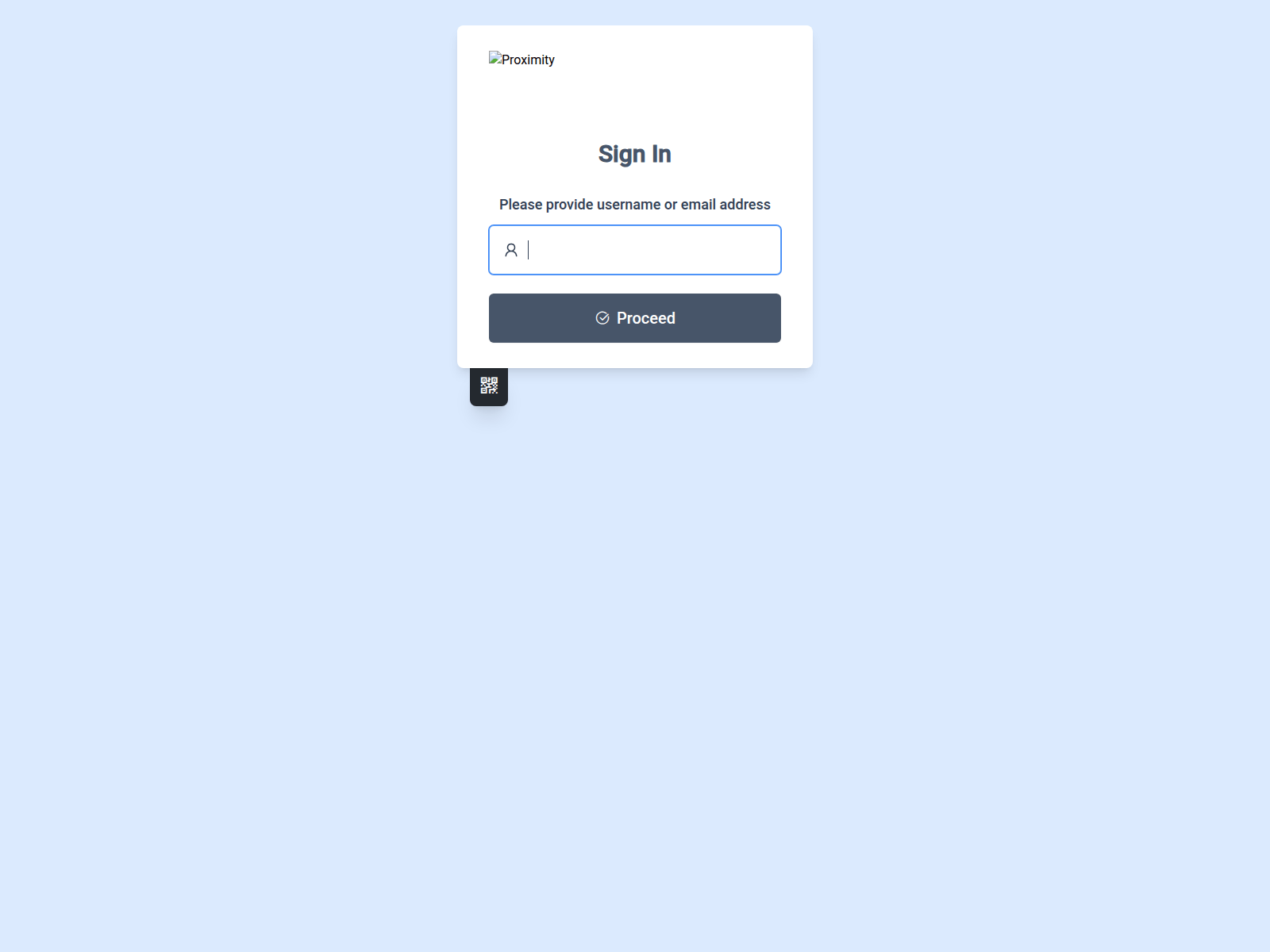
“Proximity Login - Sign In”
The domain auth.proximity.sh is currently flagged as a high‑risk generic phishing site. Investigation shows the domain resolves to the IP address 172.67.219.241, which is hosted on Cloudflare infrastructure and served by the authoritative name servers augustus.ns.cloudflare.com and tricia.ns.cloudflare.com. Registration records indicate the domain was created on 31 March 2018 and is registered through Namecheap Inc. VirusTotal reports that the domain has been scanned by 91 anti‑malware vendors; none of the vendors raised a detection at the time of analysis, though the absence of alerts does not constitute a safety guarantee.
The domain is listed on three public security blocklists and is explicitly blocked by PhishDestroy, MetaMask, and SEAL, reinforcing the consensus that the site is malicious. No public information about SSL certificate details, HTTP response codes, or page title is presently available, and no additional intelligence such as brand targeting or kit attribution has been disclosed. Given the active status and high‑risk rating, security teams should treat auth.proximity.sh as hostile.
Recommended mitigations include adding the domain and its resolving IP to network‑level deny lists, enforcing DNS sinkholing where possible, and monitoring outbound connections for attempts to reach the domain. Continuous re‑evaluation is advised, as threat actors may modify hosting or content without notice.
PD-20260805-F4AB0C
10 fuentes externas supervisadas · instantánea del 11/08/2026
Primer valor almacenado: Accesible
Accesible → Inaccesible
Inaccesible → Accesible
 (IS)
(IS)
 Toronto, CA
4 tecnologías identificadas con alta confianza
Google PageSpeed Insights — mobile performance audit of auth.proximity.sh · checked Aug 5, 2026
Estos informes se resuelven en la misma IP perimetral compartida. Ayudan a descubrir informes, pero no implican una propiedad común ni un servidor de origen compartido.
These domains also target MetaMask users. View all MetaMask threats →
Informes agregados recientemente de la base de datos PhishDestroy. Estos enlaces de descubrimiento no implican infraestructura ni propiedad compartida.
Si ingresó credenciales de cuenta, información personal o de pago, o descargó un archivo de este dominio, tome medidas inmediatas. A continuación encontrará recursos que le ayudarán a informar el incidente y protegerse.


Seleccione su país para obtener contactos oficiales de cibercrimen o crear un borrador de queja →.
Análisis de amenazas utilizando listas de bloqueo almacenadas, WHOIS, DNS y evidencia de escaneo público
Escanear ahoraEnvía los dominios sospechosos a nuestra base de datos de amenazas: protege a la comunidad
DenunciarInformes de phishing recientes y cambios de disponibilidad observados
MonitorizarSupervisa las amenazas en tiempo real o impugna esta entrada si crees que se trata de un falso positivo.